Iran Reopens Doors to Nuclear Inspectors—What It Means for Global Oil Markets
Geneva, Monday, 22 June 2026.
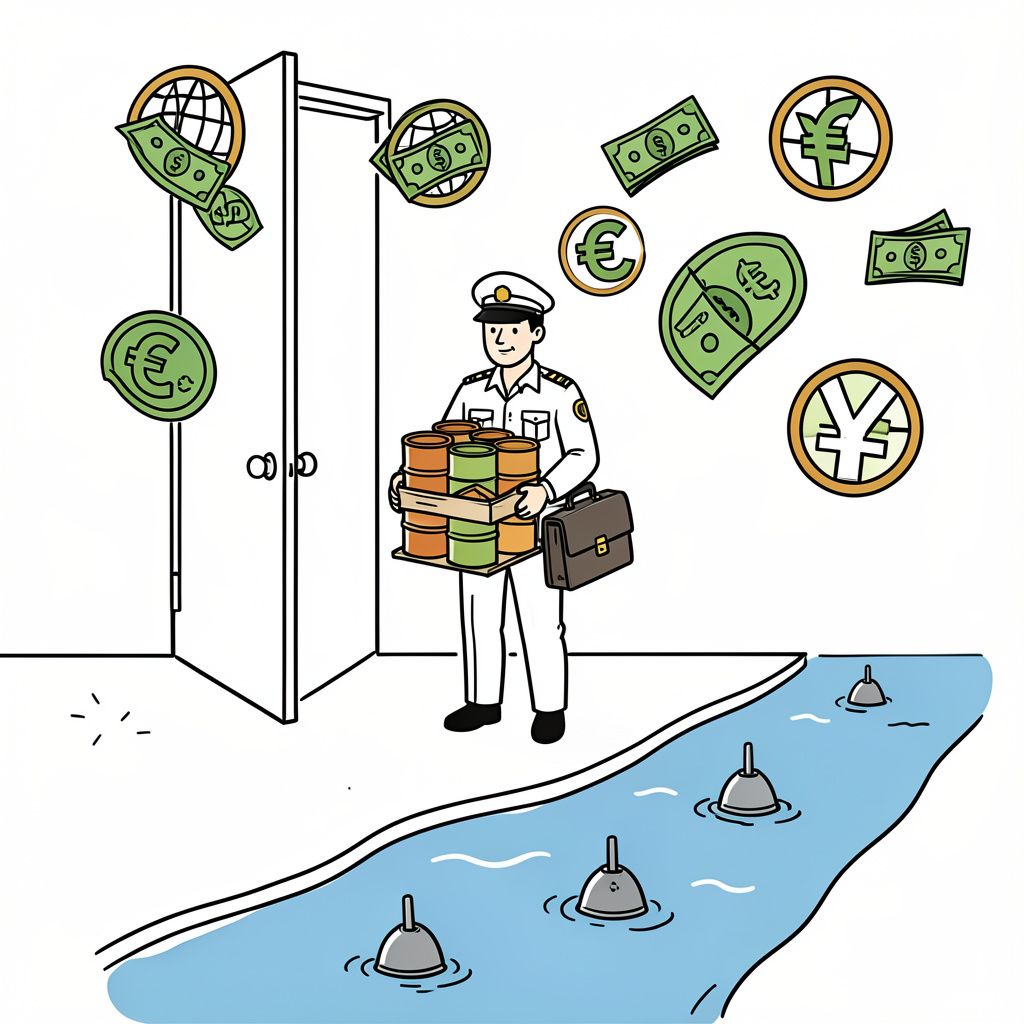
After years of deadlock, Iran has agreed to restore IAEA access, easing fears of a nuclear standoff. The breakthrough could stabilize oil prices—but risks remain as mines still choke the Strait of Hormuz.
From Standoff to Breakthrough: The Path to IAEA Access
The latest round of U.S.-Iran negotiations in Bürgenstock, Switzerland, concluded on 21 June 2026, marking a potential turning point in a diplomatic standoff that has spanned over a year. Tehran’s agreement to restore access for International Atomic Energy Agency (IAEA) inspectors—confirmed by U.S. Vice President JD Vance—represents the first tangible progress since Iran blocked inspections in 2025 [1]. This development follows months of mediated talks, with Qatar and Pakistan playing pivotal roles in bridging the gap between Washington and Tehran [2]. For new readers, the background to this breakthrough can be found in our previous coverage of Iran’s year-long standoff with UN inspectors here.
A Fragile Deal Amid Regional Tensions
The timing of the agreement is critical. Just one day before the talks concluded, Iran temporarily closed the Strait of Hormuz on 20 June 2026, following Israeli airstrikes on Lebanon [1]. The strait, which facilitates the transport of 20%–25% of global oil supplies, remains a flashpoint for regional instability [GPT]. Vance acknowledged the closure had strained negotiations but revealed that a deconfliction mechanism was established to prevent further escalation, including a ceasefire involving Hezbollah and Israel [1]. While the restoration of IAEA access is a ‘major milestone’ toward permanently ending Iran’s nuclear weapons program, Vance cautioned that significant hurdles remain—most notably, the clearance of mines in the Strait of Hormuz to restore safe shipping traffic [1].
The Economic Stakes: Oil Markets and Sanctions Relief
The agreement’s implications for global oil markets are substantial. Iran currently holds 440 kg of near-weapons-grade uranium, a stockpile that has fueled Western concerns over nuclear proliferation and led to crippling sanctions [previous context]. The restoration of IAEA oversight could pave the way for partial sanctions relief, potentially stabilizing oil flows through the Strait of Hormuz [GPT]. However, the deal’s economic benefits hinge on Iran’s compliance with inspection protocols and the resolution of outstanding disputes, including the unfreezing of Iranian assets [1]. Vance credited Jared Kushner and Qatari negotiators with proposing a framework to redirect these assets toward U.S. farmers and Iranian food security—a move described as a ‘classic Trump deal’ [1].
What’s Next: The Road to Implementation
The immediate focus shifts to the practical implementation of the agreement. IAEA inspectors are expected to resume their work within days, with initial reports on Iran’s uranium enrichment activities due by early July 2026 [alert! ‘No specific timeline provided in sources’]. Meanwhile, demining operations in the Strait of Hormuz are set to begin, though the timeline for completion remains unclear [1]. Business leaders and policymakers are closely monitoring the situation, as any further escalation could disrupt energy supplies and trigger volatility in oil prices [GPT]. For now, the agreement offers a glimmer of hope—but the path to lasting stability is far from assured.