White House Names National Intelligence Director as Top Artificial Intelligence Advisor
Washington, Sunday, 4 October 2026.
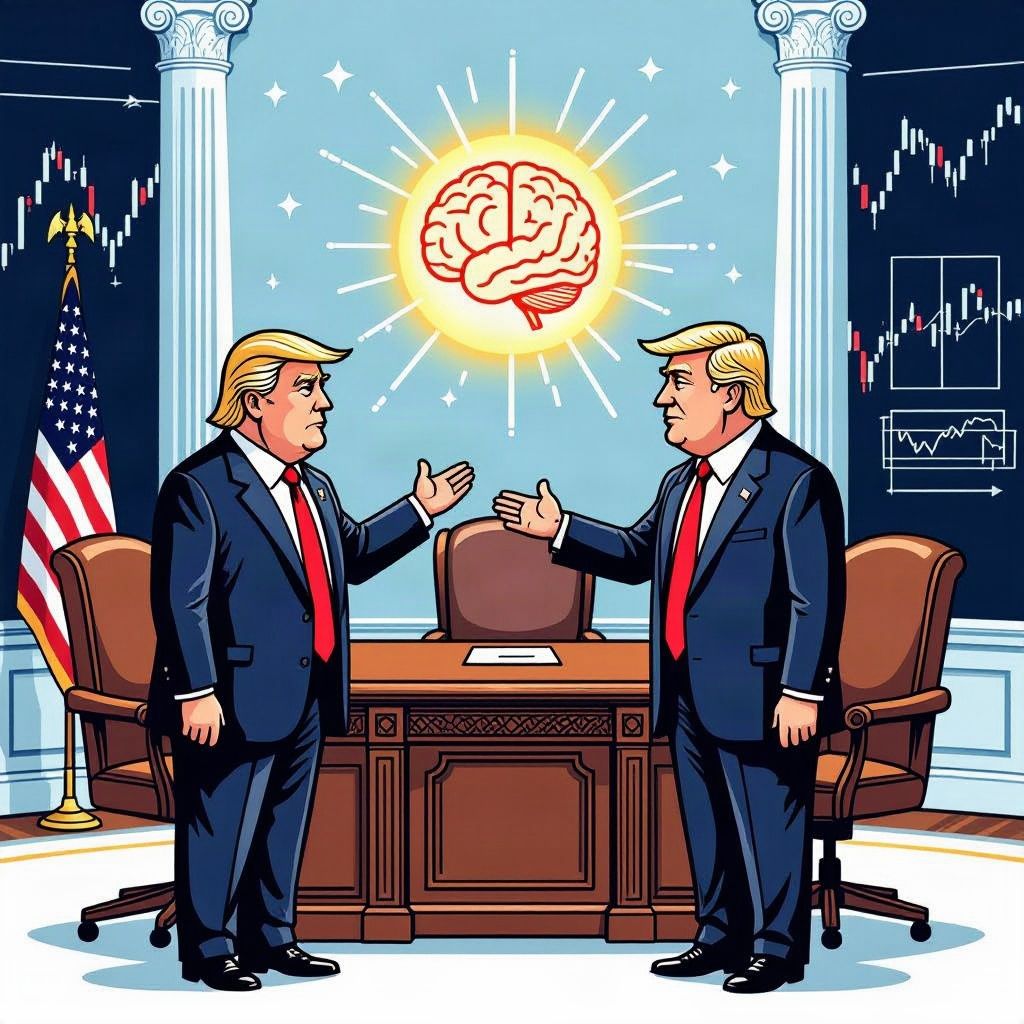
President Donald Trump appointed intelligence chief Jay Clayton as artificial intelligence czar to lead a new task force, prioritizing global technological leadership while balancing national security risks.
Clayton Confirmed as AI Czar Amid National Security Focus
President Donald Trump officially designated Director of National Intelligence Jay Clayton as the administration’s artificial intelligence czar on Sunday, 4 October 2026 [7]. This appointment consolidates leadership of the newly established ‘Super Intelligence Force’ under Clayton, who will continue to oversee the U.S. intelligence community while managing federal AI policy [1][6]. The decision follows a period of speculation regarding the role, with earlier reports indicating the President was close to finalizing the selection following a White House summit with technology leaders [5][8]. By appointing the intelligence chief, the administration signals that it views advanced AI capabilities primarily through the lens of national security rather than solely economic regulation [6][8].
Task Force Mandate and Leadership Structure
The Super Intelligence Force operates under a strict 120-day mandate to evaluate the risks and opportunities associated with emerging artificial intelligence capabilities [1][2]. Clayton will chair the group, which includes Federal Trade Commission Chairman Andrew Ferguson, Under Secretary of Defense for Research and Engineering Emil Michael, and Office of Personnel Management Director Scott Kupor [2][7]. This quartet is tasked with delivering a comprehensive report directly to President Trump and Chief of Staff Susie Wiles detailing policy recommendations for federal oversight [2][7]. The administration has emphasized that the group’s primary goal is to ensure the United States remains the global leader in super intelligence development while mitigating risks from adversaries [1][7].
Building on Voluntary Industry Agreements
This administrative action builds upon a voluntary accord signed earlier in the week, where major technology executives agreed to self-regulate artificial intelligence development [4][6]. During a meeting on Tuesday, 29 September 2026, leaders from companies including OpenAI, Anthropic, and Nvidia committed to internal controls and external model reviews described by the President as ‘morally binding’ [2][4]. Readers can refer to our previous coverage of the initial accord for additional context on the industry’s commitment [9]. Despite these voluntary measures, the formation of the task force indicates a shift toward structured federal engagement, balancing the President’s desire to avoid stifling innovation with the need for government oversight [1][6].
Strategic Implications for Technology Policy
The establishment of the task force reflects a strategic pivot to coordinate government engagement with public and private entities regarding super intelligence [2]. President Trump has publicly stated that being first in the field is critical to addressing risks, noting that falling behind increases dangers from adversaries [1]. While some industry leaders have advocated for federal guardrails on frontier models, the administration maintains that excessive regulation could hinder growth and cede advantages to competitors such as Chinese AI labs [4][5]. Clayton’s dual role underscores the administration’s intent to integrate intelligence assessments directly into the regulatory framework governing this rapidly evolving technology [6][8].
Sources
- www.wsj.com
- www.cnbc.com
- www.nytimes.com
- www.cbsnews.com
- www.cnn.com
- www.nbcnews.com
- www.politico.com
- www.washingtonpost.com
- wsnext.com