Young Workers Master Artificial Intelligence, But Jobs and Higher Pay Remain Out of Reach
Geneva, Monday, 28 September 2026.
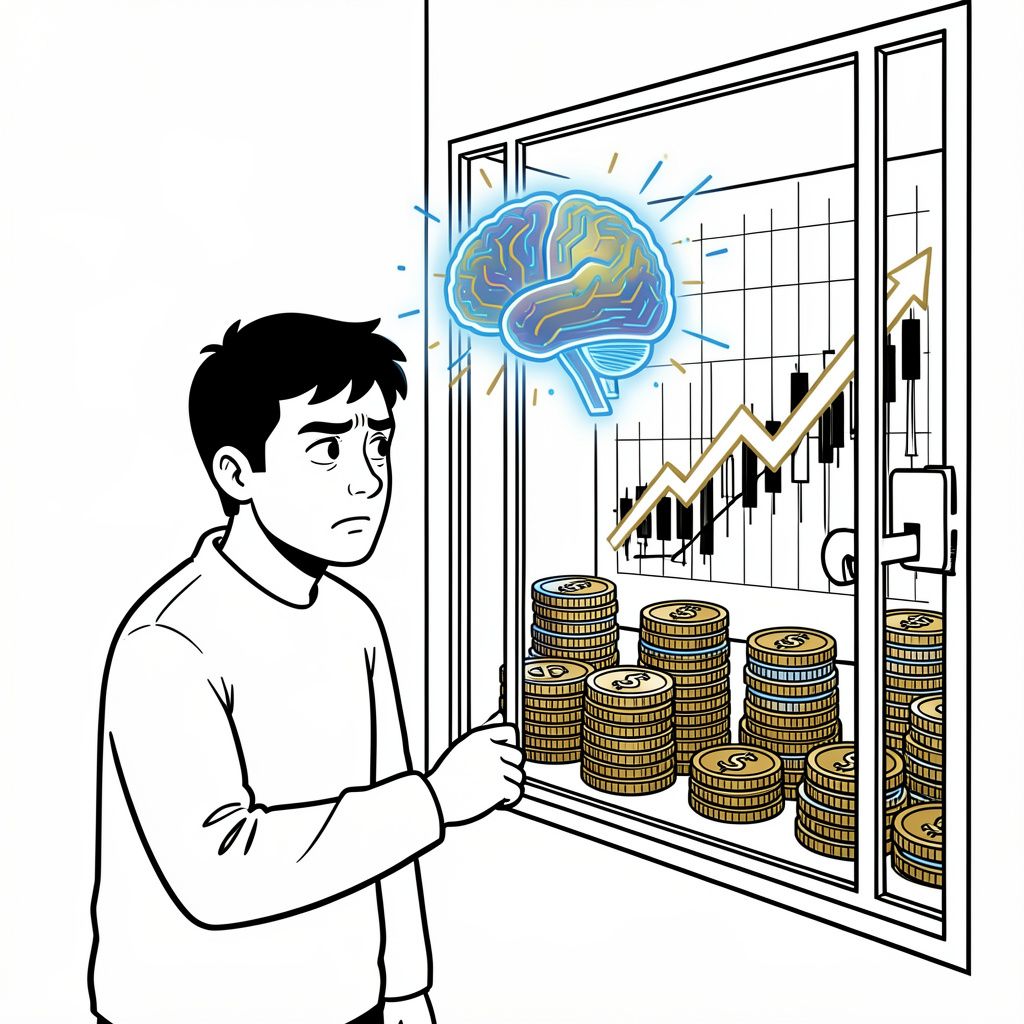
Despite 91% of youth using artificial intelligence weekly, structural barriers prevent them from converting technical skills into jobs and income, creating a critical new economic divide.
Young Workers Master Artificial Intelligence, But Jobs and Higher Pay Remain Out of Reach
Despite 91% of youth using artificial intelligence weekly, structural barriers prevent them from converting technical skills into jobs and income, creating a critical new economic divide [1]. A new analysis by the World Economic Forum highlights a growing disconnect between rapid artificial intelligence literacy among young workers and actual income generation [1][2]. While Gen Z and millennial demographics show high adoption rates for generative AI tools, enterprise hiring frameworks and venture capital allocation are failing to convert these technical proficiencies into structured employment, salary premiums, or viable entrepreneurial ventures [1]. The trend threatens to create an economic bottleneck, impacting labor productivity metrics and corporate workforce strategies across major global markets [1][4].
The Adoption-Earning Gap
Goodwall’s 2026 Youth & AI Perception Survey indicates high AI adoption among youth, with 91% using AI at least weekly and 60.2% using it daily [1]. This leaves a segment of 30.8 percent of young users engaging with the technology on a weekly basis but not daily, suggesting varying levels of integration into workflows [1]. Furthermore, 97.1% of respondents rate themselves as at least somewhat confident in using AI for learning, creativity, or work [1]. However, the text highlights an emerging AI divide where AI literacy, such as prompting and content production, fails to translate into tangible economic outcomes such as internships, employment, startup capital, or access to necessary hardware and connectivity [1][3].
Structural Barriers to Entrepreneurship
Economic barriers prevent translating skills into income, as 68.9% of youth cite financial or family pressures as their primary obstacle to entrepreneurship [1]. This is particularly significant given that 46.8% express a desire to build their own venture, indicating a substantial gap between ambition and capability [1]. Research findings synthesized from Goodwall’s 2026 Youth & AI Perception Survey, Youth AI Programming Insights, and Career Compass research identify that while the youth generation is highly ambitious regarding AI’s economic potential, structural barriers prevent skill-to-opportunity conversion [1]. The primary challenge identified is moving beyond basic AI skilling to creating concrete pathways for employment and economic resilience in an AI-driven workforce [1][4].
Strategic Responses and Future Pathways
During the week of 2026-09-27, Goodwall and HP are conducting two high-level engagements at the UN General Assembly to address the transition from AI literacy to employment pathways [1]. The AI to Opportunity program, managed by Goodwall and HP as part of the NextGen AI Alliance, addresses skill gaps by providing free AI learning, access to HP technology, and peer networking opportunities to help participants convert skills into livelihoods [1]. Since November 2025, the Goodwall and HP partnership has provided AI skilling opportunities to 967,000 learners and distributed over 130 devices across more than 50 countries [1]. Goodwall and HP intend to utilize insights from the HP Foundation to demonstrate and scale youth impact through technology during these engagements [1][2].