Viral Video Game Demo Forces Independent Developers into Debt Over Skyrocketing Artificial Intelligence Costs
San Francisco, Sunday, 11 October 2026.
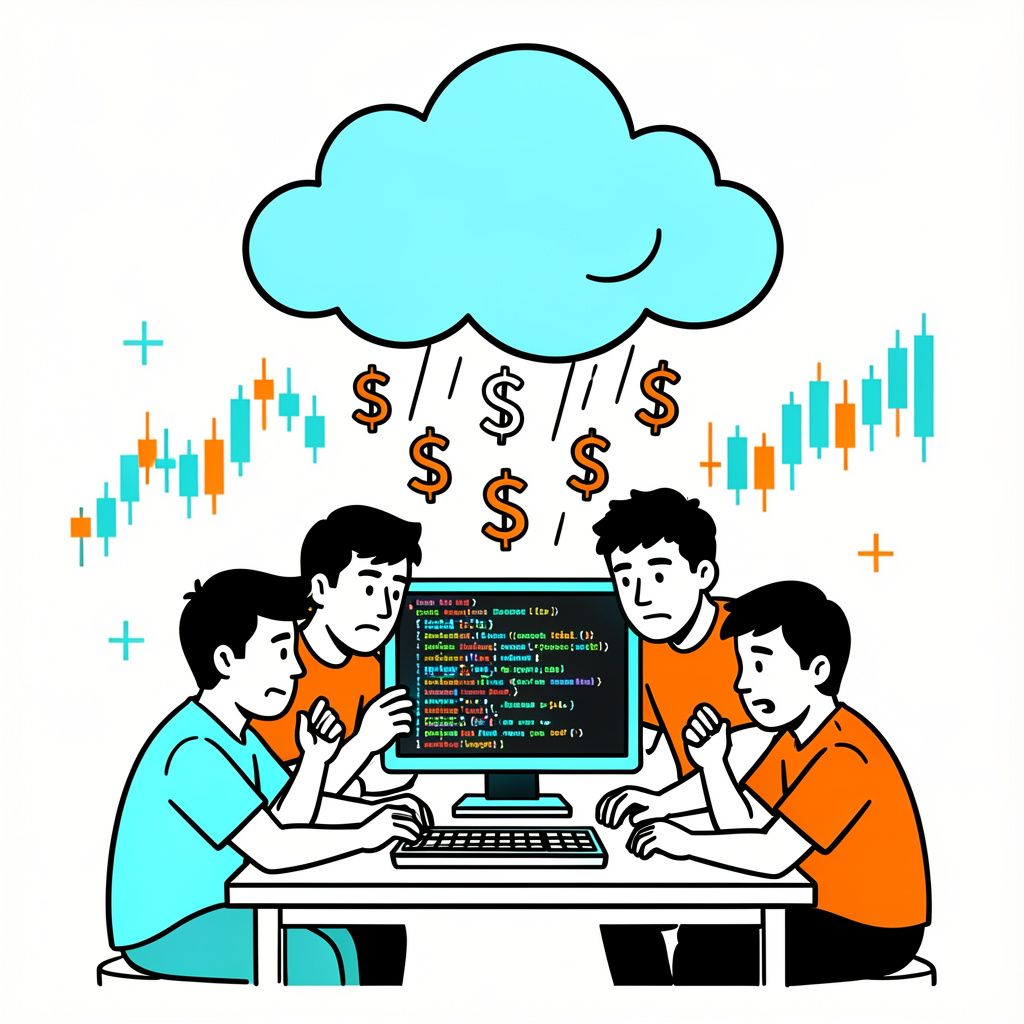
A viral video game demo utilizing cloud artificial intelligence forced a four-person studio to take out a bank loan after daily server token costs suddenly surpassed $1,000.
Financial Impact of Viral Success
The independent studio Easy Fox, a four-person team, secured a bank loan to cover operational expenses after daily artificial intelligence service costs exceeded $1,000 [1][2][3]. This financial strain emerged following a significant surge in player activity during October 2026, where traffic increased more than twentyfold compared to previous months [1][3][4]. While the demo had maintained an average player count of under 10 people until late August 2026, recent data indicates a peak of approximately 405 concurrent players [1][5]. This growth trajectory represents a percentage increase of 3950 from the baseline average, driving the unsustainable token consumption rates [1][5]. The developers confirmed in an October 7, 2026, Steam update that the loan was necessary to keep the demo active while they evaluate long-term infrastructure options [3][4][5].
Technical Bottlenecks and Model Fallbacks
The game, titled Teach My Little Sister How To Drive, relies on external artificial intelligence models to process voice commands and generate real-time responses [1][3]. Originally, the system utilized Google Gemini 2.5 Flash for low-latency interactions, but high traffic volumes triggered rate-limit errors [6][8]. Consequently, the studio implemented OpenAI models as a fallback mechanism, which introduced higher costs and occasional inconsistencies in dialogue quality [1][6]. Players reported issues such as lengthy responses and misunderstandings of instructions when the fallback systems were active [4][6]. These technical challenges underscore the risks of depending on third-party cloud APIs for core gameplay mechanics without robust throttling or cost controls [1][8].
Strategic Pivot and Future Release Plans
To mitigate future costs, Easy Fox is investigating the implementation of local hardware execution models that would eliminate third-party cloud dependence [1][5]. Transitioning to local models would require users to have approximately 8 GB of VRAM for conversation models and 12 GB when running local voice synthesis simultaneously [6][8]. For the full version, currently scheduled for release in 2027, the studio plans to bundle artificial intelligence overhead expenses into the purchase price rather than charging separately [5][6]. [alert! ‘Specific release date in 2027 not provided in sources’] The developers aim to ensure players are not charged individually for token usage after purchase, stabilizing the economic model for the final product [5][7].