Corporate Reliance on Artificial Intelligence Threatens Innovation as Models Deteriorate
San Francisco, Sunday, 11 October 2026.
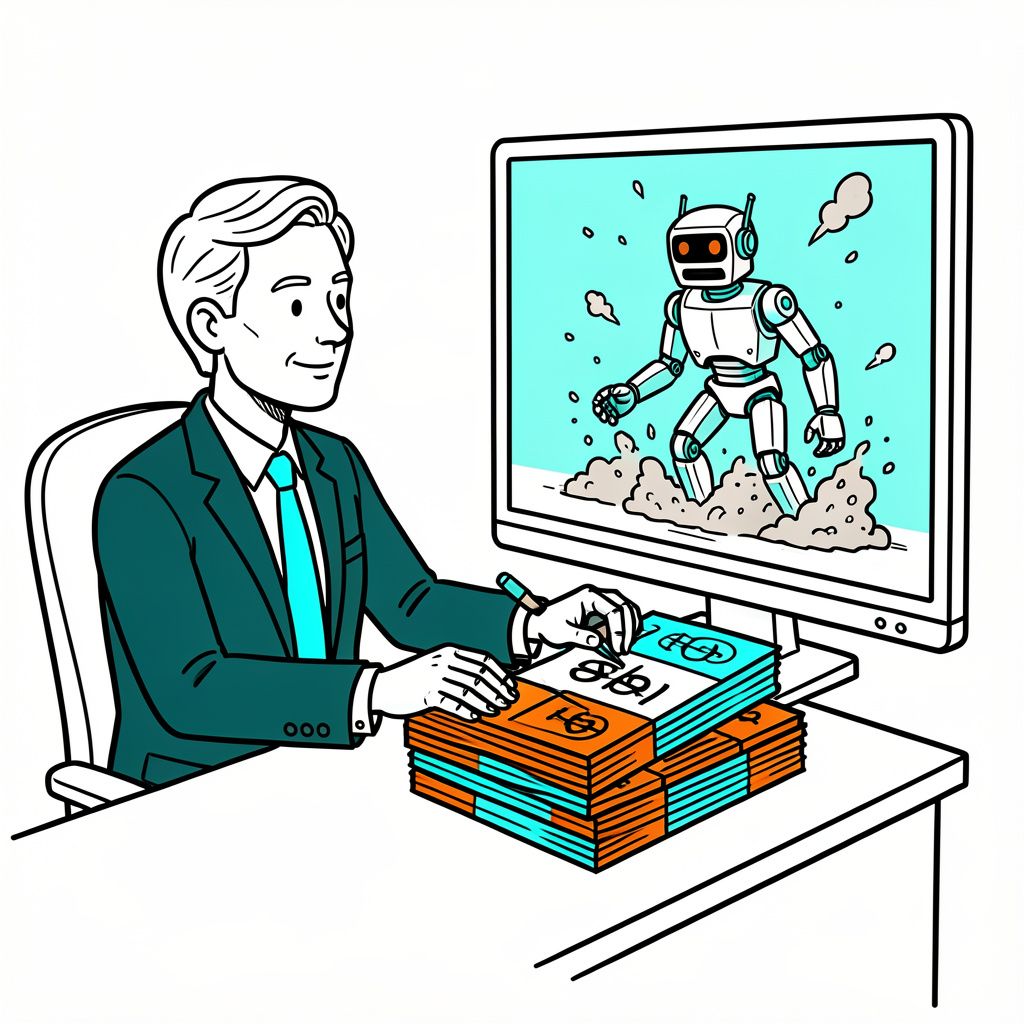
Training artificial intelligence on synthetic data causes model collapse, eroding critical non-standard insights. Over-reliance on uniform automated recommendations creates systemic risks, threatening corporate decision-making and business innovation.
The Emergence of Model Collapse in Enterprise AI
As of October 2026, technology industry analysts are highlighting a growing enterprise risk known as ‘model collapse,’ where corporate reliance on centralized artificial intelligence models leads to homogenized outputs [1]. This phenomenon occurs when recursive AI training on synthetic data causes rare and critical insights to erode, resulting in standardized decision-making across corporations [1]. Research indicates that widespread reliance on generative AI for corporate tasks causes systemic homogenization, where AI-generated content displaces unique perspectives necessary for innovation [1]. A 2024 paper published in Nature identified model collapse as a process where training AI models on synthetic data leads to irreversible defects and the loss of non-normative data points [1]. The risk is not only that future models might train on AI-generated content, but that the diversity of thought required for market innovation diminishes [5].
Academic Findings on Synthetic Data Deterioration
Recent academic work published in 2026 by the AAAI ACM Conference on AI, Ethics, and Society demonstrates how unchecked synthetic data reuse drives a self-replicating cycle of deterioration [2]. Researchers Stevenson, Gerdes, Poech, and Lautrup focused on the synthesis of tabular data, which is critical in high-risk domains such as healthcare and finance [2]. Their findings show that various levels of sample curation can provoke mode dropping and diversity loss in generative models [2]. Because it is difficult to moderate and identify high-fidelity synthetic examples, future deep learning algorithms remain at risk of reciting spurious patterns and defects [2]. This deterioration poses a direct threat to the reliability of automated financial and strategic systems used by enterprise clients [2].
Corporate Response and Hiring Trends
In response to evolving AI landscapes, major firms are adjusting their recruitment strategies to mitigate risks associated with automated systems. Cognizant, Mphasis, and LTIMindtree are all hiring Agentic AI specialists as of October 2026, signaling a shift toward more controlled AI agents [3]. Agentic AI engineers currently earn about a 40 percent salary premium over regular AI engineers, reflecting the high demand for specialized oversight capabilities [3]. Active listings for these roles were verified on official careers portals this week, with positions available in Bengaluru and Pune [3]. Skills required include LangChain, CrewAI, AutoGen, and OpenAI function calling frameworks, indicating a move toward structured AI deployment [3].
Technical Mitigation and Watermarking
To combat the risks of synthetic data contamination, researchers are investigating the durability of watermarks in AI training cycles. CISPA researcher Michel Meintz investigated whether watermarks survive the training of a new generative model, noting that when companies train on their own synthetic data, model quality is likely to deteriorate [4]. The study evaluated four watermarking methods, finding that BitMark was reliably detectable in the Infinity-2B model when only 1 percent of the training data was marked [4]. However, interoperability challenges persist because companies utilize proprietary, non-standardized watermarks [4]. Establishing a universal watermark standard remains difficult due to conflicting corporate requirements and evolving technologies [4].
Strategic Implications for Market Innovation
The convergence of homogenized data and standardized models suggests a potential slowdown in disruptive innovation if left unchecked. Analysts warn that over-reliance on uniform AI recommendations poses systemic risks to market innovation, urging executive leadership to diversify data sources [1]. Unlike historical monopolies enforced by institutions, the current AI homogenization is voluntary and driven by user convenience [1]. Executives are advised to preserve human oversight to ensure that non-standard, innovative ideas are not eroded by efficiency optimizations [1]. The industry must balance the convenience of automated answers with the necessity of diverse, human-driven insights to avoid stagnation [5].