latest news in global
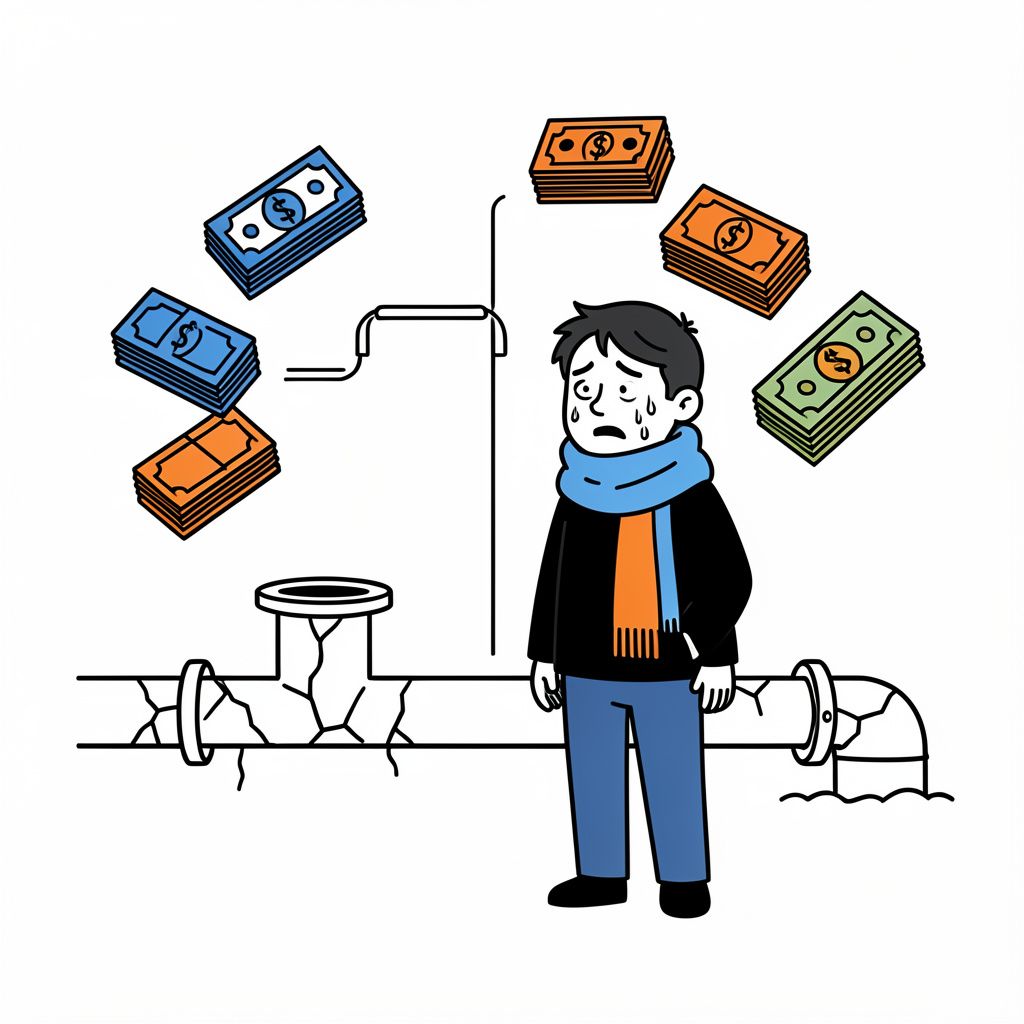
Iran’s Insurance Gambit Could Choke Global Oil Trade and Spike Costs

Iran’s Insurance Gambit Could Choke Global Oil Trade and Spike Costs

Tehran, Tuesday, 23 June 2026.
Iran is pushing to control shipping insurance in the Strait of Hormuz, a move that could disrupt 20% of the world’s oil supply and send global shipping costs soaring. By demanding vessels carry Iranian-approved coverage, Tehran risks triggering a full-blown trade crisis—unless Western powers act fast. The stakes? A potential economic weaponization of the world’s most critical energy chokepoint.

Colombia's High-Stakes Runoff: A Vote That Could Reshape Its Future

Colombia's High-Stakes Runoff: A Vote That Could Reshape Its Future

Bogota, Sunday, 21 June 2026.
Colombia’s 2026 presidential runoff pits ultra-right candidate Abelardo de la Espriella against leftist Iván Cepeda in a razor-thin race. With a 2.8% first-round margin and 3.9 million undecided voters, the outcome hinges on turnout and centrists. De la Espriella leads polls by 6-8 points, but Petro urges 3 million more votes for Cepeda. The winner will determine Colombia’s economic direction, U.S. relations, and regional alliances—potentially aligning with Trump or breaking from Petro’s progressive policies.

U.S. Senator Warns of Military Action If Iran Deal Fails by Late 2026

U.S. Senator Warns of Military Action If Iran Deal Fails by Late 2026

Washington, Sunday, 21 June 2026.
Senator Lindsey Graham predicts the collapse of the U.S.-Iran nuclear deal, warning of drastic consequences. He asserts that if diplomacy fails, President Trump may seize the Strait of Hormuz by force, a move that could disrupt global oil supplies and escalate tensions. Graham’s bold statements highlight the precarious nature of the negotiations and the potential for significant geopolitical fallout.

Trump’s Threat to Iran Freezes Critical Nuclear Talks—What It Means for Global Markets

Trump’s Threat to Iran Freezes Critical Nuclear Talks—What It Means for Global Markets

Geneva, Sunday, 21 June 2026.
President Trump’s public threat to ‘hit Iran very hard again’ has derailed high-stakes nuclear negotiations in Switzerland, just as Vice President Vance met with Iranian delegates. The abrupt halt risks reigniting tensions in the Strait of Hormuz, a vital oil chokepoint, and could spike energy prices worldwide. With 20% of global oil supply at stake, investors are bracing for volatility as geopolitical risks escalate—all while a fragile ceasefire in Lebanon hangs in the balance.

Billion-Dollar Push to Shield Vulnerable Communities from Climate Health Threats

Billion-Dollar Push to Shield Vulnerable Communities from Climate Health Threats

Geneva, Sunday, 21 June 2026.
A groundbreaking $1.2 billion initiative launches in Geneva to combat climate-driven health crises, targeting a 20% rise in risks by 2030. Focused on low-income regions, it funds scalable solutions for extreme weather, pollution, and diseases—backed by global leaders and local innovators.

Spain’s Political Storm: PM’s Wife Ordered to Trial in Corruption Case

Spain’s Political Storm: PM’s Wife Ordered to Trial in Corruption Case

Madrid, Sunday, 21 June 2026.
A Spanish judge has ordered Begoña Gómez, wife of Prime Minister Pedro Sánchez, to stand trial on corruption charges, escalating a political crisis. The ruling includes a travel ban and bi-monthly court check-ins, with Gómez denying all allegations. Sánchez calls the case a politically motivated attack, while opposition parties demand early elections. This trial could reshape Spain’s political landscape ahead of the 2027 general election, raising concerns about stability in the Eurozone’s fourth-largest economy.

US Crackdown on Offshore Call Centers Threatens Millions of Jobs in India and the Philippines

US Crackdown on Offshore Call Centers Threatens Millions of Jobs in India and the Philippines

Washington DC, Sunday, 21 June 2026.
A new US regulatory proposal could devastate the $97 billion call center industries in India and the Philippines, employing nearly 2 million workers. The FCC plans to require location disclosures, English proficiency standards, and onshoring incentives, sparking fears of mass layoffs. Industry leaders warn of destabilization, while experts urge a shift to AI-driven, high-value services. With the public comment deadline looming on June 22, 2026, both nations are mobilizing diplomatic and industry responses to protect their economic lifelines.

Europe’s Trade Deficit with China Hits €1 Billion Per Day—Is a Trade War Inevitable?

Europe’s Trade Deficit with China Hits €1 Billion Per Day—Is a Trade War Inevitable?

Brussels, Sunday, 21 June 2026.
Europe’s trade deficit with China surged to a record €360.6 billion in 2025, deepening by 10% in early 2026. With daily losses nearing €1 billion, the EU is abandoning diplomacy for Trump-style tariffs, risking a full-blown trade war. China’s dominance in EVs, steel, and solar panels—backed by state subsidies—has left European industries struggling. Now, leaders warn of a ‘world of wolves,’ as retaliatory measures loom, threatening supply chains and inflation. Will Europe’s bold shift reshape global trade—or backfire?

China’s Tower of Power: The Concrete Giant Redefining Renewable Energy Storage

China’s Tower of Power: The Concrete Giant Redefining Renewable Energy Storage

Shanghai, Sunday, 21 June 2026.
China has activated the world’s first commercial gravity-based energy storage tower near Shanghai, a 148-meter concrete giant that could revolutionize renewable energy. Unlike lithium-ion batteries, this system uses 35-ton blocks to store excess wind power, releasing it on demand with 80% efficiency. Operational since June 2026, it offers a scalable, long-lasting alternative to traditional storage—no rare materials, no degradation, and a 35-year lifespan. With plans to expand across China, this innovation marks a pivotal shift in how we harness and store clean energy.

Cuba's Bold Leap: Why 176 Free-Market Reforms Could Reshape an Economy

Cuba's Bold Leap: Why 176 Free-Market Reforms Could Reshape an Economy

Havana, Sunday, 21 June 2026.
Cuba has enacted its most radical economic reforms since 1959, introducing 176 free-market measures to revive its struggling economy. The reforms dismantle decades-old socialist pillars, allowing private banks, foreign investment, and even fast-food chains—while Raúl Castro’s grandson publicly backs the shift. Yet, with the U.S. maintaining a harsh embargo and blackouts crippling daily life, success is far from guaranteed. Will this gamble pay off, or is Cuba’s socialist identity at risk?