Overheating UK Homes Force Millions to Take Extreme Measures
London, Sunday, 9 August 2026.
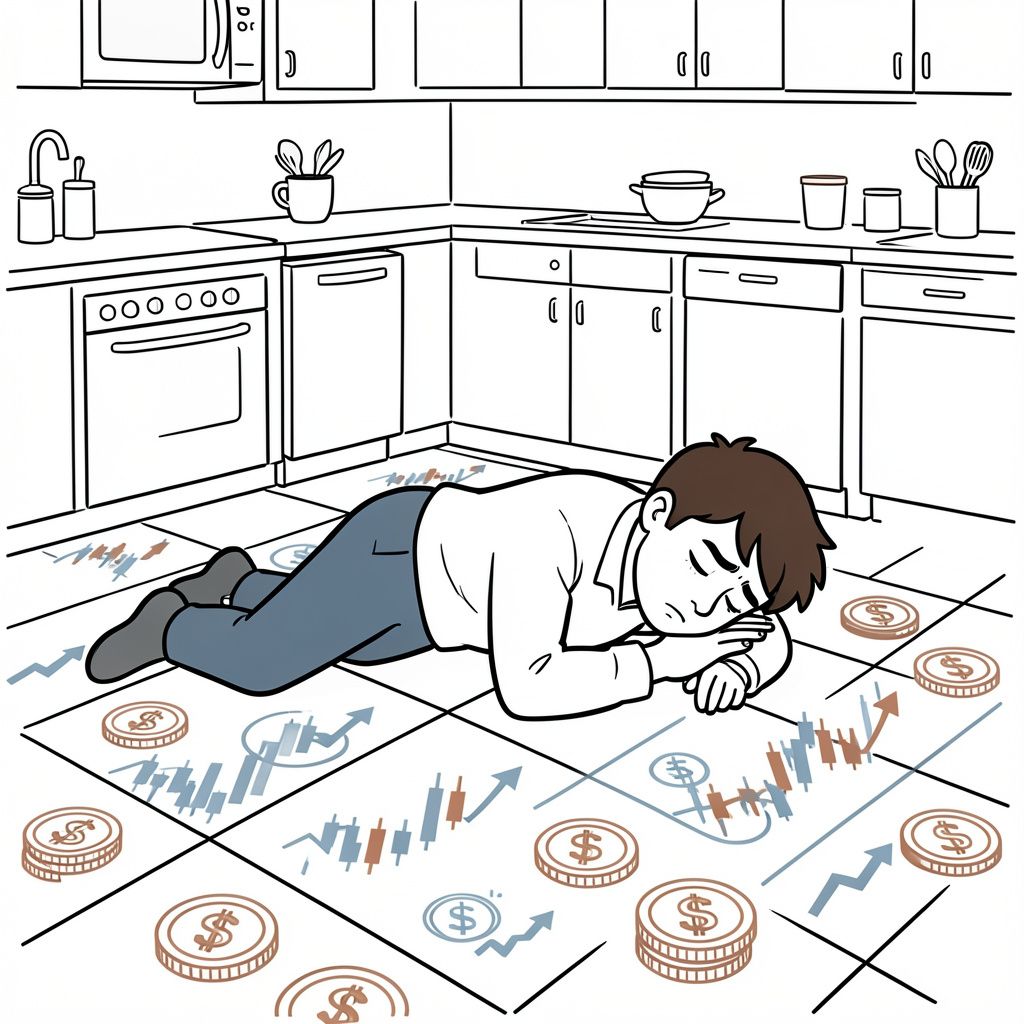
New Citizens Advice data reveals nine million Britons are resorting to extreme measures, including sleeping on kitchen floors, as poorly insulated homes create a year-round housing energy crisis.
Escalating Residential Distress
Recent data released on 7 August 2026 indicates that approximately one in six Britons, equating to 16.667 percent of the population, are resorting to extreme measures to cope with excessive indoor heat [1][3]. Citizens Advice research reveals that nearly nine million people have taken drastic actions such as sleeping on kitchen floors, missing work, or booking hotel rooms to find relief from overheating homes [3]. This surge in discomfort correlates with findings that 44 percent of UK adults feel they lack basic control over their home temperatures during hot weather [3]. The situation is particularly acute for renters, with 51 percent of tenants reporting a lack of control compared to 40 percent of homeowners [3].
Infrastructure Vulnerabilities
Long-term projections suggest that 80 percent of the UK’s existing building stock will remain in use by 2050, necessitating urgent retrofitting strategies to mitigate heat trapping [4]. Within the current infrastructure, approximately 90,000 heat network consumers cannot turn off central heating during summer months due to outdated gas-run infrastructure [3]. This inability to regulate temperature is compounded by high relative humidity levels, such as the 77 percent to 80 percent recorded in London, which exacerbates heat stress by reducing the effectiveness of human sweat evaporation [4]. Additionally, 31 percent of respondents identified building design as the primary barrier to maintaining comfortable indoor temperatures [3].
Policy and Investment Horizons
Citizens Advice is requesting specific funding for fuel poverty schemes, low-interest loans, and upgrades to gas-run heat networks within the Warm Homes Plan [3]. As of 8 August 2026, advocacy groups continue to urge the UK government to implement mandatory housing retrofit standards to address these inefficiencies [5]. Financial institutions are beginning to respond, with Lloyds Bank announcing on 6 August 2026 that it has paid £6 million in cashback to customers for green home upgrades [5]. These market movements signal shifting compliance standards within green construction and climate adaptation technologies [1].