Ukraine Reclaims 600 Square Kilometers as Advanced Drone Tactics Shift War Momentum
Kyiv, Wednesday, 10 June 2026.
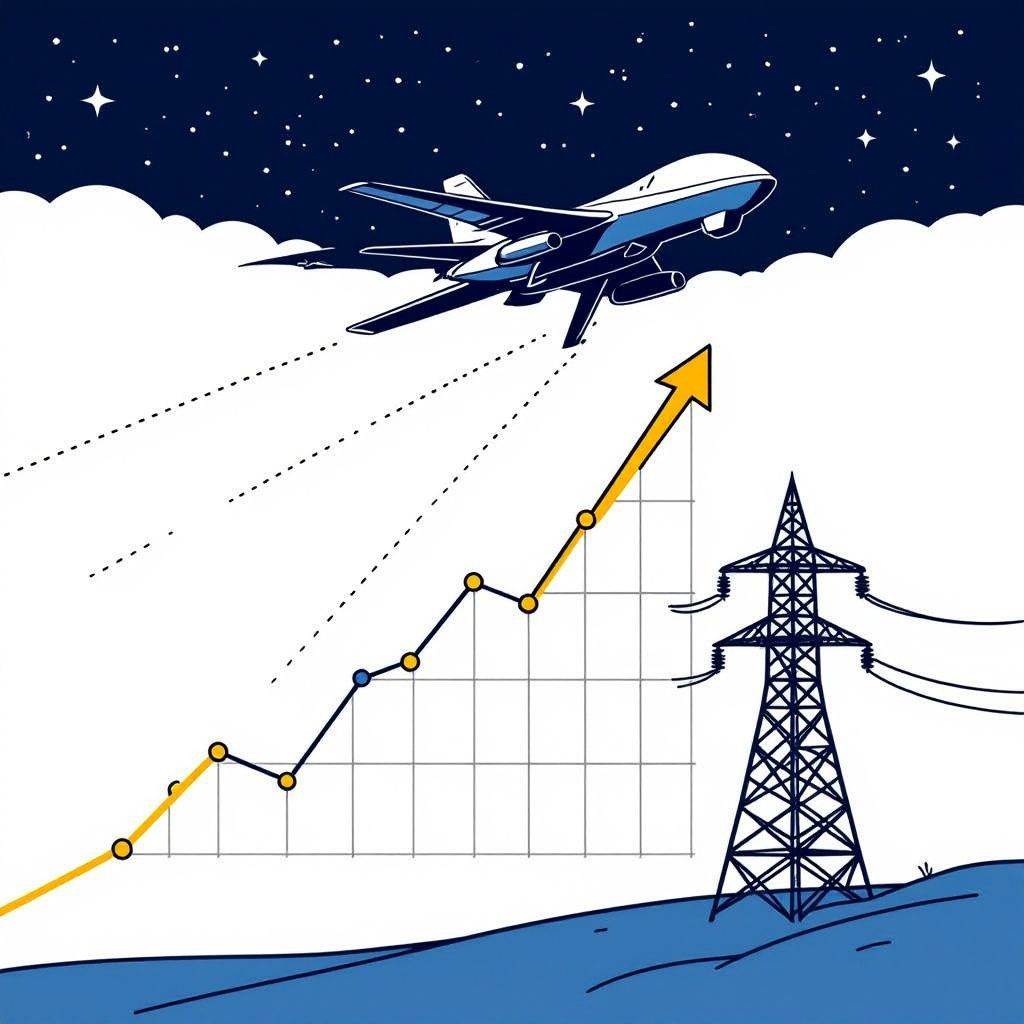
Retired U.S. generals confirm Ukraine holds the strategic upper hand after reclaiming 600 square kilometers in 2026, utilizing advanced drones to cripple Russian logistics and energy infrastructure.
Technological Innovation and the New Frontline Dynamics
As of June 2026, the battlefield landscape has fundamentally shifted due to rapid advancements in Ukrainian military technology [1][4]. Previously constrained by a capability gap in 2025, Ukrainian units are now utilizing mid-range drones daily to strike Russian logistics hubs and command posts at distances of 50 to 100 kilometers past the front line [1]. This technological leap has created a visible “no-go zone” spanning 32.2 kilometers wide, monitored continuously by interconnected screens and battle-tested robots [2][4]. By leveraging a system of “networked situational awareness” developed by domestic tech companies, Ukraine has deployed AI-powered drone interceptors capable of neutralizing Russian aerial threats over 160 kilometers away [2][4].
Strategic Territorial Gains and Command Assessments
These tactical innovations have translated into measurable territorial shifts. On June 8, 2026, Ukraine’s top military commander, Oleksandr Syrskyi, announced that Ukrainian forces had recaptured over 600 square kilometers of territory since the beginning of 2026 [5][6]. This includes a net gain of 100 square kilometers in May 2026 alone, representing 16.667 percent of the total territory reclaimed this year [5][6]. The heaviest and most dynamic fighting remains concentrated around the eastern city of Pokrovsk, as well as the southeastern Oleksandrivka and Huliaipole areas [1][5][6]. While Russia claimed to have captured Pokrovsk in December 2025, the independent battlefield map DeepState showed the city fully held by Russia just weeks prior to June 2026 [5].
Economic Repercussions and Energy Infrastructure Strikes
Beyond the immediate front lines, Ukraine’s extended strike capabilities are severely degrading Russia’s economic and energy infrastructure [GPT]. Ukrainian long-range drones have systematically targeted Russian oil refineries and fuel depots, reducing Russian refining capacity by at least 20% and forcing major production halts in central Russia by May 2026 [2][4]. According to Ukrainian military assessments, these targeted strikes on Russia’s military-industrial complex and fuel infrastructure have inflicted over $1 billion in direct and indirect financial damages [6]. On June 6, 2026, Ukrainian drone strikes even targeted Saint Petersburg during the final day of the St. Petersburg International Economic Forum, causing widespread local internet disruptions [3].
Geopolitical Implications and Future Outlook
Despite Ukraine’s operational successes, the broader geopolitical landscape remains complex and fraught with supply chain uncertainties. The U.S. Department of Defense was scheduled to complete the delivery of a $1.2 billion military aid package—featuring advanced air defense systems and 155 mm ammunition—by June 8, 2026 [alert! ‘The exact delivery status of this specific aid package as of June 10, 2026, remains unconfirmed in the provided military assessments’] [3]. Meanwhile, domestic U.S. politics continue to intersect with the conflict’s financial trajectory. Between late May and early June 2026, the Trump administration awarded SpaceX two contracts totaling $6.45 billion ahead of the company’s anticipated Initial Public Offering (IPO) [alert! ‘The specific launch date and regulatory status of the SpaceX IPO remain pending’] [4].
Sources
- www.cbsnews.com
- www.theatlantic.com
- understandingwar.org
- anneapplebaum.substack.com
- www.reuters.com
- deepconcern.news