US Targets Cuban President and Castro Family in Sweeping New Sanctions
Washington, D.C., Friday, 5 June 2026.
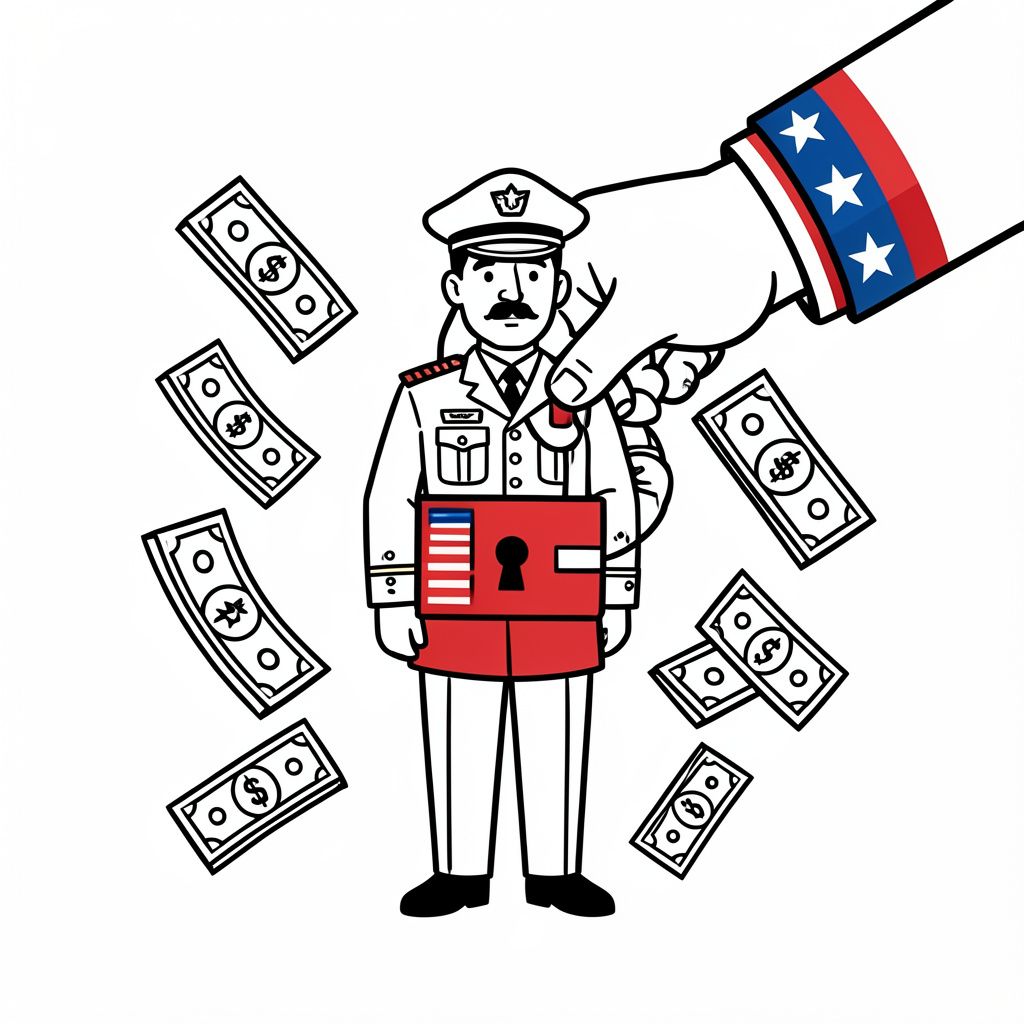
In a major escalation, the US sanctioned Cuban President Díaz-Canel and the Castro family, applying unprecedented secondary penalties to foreign businesses operating within Cuba’s military sectors.
Expanding the Financial Dragnet
On June 4, 2026, the United States Department of the Treasury’s Office of Foreign Assets Control (OFAC) executed a sweeping expansion of its Specially Designated Nationals (SDN) list, directly targeting the highest echelons of the Cuban government [1][4][6]. The newly designated individuals include Cuban President Miguel Díaz-Canel, his wife Lis Cuesta Peraza, and his stepson Manuel Anido Cuesta [1][4]. The sanctions also extend to the Castro family lineage, specifically targeting Alejandro Castro Espín, the son of former leader Raúl Castro, and Raúl Alejandro Castro Calis, his grandson [1][4]. By placing these prominent political figures on the SDN list, the U.S. government effectively freezes any assets they hold within U.S. jurisdictions and strictly prohibits American citizens and entities from engaging in financial transactions with them [6].
Secondary Sanctions and Global Corporate Risk
The legal foundation for these aggressive financial actions is Executive Order 14404, signed by U.S. President Donald Trump on May 1, 2026 [2][6][7]. This directive marks a significant paradigm shift in U.S. sanctions policy by authorizing “secondary sanctions” against foreign individuals, banks, and corporations that conduct business with designated Cuban sectors, such as defense, energy, and mining [2][6]. Historically, the U.S. embargo—which has been in place since the 1960s—primarily restricted domestic American firms from operating in Cuba [1]. However, the new framework extends this jurisdictional reach to third-party countries, threatening foreign enablers with restricted access to the U.S. financial system if they continue to economically sustain the Cuban regime [2].
Strategic Objectives and Economic Fallout
The strategic rationale behind this financial isolation is rooted in broader U.S. national security objectives. U.S. Secretary of State Marco Rubio has characterized Havana as a forward operating base for a “global irregular war,” accusing the regime of funding and equipping violent leftist militants to undermine American interests [1][6]. Furthermore, on June 5, 2026, President Trump indicated that the administration plans to fully “handle” Cuba once it concludes its ongoing geopolitical efforts regarding Iran, emphasizing a desire for Cuba to become a nation capable of feeding its own people [5]. The U.S. strategy appears to mirror the “Maduro playbook”—a reference to the severe economic pressure applied to Venezuela, which recently culminated in tariff threats that forced Mexico to halt fuel shipments to Cuba in January 2026 [1][2].
The Path Forward in US-Cuba Relations
In response to the escalating financial siege, Cuban leadership has remained defiant. President Díaz-Canel condemned the recent measures as “political blindness,” asserting that they are deliberately designed to harm the Cuban populace [1]. He vowed that the government would resist what he described as an imperial onslaught, preparing to face the worst-case economic scenarios [1]. Meanwhile, the U.S. continues to systematically dismantle the financial networks of the Cuban intelligence and military apparatus; a second wave of sanctions on May 18, 2026, previously targeted the Directorate of Intelligence and the National Revolutionary Police [6][7].
Sources
- cnnespanol.cnn.com
- www.foxnews.com
- www.bbc.com
- ofac.treasury.gov
- www.anews.com.tr
- en.cibercuba.com
- en.cibercuba.com