California Introduces Strict Limits on AI Employee Surveillance and Firing
Sacramento, Sunday, 4 October 2026.
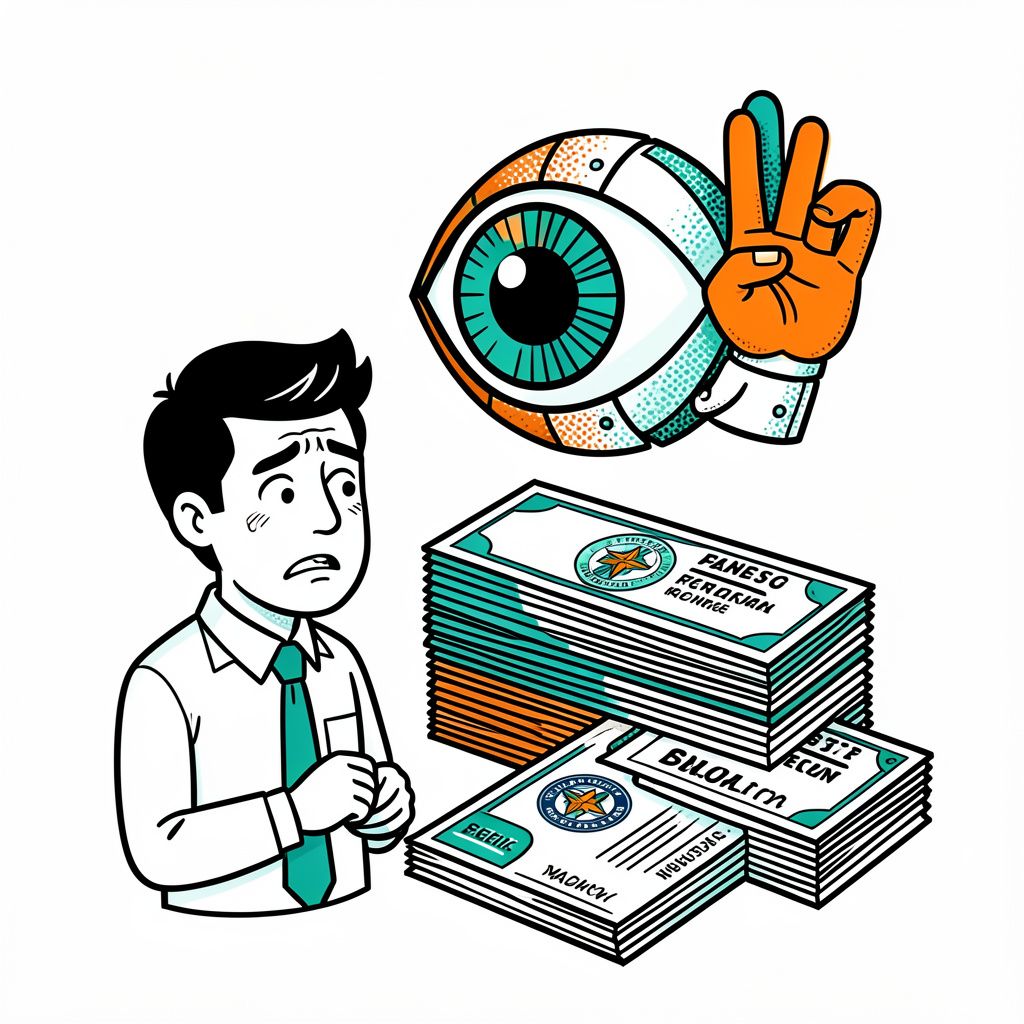
New California legislation explicitly bans automated job terminations and prohibits employers from using AI to track worker emotions or neural data, setting a major legal precedent.
Legislative Action and Political Context
On September 30, 2026, California Governor Gavin Newsom, a Democrat, signed a comprehensive package of bills regulating artificial intelligence in the workplace, marking a significant shift in labor policy [2][4]. This legislative action follows intense advocacy from labor organizations, including the California Federation of Labor Unions and the AFL-CIO, which sought to curb the unchecked deployment of automated management systems [1][7]. The signing event, covered widely by state media, underscores the Democratic party’s current focus on balancing technological innovation with worker security in the nation’s fifth-largest economy [3][7].
The new laws address specific fears regarding job displacement and privacy, prohibiting employers from relying exclusively on automated decision systems for termination or discipline [2]. Governor Newsom emphasized that artificial intelligence should expand opportunity rather than come at the expense of workers and families, positioning the state as a counterweight to federal deregulation efforts [7]. This regulatory stance distinguishes California from jurisdictions with narrower laws, such as Colorado and Illinois, by implementing broader restrictions on surveillance and algorithmic management [1][2].
Surveillance Restrictions and Privacy Rights
A core component of the legislation is Assembly Bill 1883, which bans workplace surveillance tools that use AI to recognize, infer, or predict an individual’s emotional state or collect neural data [2]. This provision directly responds to incidents where employees reported automated analysis of voice tones and timed bathroom breaks, practices that labor advocates argue dehumanize the workforce [1][4]. Additionally, Assembly Bill 1331 explicitly prohibits the use of surveillance tools to monitor employees in workplace bathrooms, though exceptions remain for standard badge or alarm systems lacking audio/video recording capabilities [2].
Violations of these surveillance restrictions carry civil or statutory penalties of up to $500 per violation, enforceable through the California Private Attorney General Act [2]. The legislation also extends protections to the healthcare sector, mandating that AI remain in an advisory role and cannot replace the clinical judgment of licensed professionals [7]. These measures aim to prevent the collection of sensitive biometric information while ensuring that human oversight remains central to critical decision-making processes [6][8].
Layoff Disclosures and Implementation Timelines
Senate Bill 951 amends the California WARN Act to require employers to disclose in writing when artificial intelligence or automation is the cause of mass layoffs [5]. Employers must now include specific details such as the number of affected staff, the job functions being automated, and the category of technology involved when issuing the mandatory 60-day notice [5]. This transparency measure is designed to help the Employment Development Department track technology-driven job displacements and publish quarterly summaries accessible to the public and unions [5].
While the signing occurred in late September 2026, the effective dates for these provisions vary to allow for compliance preparation. The layoff disclosure requirements and surveillance bans become operative on January 1, 2027, whereas the restrictions on automated firing decisions under the ‘No Robo Bosses Act’ take effect on July 1, 2027 [4][7]. This staggered timeline creates a window of 6 months between the initial compliance date and the full enforcement of termination protections, giving employers time to adjust their human resources protocols [4].
Enforcement Challenges and Industry Response
Despite the robust framework, legal experts note that some statutes lack private enforcement mechanisms, meaning only the government can pursue legal action against violators in certain contexts [1]. This limitation has drawn criticism from advocates who argue that workers should have the direct right to sue for violations, though the California Federation of Labor Unions views the laws as a turning point in establishing national norms [1][7]. The technology industry and pro-AI lobbyists opposed several measures, citing concerns about operational reality and the complexity of compliance requirements [8].
Governor Newsom also vetoed certain bills, including protections for nurses challenging unsafe AI practices, indicating a nuanced approach to regulation that balances safety with industry feasibility [8]. As the state prepares for implementation, the Employment Development Department is mandated to submit a report to the Legislature by January 1, 2028, regarding AI’s impact on hiring across industries [5]. This data will be critical in determining whether further legislative action is needed to address gaps in worker protection as the technology evolves [5][8].
Sources
- www.theguardian.com
- ogletree.com
- www.facebook.com
- www.insideprivacy.com
- www.fisherphillips.com
- www.facebook.com
- www.kqed.org
- www.bloodinthemachine.com