California Leaders Condemn Federal War Rhetoric Impacting Major Economic Cities
Los Angeles, Tuesday, 6 October 2026.
President Donald Trump sparked severe backlash after describing potential attacks on Los Angeles and San Diego as a small price to pay during ongoing conflict with Iran.
Presidential Remarks and Immediate Backlash
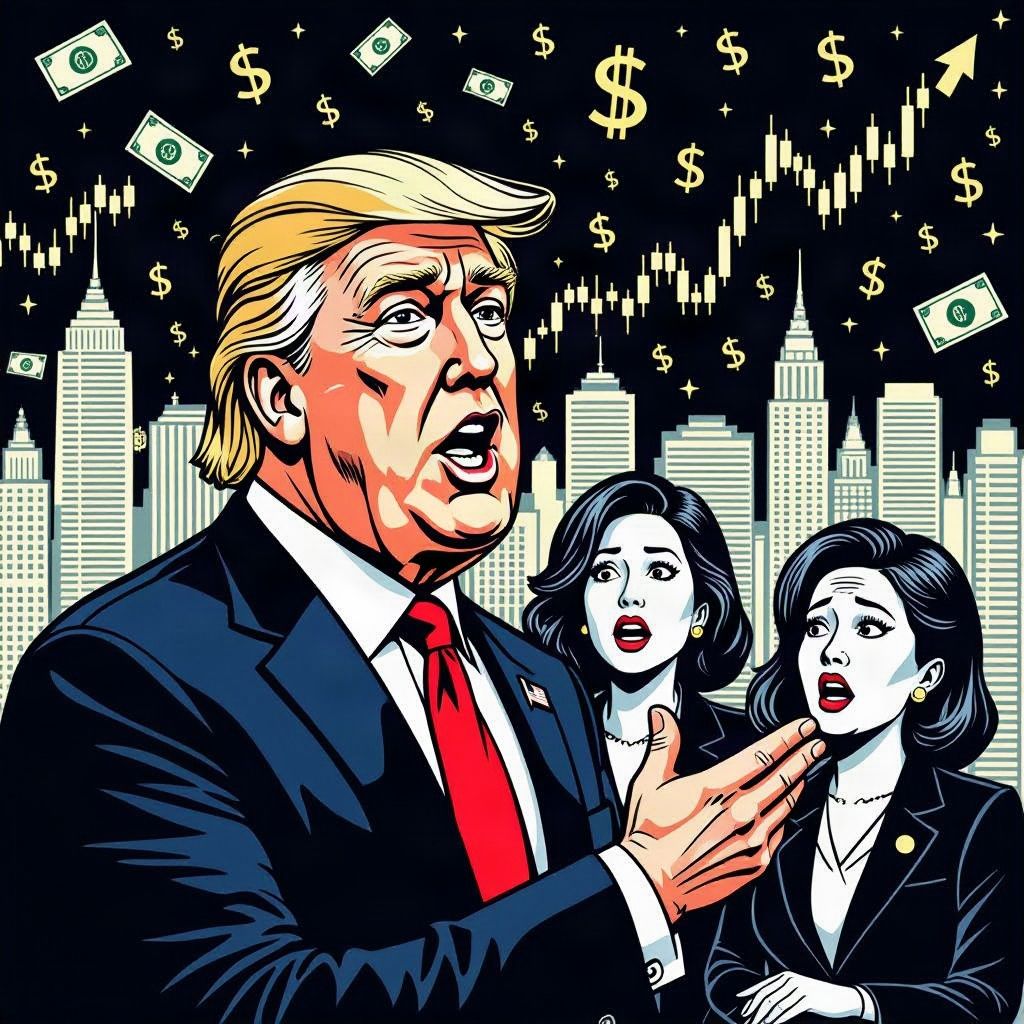
On Monday, October 5, 2026, President Donald Trump addressed supporters at a campaign rally in Grand Island, Nebraska, making controversial statements regarding national security and foreign conflict [1][6]. During the speech, which focused on rising gasoline prices and the ongoing war with Iran, the President suggested that the potential destruction of major economic hubs like Los Angeles and San Diego would be acceptable collateral damage [1][3]. He stated, “They can take out a city. Let ‘em take out Los Angeles, let ‘em take out San Diego. This is a very small price to pay,” linking the risk to the broader goal of keeping the world safe [1][6]. These comments were made just one day prior to the current date, calculated as 1 days ago [1][3].
California Governor Gavin Newsom responded swiftly to the President’s comments, characterizing the remarks as evidence that the President is “deranged and dangerous” [2][7]. Newsom linked the rhetoric to recent federal actions, noting the administration’s deployment of National Guard and Marines into California as part of escalating federal-state tensions [1][2]. San Diego Mayor Todd Gloria rejected the notion that his city was expendable, stating, “San Diego is not collateral damage. We are not expendable. And we are never a ‘small price to pay’” [2][3]. Los Angeles Mayor Karen Bass also issued a statement calling the comments dangerous and contrary to the duty of a president to protect American lives [3][5].
Political Context and Security Implications
The controversy adds to ongoing tensions between the Trump administration and California’s Democratic leadership, intensifying over immigration enforcement and federal deployments throughout the President’s second term [1][3]. Senator Adam Schiff questioned whether the President would be troubled by an attack on two American cities, highlighting the severity of the rhetoric [1][3]. Senator Alex Padilla noted that at least 19 servicemembers have died in the unauthorized war with Iran, criticizing the invitation of attacks on U.S. soil [2]. Meanwhile, some Republican figures, such as San Diego County Supervisor Jim Desmond, disagreed with the President, emphasizing that the Commander in Chief’s duty is to protect American cities [2].
Background information indicates that Iran maintains a self-imposed ballistic missile range limit, though U.S. officials allege their space program could facilitate intercontinental ballistic missile development [3]. In March 2026, California law enforcement agencies received warnings regarding potential drone attacks linked to the Iran conflict, though sources indicated no credible intelligence supported these claims [3]. The President’s rally also addressed economic impacts, with announcements aimed at lowering diesel fuel prices through executive order [6]. Social media platforms circulated video and text of the event, amplifying the reach of both the President’s comments and the subsequent backlash from state officials [4][5][8].
Economic and Strategic Analysis
The economic implications of such rhetoric extend beyond immediate market reactions, potentially influencing investor confidence in West Coast infrastructure [1][6]. Los Angeles and San Diego are California’s two largest Southern California metropolitan areas and together are home to millions of residents, major military installations, international trade hubs and critical economic infrastructure [1]. The President’s appearance was the latest effort to rally Republican voters ahead of the midterm elections, where he campaigned for Nebraska Sen. Pete Ricketts [6]. While the President announced plans to waive off-road requirements for diesel fuel to assist farmers, the geopolitical comments overshadowed policy details [6].
Uncertainty remains regarding the specific strategic intent behind the comments, whether they were purely rhetorical or indicative of a shift in defense posture [alert! ‘Specific strategic intent not explicitly confirmed in source material’]. The White House had not immediately responded to criticism from Newsom and Gloria at the time of reporting [1]. California political leaders have characterized the former president’s comments as dangerous and issued sharp rebukes in response [8]. The situation remains fluid as federal and state officials navigate the intersection of campaign rhetoric and national security policy [2][3].
Sources
- www.kentucky.com
- fox40.com
- www.latimes.com
- www.facebook.com
- www.facebook.com
- ktla.com
- www.facebook.com
- www.instagram.com