Most Voters Now View Artificial Intelligence as a Major Threat to American Jobs
Washington, Wednesday, 2 September 2026.
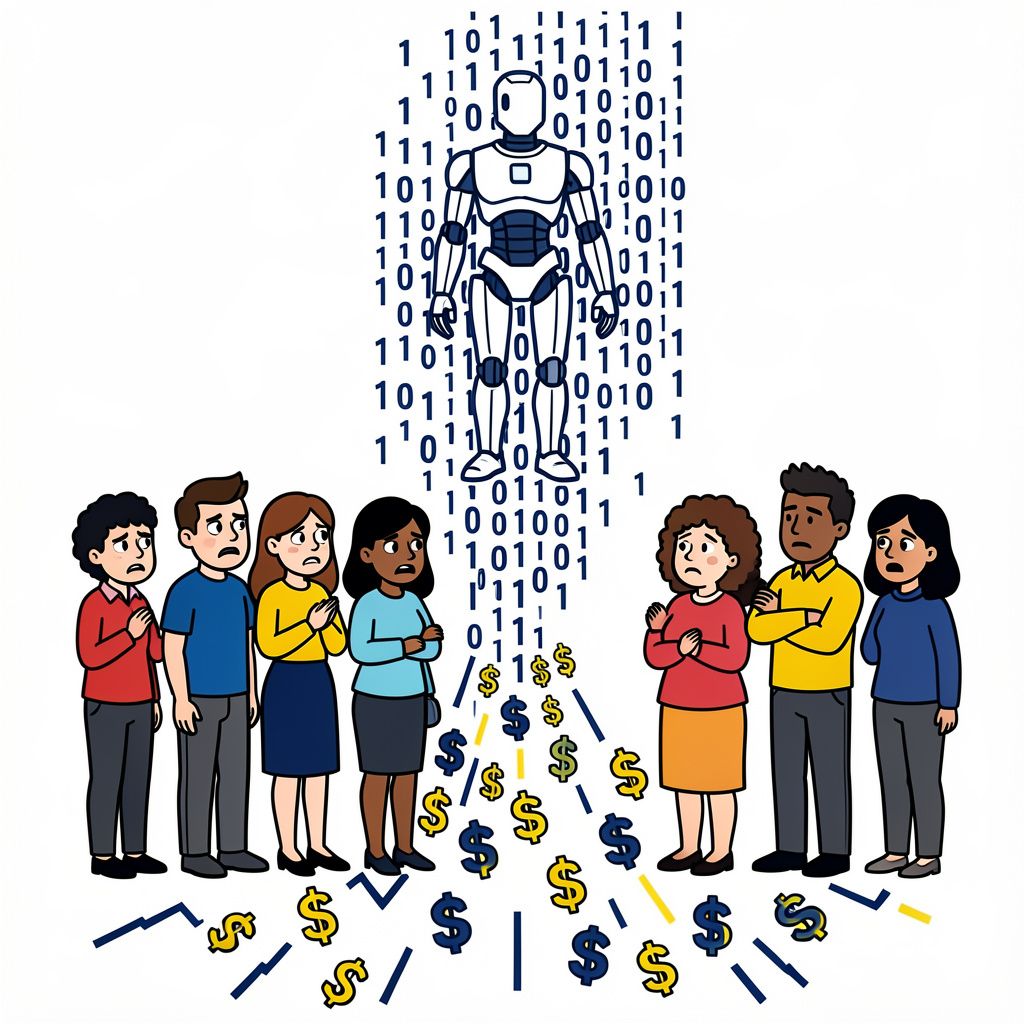
The latest Harvard CAPS/Harris poll reveals that nearly six in ten voters fear artificial intelligence will cause massive unemployment, driving deep economic anxiety ahead of the upcoming midterm elections.
Midterm Competition Intensifies Amidst Economic Concerns
Beyond economic anxieties, the political landscape reflects a tightly contested environment leading into November. President Donald Trump’s approval rating has edged up to 44%, marking a 2-point increase from July 2026 [1]. While Democrats hold a slim 2-point lead overall in congressional vote preference, Republicans lead by 2 points among likely midterm voters [1]. This divergence highlights the importance of voter turnout, with 69% of respondents stating they will vote, yet less than half have made a final decision on their choice [1]. Economic priorities remain paramount, as 37% of voters cite inflation as a low point for the administration, and 60% prioritize keeping consumer prices low over protecting U.S. industries [1].
Historic Turnover in Congress
The 2026 midterm election is characterized by significant legislative turnover, often indicative of a “change” election cycle. Analysis suggests at least 70 sitting House members, comprising 30 Democrats and 40 Republicans, are not seeking reelection, representing the highest number since 2000 [2]. Republicans account for approximately 57.143 percent of these departing House members, signaling internal shifts within both parties [2]. In the Senate, 13 incumbents are not returning, including Senator Alan Armstrong (R-Okla.), who was appointed in March 2026 [2]. House Speaker Mike Johnson (R-La.) qualified for reelection on August 5, 2026, emphasizing his commitment to serving Louisiana’s 4th District [2].
International Pressures and Trade Dynamics
Foreign policy developments continue to influence domestic sentiment, particularly regarding trade and military engagement. Two-thirds of voters want the U.S. and Canada to secure a new trade agreement focused on lowering consumer prices [1]. Meanwhile, tensions in the Middle East persist, with the U.S. military completing a new wave of strikes on targets in Iran as of September 2, 2026 [3]. President Trump stated he is not trying to force Iran to the negotiating table, even as 66% of voters anticipate an Iranian uprising within the next six months due to U.S. pressure [1][3]. These international factors compound the economic uncertainty driving voter behavior ahead of the November 3 general election [2].