US Inflation Surge to 3.3 Percent Tests Federal Reserve Rate Strategy
Washington, Tuesday, 28 April 2026.
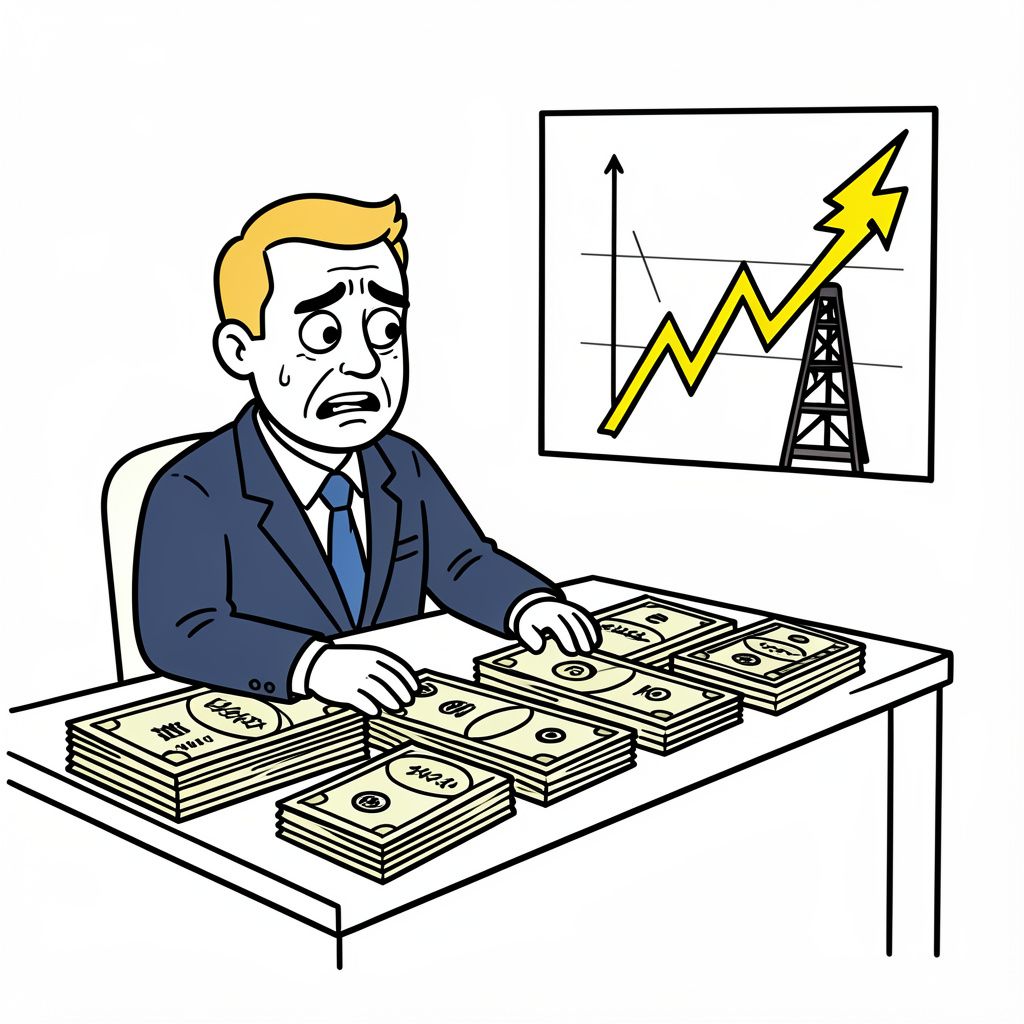
A sudden 90 basis-point surge pushed US inflation to 3.3 percent in March 2026. This energy-driven spike complicates the Federal Reserve’s upcoming interest rate decisions and economic outlook.
Monetary Policy at a Crossroads
As the Federal Open Market Committee (FOMC) prepares to conclude its two-day policy meeting tomorrow, April 29, 2026, market forecasters overwhelmingly expect the central bank to leave its benchmark federal funds rate unchanged at 3.5 percent to 3.75 percent [3][7]. The persistent stickiness of inflation has drastically altered market expectations for future rate cuts. According to the CME FedWatch tool, traders currently assign a less than 30 percent probability of a rate cut by the end of 2026, and a majority do not expect a reduction until September 2027 [7]. This is a sharp reversal from earlier in the year when markets were pricing in multiple rate cuts to support a historically expensive stock market [1].
Leadership Shifts and Market Vulnerabilities
The April 29 rate decision also marks a significant transitional moment for the Federal Reserve. The post-meeting press conference is expected to be Jerome Powell’s last as Fed Chair, with his term set to expire on May 15, 2026 [3]. President Trump has nominated Kevin Warsh to succeed him [3]. During his April 21 Senate confirmation hearing, Warsh emphasized his commitment to the central bank’s operational independence, explicitly stating he had not been asked to commit to any specific rate decisions and would not do so [6]. This transition follows the April 24 announcement by US Attorney for the District of Columbia Jeanine Pirro that the Department of Justice had closed its inquiry into Powell, clearing a major distraction for the institution [3].
The Long-Term Inflation Report Card
Despite the Fed’s official mandate to maintain price stability—defined since 2012 as a 2 percent inflation target [2]—the central bank has struggled significantly in recent years. According to an analysis by Joseph Tracy at Purdue University’s Daniels School of Business, the Fed has consistently earned a “D” or “F” grade on its inflation report card since February 2022 due to persistent overshooting [2]. The cumulative impact of this inflation is severe: even if the Fed manages to return inflation to the 2 percent target going forward, the cumulative price level remains more than 11 percent above the baseline established in January 2021, the last time 12-month inflation was reliably near the target [2].
Sources
- www.fool.com
- business.purdue.edu
- www.usatoday.com
- www.crfb.org
- fred.stlouisfed.org
- www.ubs.com
- www.investopedia.com