MLB Warns Giants Pitchers Over Pride Night Bible Verse Protest
San Francisco, Tuesday, 16 June 2026.
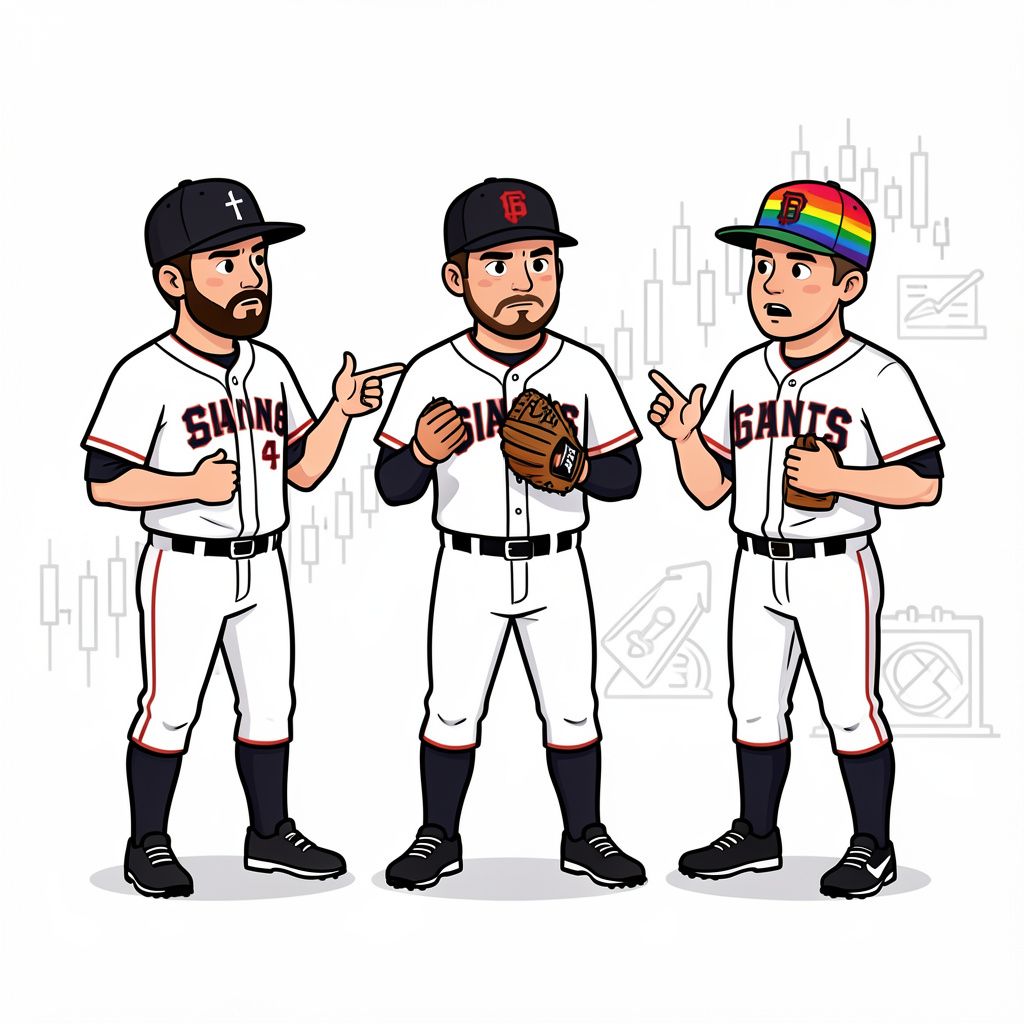
Three San Francisco Giants pitchers sparked national debate by wearing Bible verses on their caps during Pride Night, leading to an MLB warning. The protest, targeting LGBTQ+ inclusion, has divided fans and sponsors, with critics calling it a deliberate act of defiance. The Giants, pioneers of Pride events in sports, now face backlash over their handling of the controversy.
The Protest That Divided Oracle Park
On the evening of June 12, 2026, Oracle Park in San Francisco became the epicenter of a cultural firestorm when four San Francisco Giants pitchers—Landen Roupp, JT Brubaker, Ryan Walker, and Sam Hentges—chose to express their religious beliefs during the team’s annual Pride Night event. Three of the pitchers wore caps inscribed with Bible verses, while Hentges opted for the standard Giants cap, eschewing the rainbow-themed Pride Night design [1][2]. The protest unfolded during a 6-1 loss to the Chicago Cubs, a game where starting pitcher Trevor McDonald allowed a home run on the first pitch and yielded four runs over 3.6 innings [1]. The incident occurred just two days before Major League Baseball (MLB) issued a formal warning to the players involved, citing violations of uniform policy [2].
The Bible Verses and Their Symbolism
Roupp’s cap displayed the verse ‘Gen 9:12-16’ from the King James Version of the Bible, which references God’s covenant with Noah and the rainbow as a sign of that promise [1]. This particular verse has been historically invoked by some Christian leaders to ‘reclaim’ the rainbow symbol from its association with the LGBTQ+ community [3]. Roupp later explained his choice in a statement: ‘It’s just about God’s covenant and a promise that he makes to us that, you know, his faithfulness and his mercy… That’s just kind of something I believe in, and I stand firm in that, and I’m thankful we live in a country where, you know, we have the freedom to believe what we want… and express what we want’ [1]. The timing of the protest—on Pride Night—was particularly contentious, as the Giants were the first MLB team to incorporate rainbow colors into their on-field caps for Pride events in 2021 [2].
MLB’s Warning and League Policy
MLB’s response came swiftly. On June 15, 2026, the league issued a formal warning to the Giants pitchers, with MLB Chief Communications Officer Pat Courtney stating, ‘The writing on the cap violates our rules, and consistent with normal practice, we have warned the players about future violations’ [2]. The warning underscores MLB’s existing policies on player expressions during themed events, though the league is reportedly reviewing these guidelines in light of the incident [2]. The Giants organization, which has been a pioneer in LGBTQ+ inclusion—hosting the first professional sports team game raising awareness and funds for HIV/AIDS in 1994—found itself in an uncomfortable position, issuing a statement on June 13 acknowledging that the players’ choices had caused ‘pain and anger’ while reaffirming the team’s commitment to inclusion [1][2].
Fan and Sponsor Backlash
The backlash from fans and sponsors has been immediate and intense. California State Senator Scott Wiener condemned the protest, stating, ‘To be clear, these players could have cited the rainbow bible verse on any of the other 364 days of the year. Instead, they chose to cite it only on Pride Night & only in connection with the rainbow Giants logo celebrating our LGBTQ community. There’s only one explanation for that choice—a choice the Giants tolerated’ [3]. Giants season-ticket holder reactions have been equally strong, with one fan telling the San Francisco Standard, ‘Now my team is tarnished by a decision of some selfish players’ [5]. The controversy has raised questions about the potential impact on sponsorship deals, particularly with companies that have publicly supported LGBTQ+ rights. While no sponsors have announced changes to their partnerships as of June 16, 2026, the incident has sparked broader discussions about the intersection of religious expression and corporate inclusivity initiatives in professional sports [3].
Clubhouse Reactions and Future Implications
Inside the Giants clubhouse, reactions have been mixed. Logan Webb, the team’s longest-tenured player, defended his teammates’ right to personal beliefs while emphasizing unity: ‘You can’t force anybody. They’re grown-ups, they can make their own decisions… There’s a lot of guys in here that have their personal values and beliefs. It’s a big-league clubhouse. You’ve got guys from different countries, different areas’ [1]. Webb also stressed the importance of focusing on baseball, stating, ‘At the end of the day, I just want to win baseball games. Sometimes those sort of things take away from that’ [1]. Sam Hentges, one of the pitchers involved, revealed that the decision was discussed among ‘other Christians on the team’ and was not motivated by hatred toward the LGBTQ+ community [1]. However, the controversy shows no signs of abating, with a fan-organized protest planned for the Giants’ next home game on June 23, 2026 [3]. The incident has reignited debates about the balance between personal religious expression and team-sponsored inclusivity events, with potential implications for MLB’s uniform policies and team branding strategies moving forward [2][3].