Saudi Air Defenses Intercept Drone Near Mecca Amid Escalating Regional Conflict
Mecca, Wednesday, 16 September 2026.
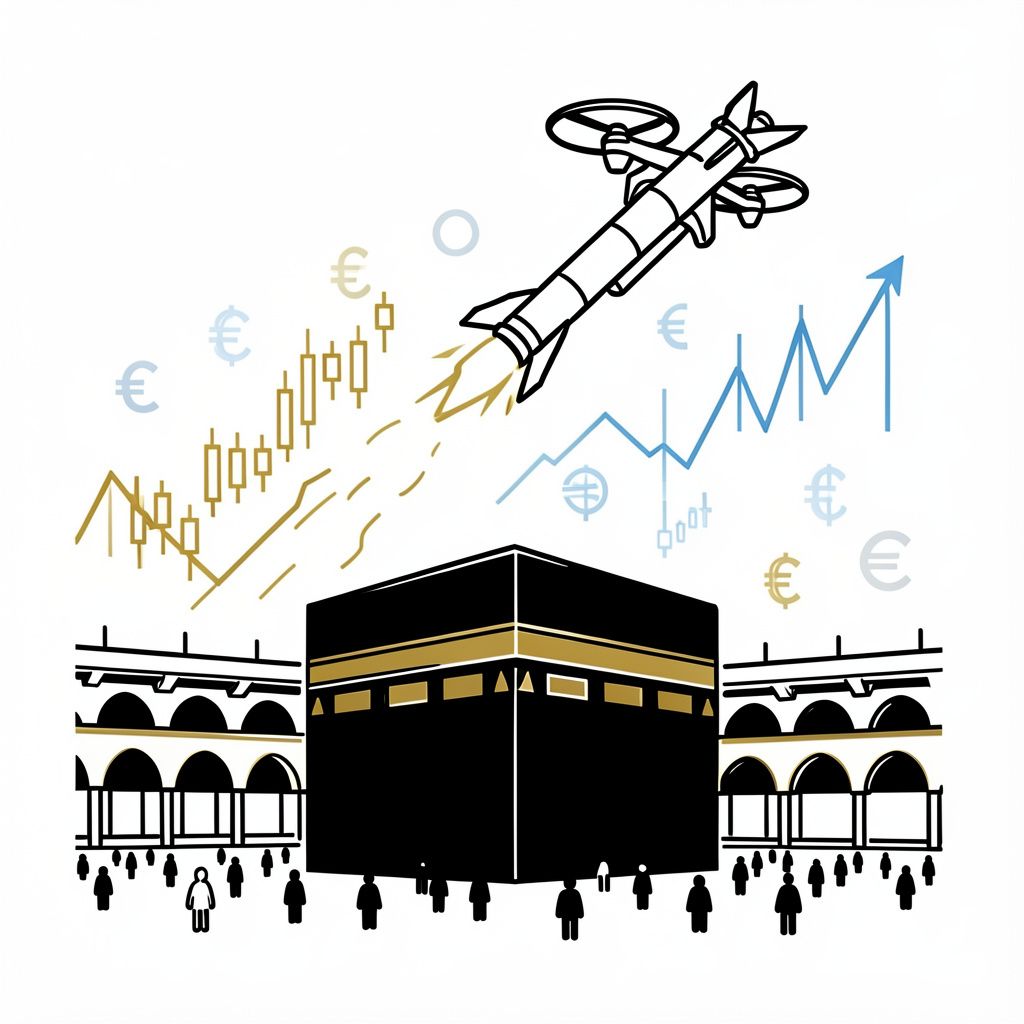
Saudi forces intercepted a Houthi drone near Mecca, triggering the city’s first security alert since 2017 and intensifying threats to regional trade corridors and global energy stability.
Interception Over Holy City
Saudi Arabia’s air defense forces successfully intercepted and destroyed an armed Houthi drone south of Mecca on Tuesday, preventing it from entering restricted airspace [1][2]. The incident triggered security alerts across Mecca, Taif, and Jeddah, marking the first such alert in Mecca since 2017 [1]. Coalition spokesperson Turki al-Maliki confirmed the interception, stating that the security of the two holy mosques and pilgrims remains a red line for the kingdom [2][3].
Escalation of Regional Hostilities
This event represents the second attempted attack on Mecca by Houthi forces, with the previous ballistic missile launch occurring in July 2017 [2][3]. Hostilities had largely halted following a UN-brokered truce in April 2022, but tensions resurged in July 2026 after the Houthis declared a blockade on Saudi shipping [1]. In early September 2026, Iran-aligned Houthi forces increased escalation by launching missiles and drones across Saudi Arabia targeting civilian and economic sites [1][2].
Security and Economic Implications
The security alerts issued on Tuesday were lifted after a few minutes, but the incident underscores persistent risks to regional stability [1]. The Houthis have seized control of parts of Yemen’s Red Sea coast overlooking the Bab al-Mandab, threatening Saudi oil exports rerouted from the Strait of Hormuz [2]. Disruption in this corridor could impact global energy markets, given the strategic importance of the region for maritime transit [2].
Casualties and Coalition Response
Coordinated Houthi strikes on urban areas in Khamis Mushait, Abha, and Taif injured 13 people, prompting a pledge from the Saudi-led coalition to respond firmly [1]. The time elapsed since the previous attempt on Mecca in 2017 is calculated as 9 years [3]. The Organisation of Islamic Cooperation condemned the attack, blaming the Houthis for the aggression against the Kingdom [2].
Pilgrim Safety and Travel Advisories
Saudi Arabia hosted 1.7 million Hajj pilgrims in late May 2026, and between September and October 2025, Mecca received over 11.7 million Umrah pilgrims [1]. Following the alerts, the US embassy issued an advisory to reconsider travel to Saudi Arabia, citing risks of Iranian drone and missile targeting [2]. A Houthi official rejected the claim of targeting Mecca, calling it a worn-out lie, while social media reports confirmed the air defense activity [4].