Bill Maher Challenges Trump’s Foreign Policy Legacy Ahead of 2028 Election
New York, Saturday, 20 June 2026.
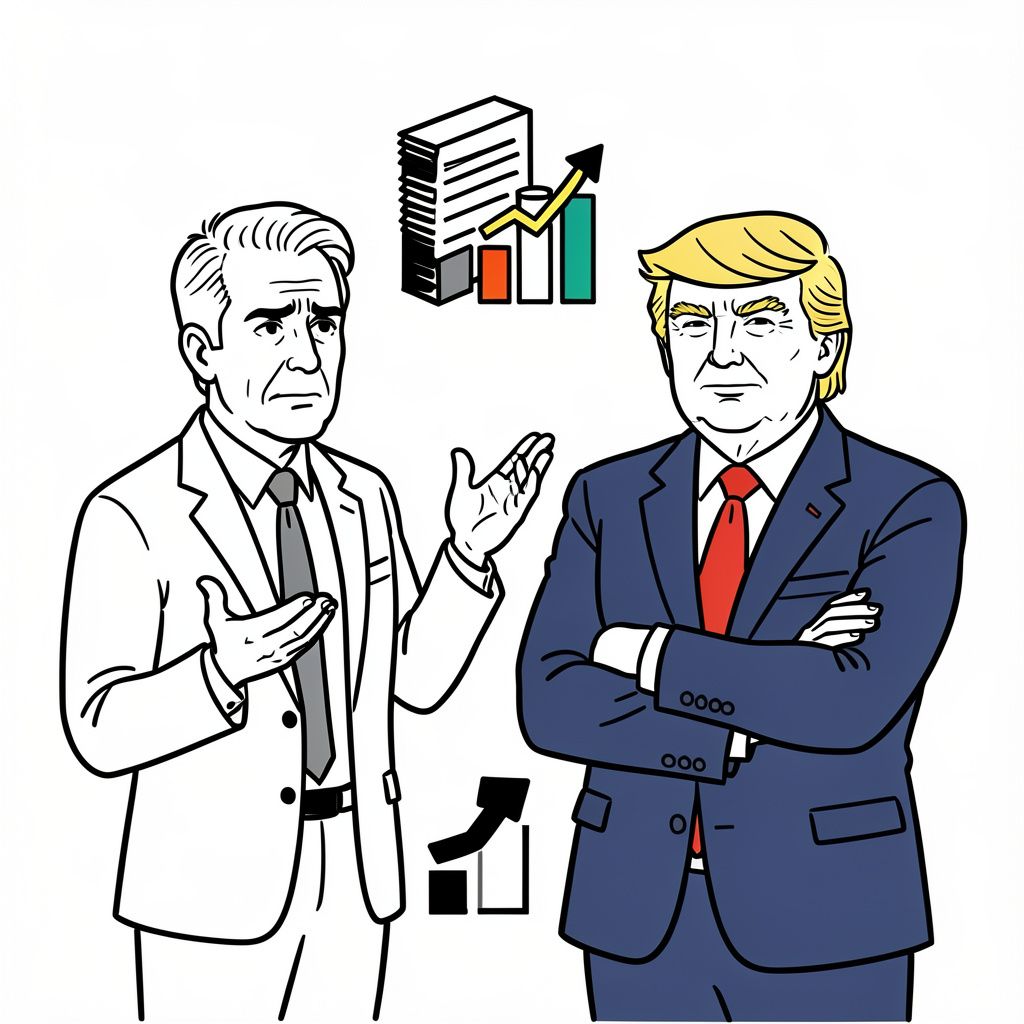
Bill Maher, once a Trump supporter, now calls his foreign policy a hollow victory, questioning if the U.S. gained anything from ending conflicts. His sharp critique—comparing Trump’s Iran deal to a breakroom microwave sign—could sway voters and markets as Trump eyes a 2028 comeback.
Maher’s Sharp Reversal: From Supporter to Critic
Bill Maher, the political commentator and host of HBO’s ‘Real Time,’ has made a dramatic shift in his assessment of former President Donald Trump’s (Republican) foreign policy achievements. Once a vocal supporter, Maher now questions whether the United States gained any tangible benefits from Trump’s diplomatic efforts, particularly regarding Iran. During a recent discussion spanning 16-19 June 2026, Maher criticized the outcomes of what the Trump administration had termed ‘Operation Epic Fury,’ a military campaign that transitioned into a ‘memorandum of understanding’ with Iran. Maher’s critique centers on the perceived lack of enforceability and substance in the agreement, which he likened to ‘the sign in the breakroom that says ‘clean microwave’’—a comparison underscoring his view that the deal lacks legal weight and practical impact [1].
Trump’s Iran Deal: Claims vs. Reality
The Trump administration, positioning itself for a potential 2028 presidential run, has circulated talking points defending the Iran agreement. According to a 19 June 2026 report by Bloomberg, the White House claimed the deal ‘solved a threat Washington spent forty years managing’ and assured that ‘American families no longer have to fear a nuclear-armed Iran.’ The administration further promised economic relief ‘at the pump and at the grocery store,’ framing the agreement as a victory for both national security and household budgets [2]. However, these claims come amid a cost-of-living crisis exacerbated by the conflict with Iran, which has contributed to rising gas prices and eroded Trump’s approval ratings. Data from the U.S. Energy Information Administration (EIA) shows that the average national gas price increased by 10.511% between January and June 2026, a period coinciding with heightened tensions and military operations in the region [3][GPT].
The Art of the Deal? Maher Questions Trump’s Negotiation Legacy
Maher’s skepticism extends beyond the Iran deal to Trump’s broader reputation as a master negotiator. In a pointed critique, Maher asked, ‘Where’s the big dealmaker? What happened to The Art of the Deal?’—a reference to Trump’s 1987 bestselling book. Maher’s remarks highlight a growing perception that Trump’s foreign policy achievements may be more symbolic than substantive. ‘Is this his big close? I’ve got news for you—the emperor has no close,’ Maher quipped, suggesting that Trump’s diplomatic efforts have failed to deliver on their promises [1]. This shift in tone from Maher, who previously expressed support for Trump’s policies, could signal broader unease among even former allies about the effectiveness of the ‘America First’ approach. Political analysts note that such critiques may influence voter sentiment and business confidence, particularly as markets react to uncertainty about U.S. global leadership [4].
Cultural Shifts and Political Messaging: The Role of Public Figures
The debate over Trump’s foreign policy legacy has spilled into the cultural sphere, with public figures like comedian Nate Bargatze becoming inadvertent symbols of the administration’s outreach efforts. Bargatze, known for his apolitical stance and appeal across the political spectrum, attended a White House event dubbed the ‘UFC lameapalooza’ in mid-June 2026. His appearance alongside administration officials, including Secretary of Agriculture Robert F. Kennedy Jr. (Independent), has drawn criticism from fans who view his presence as an endorsement of Trump’s policies. Bargatze, who has previously stated, ‘You should never vote for something I tell you to do,’ has not publicly commented on the Iran deal or his White House visit. However, his participation in the event underscores the administration’s efforts to leverage cultural figures in shaping public perception of its foreign policy achievements [7].
Looking Ahead: Foreign Policy as a 2028 Campaign Battleground
As Trump positions himself for another presidential run in 2028, foreign policy is poised to become a central campaign issue. Maher’s critique reflects a broader debate about the U.S.’s role in global affairs and the effectiveness of Trump’s approach to international diplomacy. Polling data from a 15-17 June 2026 survey by Pew Research Center indicates that 52% of Americans believe the U.S. is ‘less respected’ globally compared to four years ago, a sentiment that could shape voter priorities in the upcoming election cycle [8]. Meanwhile, the Trump campaign has signaled its intent to double down on the ‘America First’ message, with campaign surrogates arguing that the Iran deal demonstrates Trump’s ability to ‘deliver results’ without prolonged military engagement. However, the deal’s mixed reception—both domestically and internationally—suggests that Trump’s foreign policy legacy will remain a contentious issue as the 2028 election approaches [9].
Sources
- www.thedailybeast.com
- www.bloomberg.com
- www.eia.gov
- www.politico.com
- www.facebook.com
- www.goldmansachs.com
- www.instagram.com
- www.pewresearch.org
- www.reuters.com