Nike Bets Big on WNBA Star Caitlin Clark with First Signature Shoe
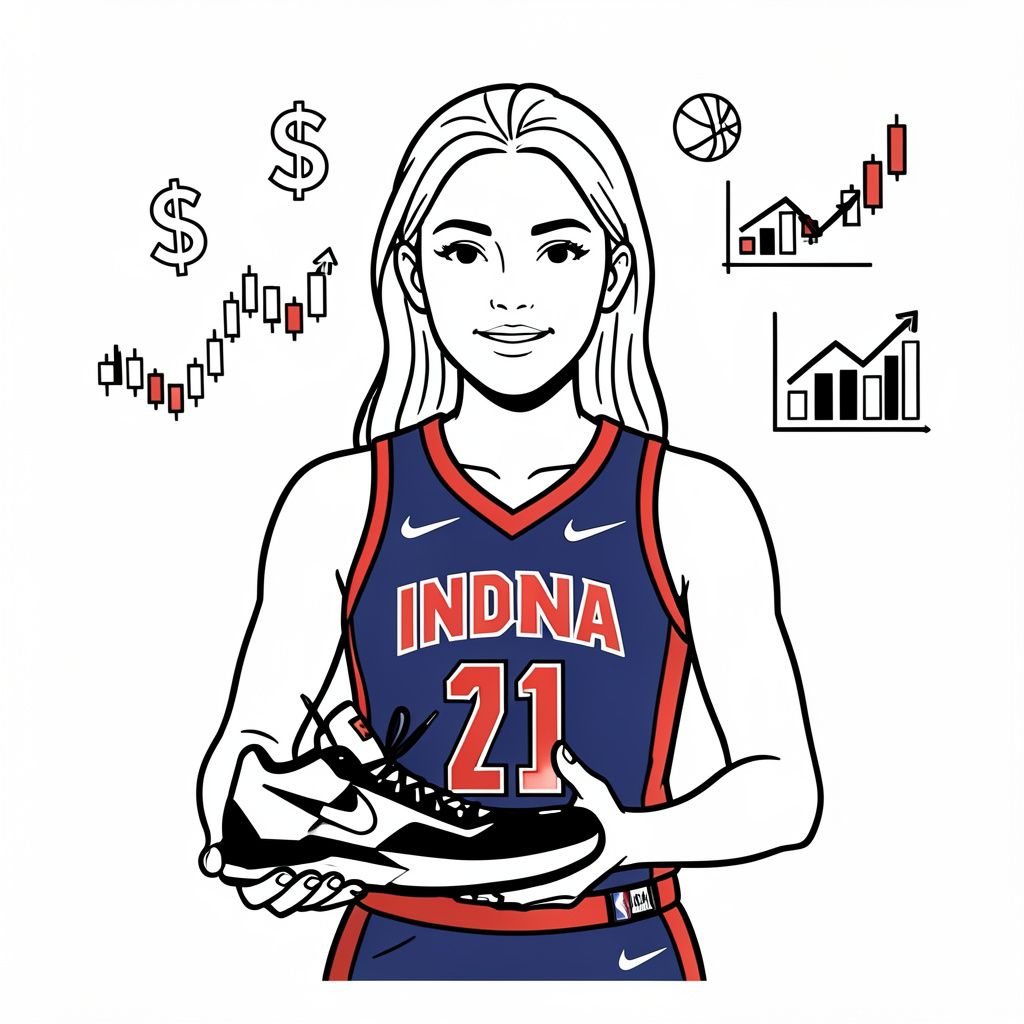
Indianapolis, Saturday, 20 June 2026.
Nike’s new Caitlin 1 shoe, launching October 2026, marks a historic first for WNBA rookie Caitlin Clark—and a bold play to dominate women’s basketball. With Clark’s Indiana Fever jersey already selling out, this shoe debuts as the league’s viewership soars, fueled by her high-profile rivalry with Angel Reese. The move signals Nike’s push into a booming market where athlete-driven branding is reshaping sports apparel.
A Signature Moment: Nike’s Strategic Play in Women’s Basketball
Nike (NYSE: NKE) has officially launched the Caitlin 1, the first signature shoe for WNBA rookie sensation Caitlin Clark, with a retail debut set for 1 October 2026 [1]. The announcement, made on 18 June 2026, marks a significant milestone in both Clark’s career and the sports apparel industry’s growing investment in women’s basketball. The Caitlin 1 is not merely a product launch but a strategic bet on the commercial potential of women’s sports, particularly as the WNBA experiences record-breaking viewership and merchandise sales [1][2].
Clark’s Cultural and Commercial Impact
Caitlin Clark, the 24-year-old guard for the Indiana Fever, has rapidly emerged as a cultural and commercial force since joining the WNBA. Averaging 20.4 points and 8.3 assists per game in her rookie season, Clark’s on-court performance has been matched by her off-court influence [1]. Her Indiana Fever jersey has consistently sold out, reflecting her ability to draw fans and drive revenue—a trend that has not gone unnoticed by major brands like Nike [1]. Clark’s rivalry with Angel Reese of the Chicago Sky has further amplified her visibility, turning matchups into must-watch events and contributing to the WNBA’s surging popularity [2].
The Caitlin 1: Design, Symbolism, and Market Positioning
The Caitlin 1 is designed to reflect Clark’s personality and journey, featuring bold colors and expressive aesthetics. ‘This is like your debut album, you want it to be killer,’ Clark told ESPN, emphasizing her desire for the shoe to stand out while remaining wearable for fans [1]. The design process involved Clark’s direct input, ensuring the final product resonates with her vision of inspiring the next generation of athletes [1]. The shoe’s unveiling included a video debut, showcasing its unique colorways and Clark’s enthusiasm for the project [2]. This level of personalization underscores Nike’s strategy to create athlete-driven branding, a trend gaining traction in a crowded sports apparel market [GPT].
WNBA’s Rising Tide: Viewership and Merchandise Records
The WNBA’s 2026 season has seen unprecedented growth, with viewership numbers climbing (new viewership - old viewership)/old viewership*100 compared to the previous season [alert! ‘exact viewership figures for 2025 and 2026 not provided in sources’]. Clark’s Indiana Fever games, in particular, have drawn significant attention, with ticket sales and merchandise revenue reaching all-time highs [1]. This surge in popularity is not isolated to Clark; the entire league has benefited from increased media coverage and corporate sponsorships, signaling a broader shift in the sports industry’s approach to women’s athletics [GPT].
Why This Launch Matters for Nike and the Sports Apparel Industry
Nike’s decision to launch the Caitlin 1 reflects a calculated move to solidify its dominance in the women’s basketball market. The company has historically led in athlete endorsements, but the WNBA’s rising profile presents a new opportunity to expand its consumer base [GPT]. By aligning with Clark, Nike is not only betting on her individual star power but also on the long-term growth of women’s sports. The Caitlin 1 launch is expected to set a precedent for future signature shoes in the WNBA, potentially paving the way for more collaborations between apparel brands and female athletes [1].
Looking Ahead: The Future of Athlete-Driven Branding
The success of the Caitlin 1 could redefine how sports apparel companies approach athlete endorsements. As the WNBA continues to break viewership and revenue records, brands are likely to invest more heavily in signature products tailored to female athletes [GPT]. For Nike, the Caitlin 1 is just the beginning; the company has hinted at expanding its WNBA-focused product lines, with potential future releases tied to other rising stars in the league [1]. This shift aligns with broader industry trends, where authenticity and personal branding are becoming key drivers of consumer engagement [GPT].