Western Sanctions Force Russia to Halt Yuan Trade Strategy
Moscow, Thursday, 12 November 2026.
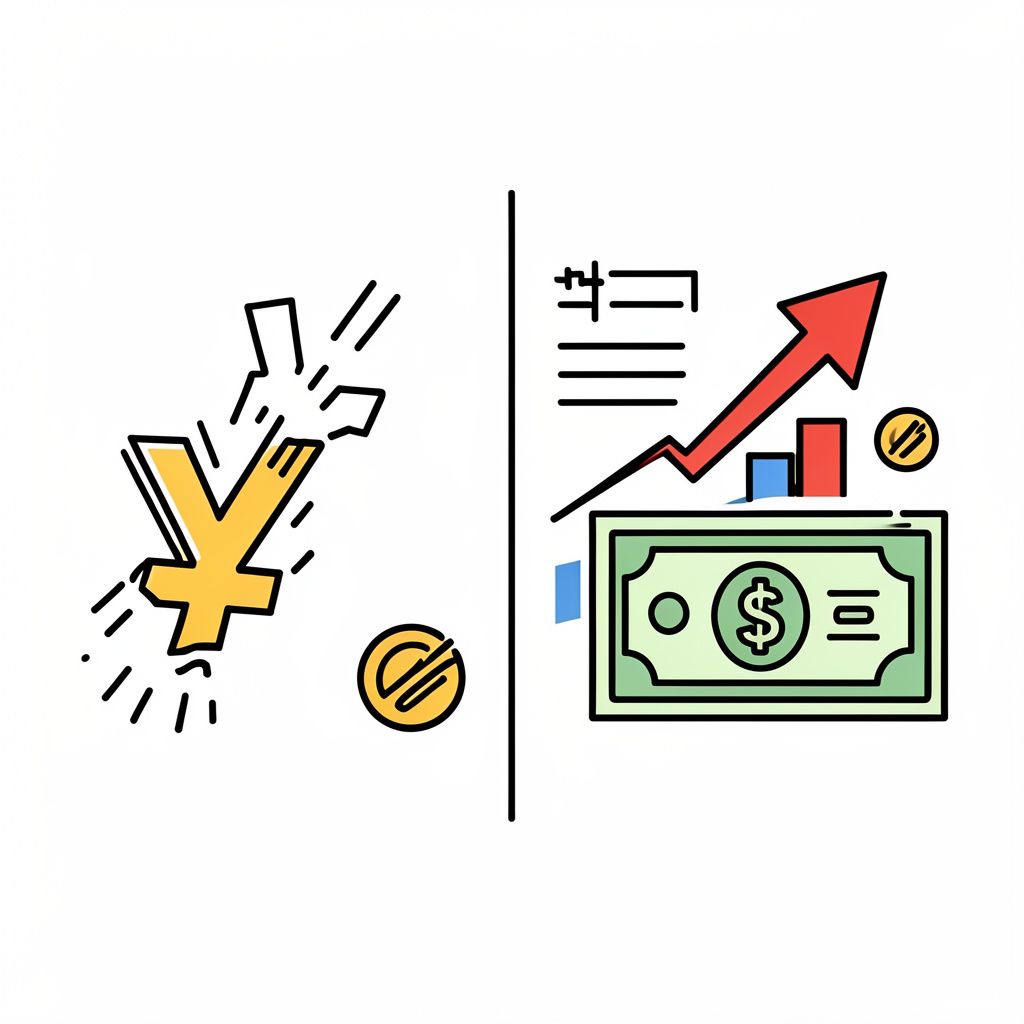
Western secondary sanctions have forced Russian export settlements in Chinese yuan to fall by half to 22%, shifting trade to rubles and leaving the dollar’s global primacy intact.
The Rise and Fall of the Yuan Strategy
Russia’s attempt to pivot away from the U.S. dollar toward the Chinese yuan in international trade settlements has collapsed under the weight of secondary sanctions imposed by the United States. The strategy, which gained significant traction in mid-2024—when the yuan briefly surpassed the dollar as the most traded currency on the Moscow Exchange—has since been scaled back dramatically. By November 2026, the yuan’s share in Russian export settlements had fallen to just 22%, a decline of 50% from its peak [1][5][6]. This reversal highlights the structural fragility of de-dollarization efforts in the face of coordinated Western financial restrictions.
Sanctions as the Catalyst for Reversal
The turning point came in June 2024, when the U.S. expanded secondary sanctions targeting financial institutions and companies facilitating trade with Russia. These measures triggered a cascade of compliance concerns among Chinese banks, many of which opted to sever or restrict ties with Russian counterparts to avoid exposure to U.S. penalties. ‘The risks of secondary sanctions became too great for Chinese financial institutions,’ noted Sergey Ishkov, a partner at MCK Partners. ‘A single misstep could result in losing access to dollar-denominated transactions, which are critical for global banking operations’ [3][6]. The result was a sharp contraction in direct yuan-denominated trade between Russia and China, with many transactions now routed through intermediaries to mitigate risk.
The Rubble Alternative: A Temporary Fix?
In the wake of the yuan’s retreat, Russia has increasingly relied on its own currency for trade settlements, particularly in dealings with Asian partners. As of November 2026, 69% of Russia’s export earnings from Asia are now denominated in rubles, up from negligible levels in 2021 [1][5][6]. While this shift has provided a lifeline for Russian exporters, it is widely viewed as a stopgap measure rather than a sustainable long-term solution. ‘The ruble is not a true alternative to the dollar,’ explained Alexei Kuchmin, CEO of AIR Group. ‘It introduces new layers of volatility and transaction costs, particularly when converting back to other currencies’ [3]. The Central Bank of Russia’s recent purchase of 15.1 billion rubles’ worth of yuan on 10 November 2026—its first such intervention in months—underscores the central bank’s ambivalence about the currency’s role [4].
The Dollar’s Unyielding Dominance
Despite Russia’s aggressive pursuit of de-dollarization, the U.S. dollar remains the undisputed leader in global trade settlements. As of October 2026, the dollar accounted for 70% of international payments, while the yuan’s share languished at 5–7%—even after accounting for China’s Cross-Border Interbank Payment System (CIPS) and domestic transactions [7]. ‘The dollar’s dominance is not just a matter of habit; it’s a reflection of the depth and liquidity of U.S. financial markets,’ said Pan Gongsheng, governor of the People’s Bank of China [7]. For Russian businesses, the continued reliance on the dollar is a bitter irony. While the Kremlin sought to reduce exposure to Western sanctions by abandoning the greenback, the absence of viable alternatives has forced many to revert to dollar-denominated contracts or face severe disruptions in supply chains.
The Human Cost: Logistics and Compliance
The collateral damage of Russia’s failed yuan strategy extends beyond currency markets. Businesses engaged in trade with China now face exorbitant compliance costs, with intermediaries charging fees of 15–20% of transaction values to facilitate payments [1][8]. ‘It’s no longer a routine operation to pay suppliers in China,’ lamented a spokesperson for STA SiberiaTransAsia Group. ‘Delays, frozen funds, and outright rejections are commonplace, forcing companies to navigate a labyrinth of compliance checks and third-party networks’ [8]. The logistical nightmare is compounded by the fact that many Chinese banks now require pre-approval for transactions involving Russian entities, a process that can take weeks. For industries reliant on just-in-time supply chains, such delays are catastrophic.
Geopolitical Implications: A Pyrrhic Victory for the West
The collapse of Russia’s yuan strategy represents a strategic victory for the U.S. and its allies in their campaign to isolate Moscow economically. By leveraging secondary sanctions, Washington has effectively neutralized one of Russia’s most ambitious attempts to circumvent Western financial dominance. However, the victory is bittersweet. The dollar’s enduring strength has been reaffirmed, but the episode has also exposed the vulnerabilities of a unipolar financial system. ‘The sanctions have worked, but they’ve also accelerated the fragmentation of the global financial order,’ noted Bloomberg Economics. ‘Countries like Russia and China are now more determined than ever to build alternative systems, even if they’re not yet viable’ [2][6]. The long-term consequences of this shift—particularly for the euro and the yuan—remain uncertain, but one thing is clear: the dollar’s reign is not absolute.
The Road Ahead: Fragmentation or Coexistence?
Looking ahead, the financial landscape appears increasingly fragmented. While the dollar remains dominant, its share of global trade payments has slipped from 80% in 2020 to roughly 70% in 2026, according to SWIFT data [GPT]. The yuan, once touted as a potential challenger, now holds a mere 5–7% of international payments, down from its 2024 peak [7]. For Russia, the immediate priority is to stabilize its currency and restore confidence in cross-border trade. The Central Bank’s intervention in the yuan market suggests a cautious willingness to stabilize the ruble, but without structural reforms, the currency’s long-term prospects remain precarious. ‘Russia’s economy is now caught between a rock and a hard place,’ observed Kuchmin. ‘Neither the dollar nor the yuan offers a safe haven, and the ruble is too volatile to serve as a reliable alternative’ [3]. The coming months will reveal whether Moscow can carve out a new path—or whether it will be forced to revert to the dollar by default.
Sources
- newizv.ru
- www.finversia.ru
- www.kommersant.ru
- www.agenzianova.com
- www.profinance.ru
- www.finmarket.ru
- www.agenzianova.com
- www.finversia.ru