Medicare Initiates CBD Coverage for Seniors Despite Major European Safety Warnings
Washington, Sunday, 10 May 2026.
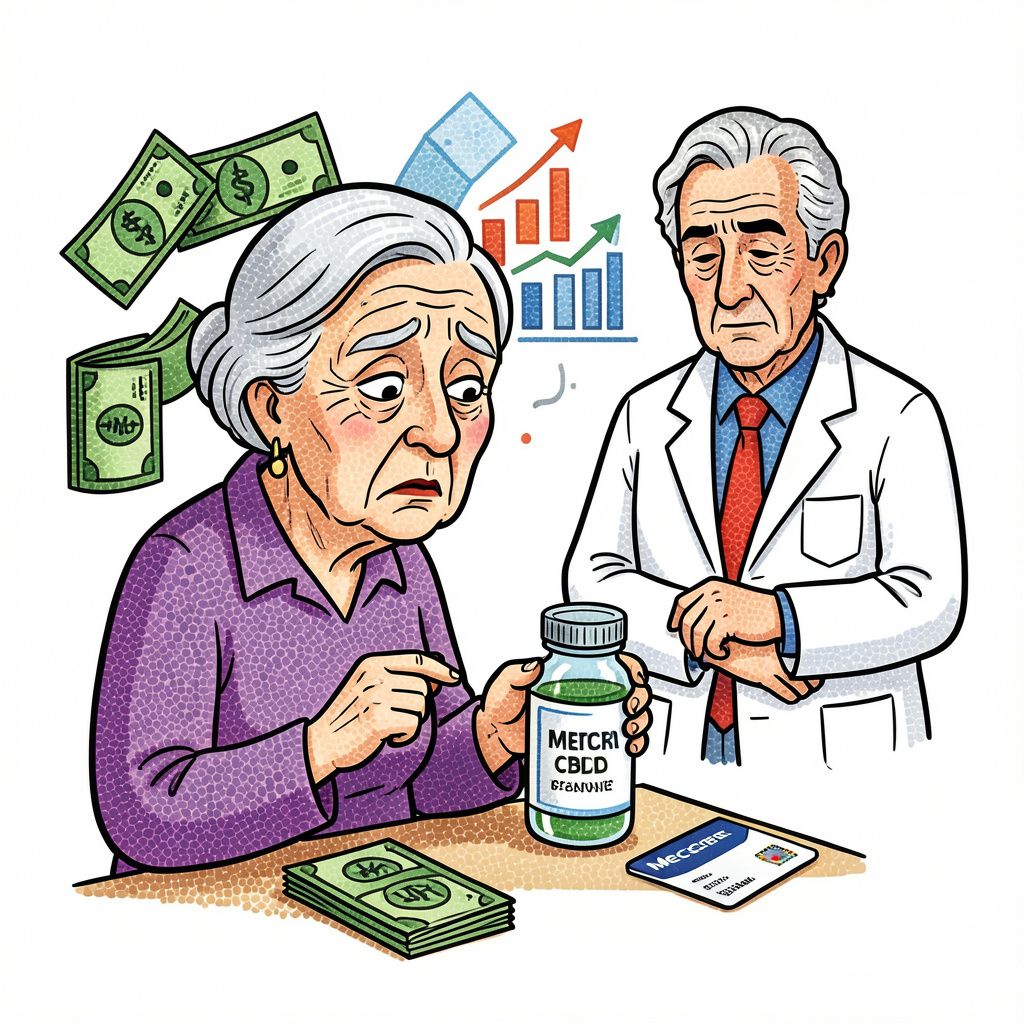
Medicare now offers seniors annual CBD allowances, even as top European scientists warn they cannot verify the safety or chemical composition of these federally unapproved treatments.
A Fundamental Shift in Healthcare Policy
As of May 10, 2026, the Centers for Medicare and Medicaid Services (CMS) has officially activated coverage allowing American seniors to claim up to $500 per year for hemp and marijuana-derived CBD products [1]. This implemented policy stems from the Substance Access Beneficiary Engagement Incentive (BEI) program, which was initially launched by the CMS Innovation Center in April 2026 [1]. The initiative has garnered high-profile political backing; Republican President Donald Trump has actively championed the program, framing it as a vital avenue for seniors to secure pain relief without relying on highly addictive opioids [1][GPT]. However, this unprecedented inclusion of cannabinoid products into federal healthcare infrastructure bypasses traditional drug safety protocols, as the program was created independently of the Food and Drug Administration (FDA) [1].
European Regulators Raise Red Flags
The federal government’s leap into cannabinoid subsidization coincides directly with severe warnings from European health authorities. In March 2026, the European Food Safety Authority (EFSA) published a comprehensive review of CBD hemp extract produced by Charlotte’s Web, currently the largest CBD company in the United States and a key supplier positioned to benefit from the new Medicare program [1]. The EFSA concluded definitively that the safety of the product “cannot be established,” noting that between 20% and 30% of the ingredients within the extract could not even be identified by scientists [1].
The Legal Battle Over FDA Authority
This regulatory dissonance has triggered immediate legal action. A federal lawsuit, Smart Approaches to Marijuana (SAM), et al. v. Robert F. Kennedy Jr., et al. (Case No. 1:26-cv-01081), is currently challenging the legality of the CMS program, arguing that defining and approving therapeutic products is a role historically and legally reserved for the FDA [2][6]. The inclusion of Robert F. Kennedy Jr. as a defendant highlights the political and institutional friction surrounding the administration’s health policy [2][GPT]. On May 2, 2026, Matthew C. Zorn, Deputy General Counsel for the U.S. Department of Health and Human Services, appeared in court to defend the government’s stance, despite his own previous legal arguments asserting that “accepted medical use” must be determined strictly through the FDA approval framework [5].
Industry Implications and Future Uncertainty
Despite the legal uncertainty, the domestic cannabis industry is rapidly mobilizing to capitalize on the Medicare infrastructure. In March 2026, Cornbread Hemp secured a massive contract to supply its CBD products to a purchasing network that serves 68,000 healthcare provider locations across the United States, a move its co-founder described as “an extraordinary leap of faith” [1]. Medical professionals are now caught in the middle; clinicians note that the current situation places patients in a “regulatory limbo,” emphasizing the need for the system to distinguish between legitimate pharmaceutical candidates worthy of rigorous trials and consumer products making unsubstantiated claims [7].
Sources
- www.newswire.com
- www.morningstar.com
- www.midfloridanewspapers.com
- www.instagram.com
- www.accessnewswire.com
- www.newswire.com
- cedclinic.com