Tesla Proposes Ten Billion Dollar Texas Solar Factory to Fuel Artificial Intelligence Growth
Austin, Sunday, 16 August 2026.
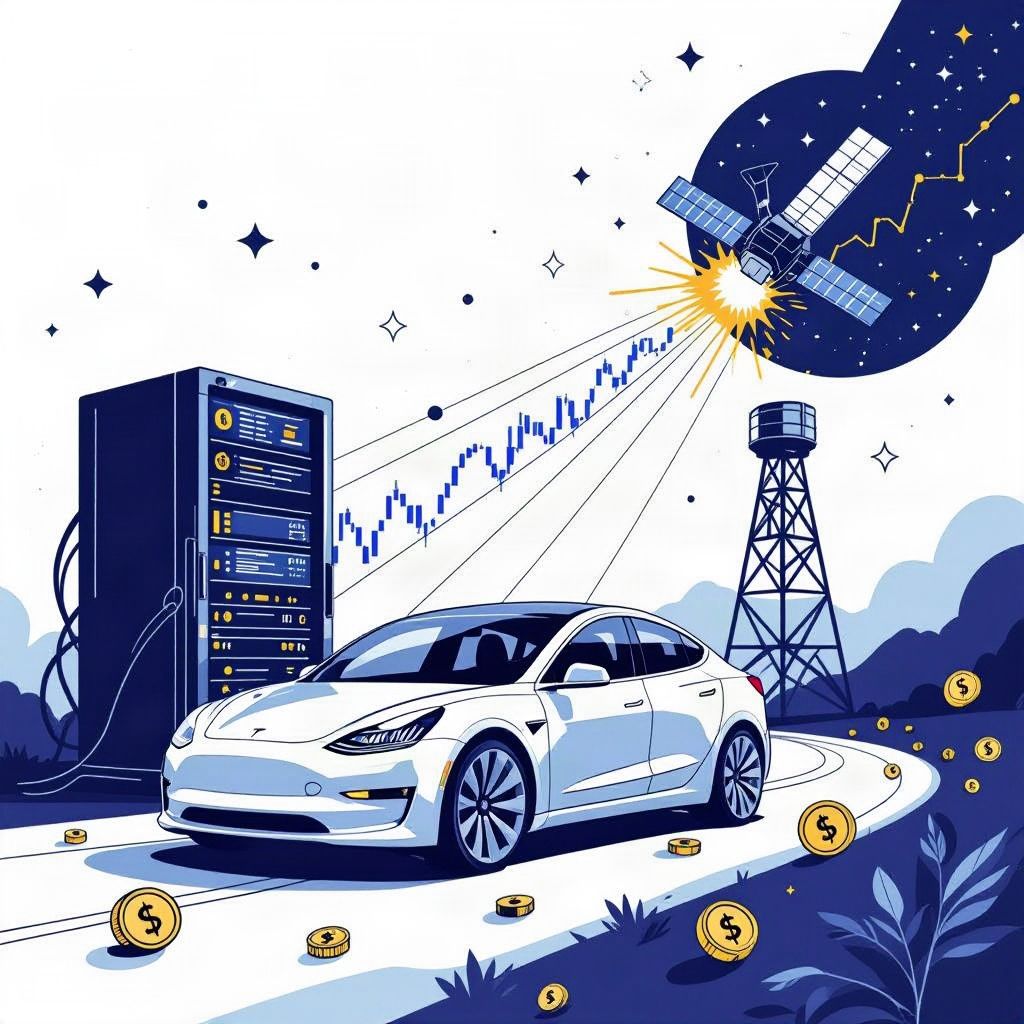
Tesla has filed plans for a $10.1 billion Texas solar plant, aiming to generate power for expanding artificial intelligence operations and potential space-based data centers starting in 2029.
Project Crystal Sun Specifications and Timeline
Tesla Inc. (NASDAQ: TSLA) formally submitted an application for Project Crystal Sun on July 22, 2026, targeting a suburban area near Houston, Texas [1]. The proposed facility represents a capital expenditure of $10.1 billion and aims to establish vertically integrated manufacturing from polysilicon to finished solar cells [2]. According to filings, the project intends to break ground in 2026 with completion scheduled for 2028 [3]. Mass production is targeted to commence in the first quarter of 2029, aligning with the company’s broader energy capacity goals [1]. Upon full operation, the facility is expected to employ approximately 9,712 permanent workers, alongside creating up to 1,147 construction jobs through 2028 [1]. The site selection process remains active, with the company exploring alternative locations across multiple U.S. states if incentive requirements are not met [3].
Strategic Alignment with AI and Space Infrastructure
The expansion underscores a strategic pivot to secure dedicated clean energy supplies for escalating artificial intelligence infrastructure demands [1]. Elon Musk has linked solar cell production directly to support space-based AI data centers, citing space as the lowest-cost location for such operations within a three-year timeframe [1]. This initiative complements significant prior expenditures, including a $16.8 billion investment in microchips and computing power [1]. SpaceX, also led by Musk, reported $15.8 billion in AI-related capital expenditure during the second quarter of 2026, highlighting the scale of concurrent investment [1]. The combined capital commitment for solar and chip infrastructure totals 26.9 billion, reflecting a substantial consolidation of energy and computing assets [1]. Additionally, anticipation surrounds potential synergies with SpaceX-developed thrusters for future vehicle projects, further integrating the companies’ technological roadmaps [5].
Financial Incentives and Market Implications
Tesla is seeking a 10-year property tax break as a primary investment incentive for the Texas project [1]. Without these incentives, company accountants estimated the property tax liability would reach approximately $1.1 billion over 37 years, equating to an annual burden of 0.03 billion [3]. Market reaction has been mixed, with some analysts noting recent earnings misses and highlighting risks associated with heavy capital expenditure impacting free cash flow [4]. While consensus projections suggest annual revenue growth of approximately 6.8% by 2029, bullish narratives focus on potential high-margin energy and autonomy services [5]. Effective December 4, 2026, new U.S. minimum import price floors for solar goods will enact, potentially influencing supply chain costs for polysilicon and modules [1]. Investors are monitoring how these macroeconomic factors intersect with Tesla’s long-term financial projections of $149.5 billion in revenue by 2029 [5].