Venezuela's Acting President Defies EU Sanctions to Defend Oil-Rich Essequibo Claim in The Hague
The Hague, Sunday, 10 May 2026.
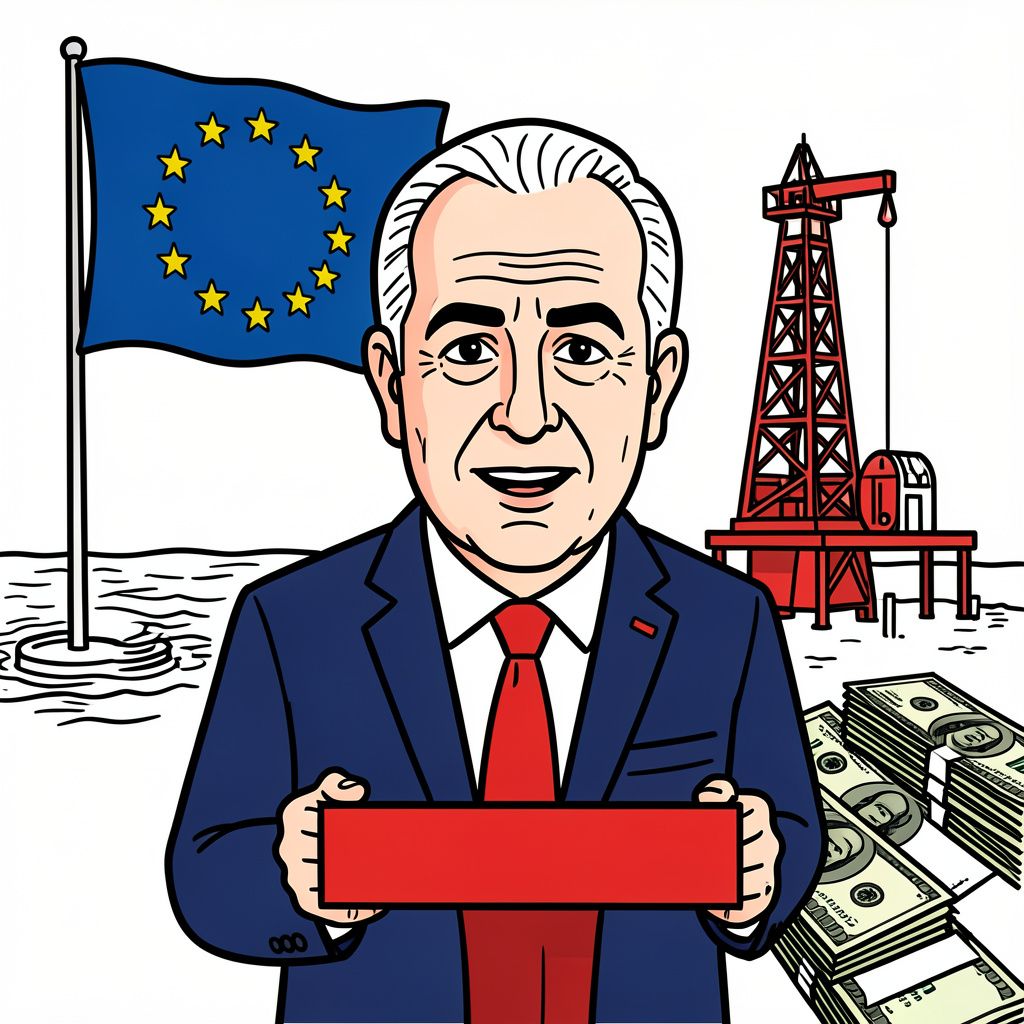
Defying EU sanctions, Venezuela’s acting president arrived in The Hague to claim the 160,000-square-kilometer Essequibo region, escalating a border dispute that poses significant risks to global oil markets.
A High-Stakes Diplomatic Mission Amidst Sanctions
Acting Venezuelan President Delcy Rodríguez arrived in the Netherlands on Sunday, May 10, 2026, to represent Caracas at the International Court of Justice (ICJ) [1][2]. Her presence in Europe is notable given that she remains on a European Union sanctions list alongside 68 other Venezuelan officials, penalized for alleged democratic subversion and human rights violations [1]. However, individuals attending ICJ proceedings are traditionally granted special legal protections, facilitating her travel [3]. This diplomatic mission marks Rodríguez’s first official journey outside the Caribbean since assuming the acting presidency following the abduction of Nicolás Maduro by United States forces in January 2026 [3][6].
The Economic Weight of the Essequibo Region
The Essequibo region encompasses approximately 160,000 square kilometers of resource-rich land [1][4][6]. This vast expanse accounts for two-thirds of Guyana’s total administered territory [3]. While the dispute is centuries old, geopolitical tensions escalated sharply in 2015 after multinational energy corporation ExxonMobil discovered massive offshore oil deposits in the region [3][4]. These discoveries have transformed Guyana—a nation with a population of less than one million—into the holder of the largest per capita crude oil reserves globally [3]. Consequently, the legal outcome at the ICJ carries profound operational and regulatory implications for global energy markets [GPT].
Shifting Geopolitical Sands in South America
Rodríguez’s leadership comes at a time of significant economic and political transition for Venezuela. Following her assumption of the acting presidency, the United States lifted its sanctions against her [3]. In a strategic pivot, her administration has complied with several key U.S. demands, including halting oil shipments to Cuba, releasing political prisoners, and opening Venezuela’s historically isolated state-owned oil industry to foreign investment [3]. Despite these concessions, Rodríguez must maintain a delicate balance with Venezuela’s influential military and internal security apparatus, which maintain a hardline stance on the Essequibo sovereignty claim [3].