Global Oil Markets Brace for Volatility as Iran Re-Closes the Strait of Hormuz
Tehran, Saturday, 18 April 2026.
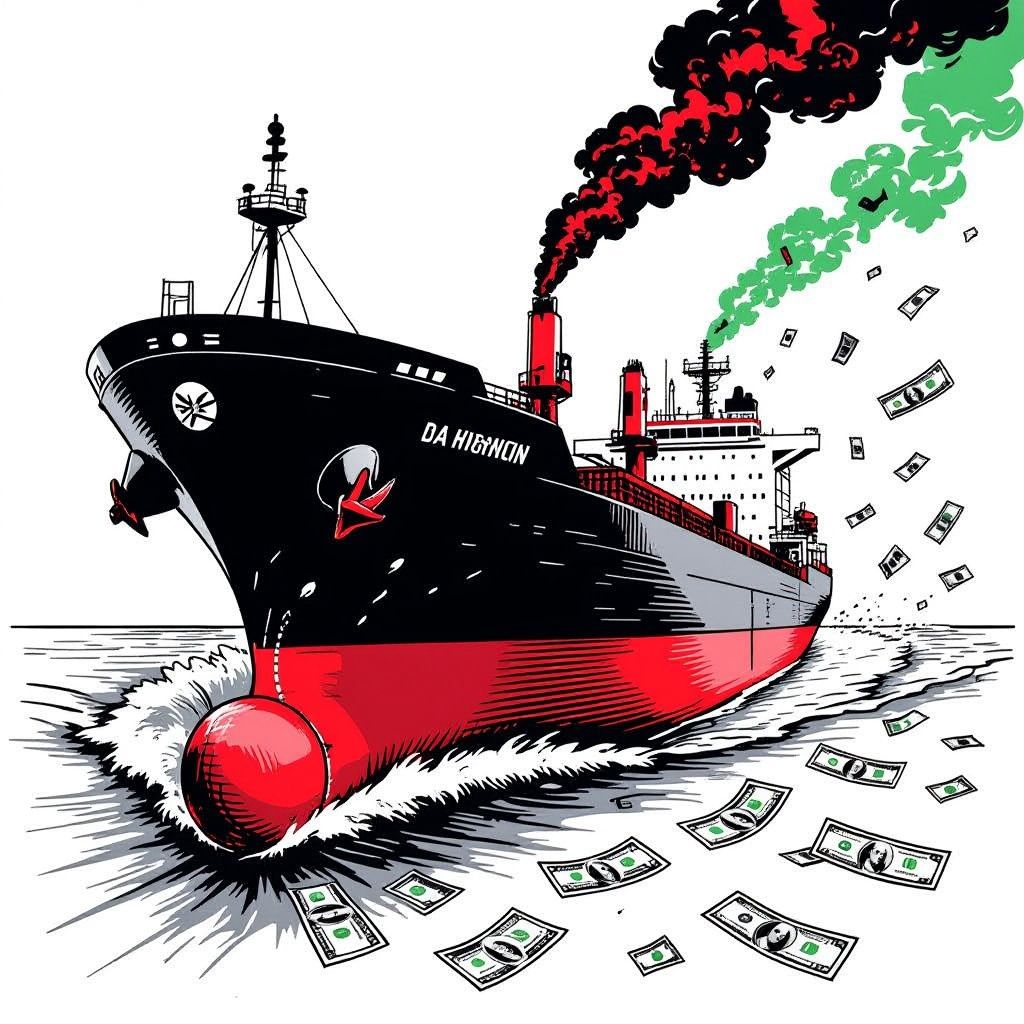
Following a brief reopening that dropped crude prices 10 percent, Iran abruptly re-closed the Strait of Hormuz on Saturday, leveraging the vital energy chokepoint against ongoing U.S. blockades.
Short-Lived Market Relief
As previously reported, global markets experienced a brief moment of euphoria when oil prices plummeted 11% after Iran temporarily reopened the Strait of Hormuz on Friday, April 17, 2026, amid a 10-day U.S.-brokered ceasefire between Israel and Lebanon [1]. However, this critical relief for energy markets was remarkably fleeting. By Saturday, April 18, the Iranian state broadcaster IRIB confirmed that the vital shipping lane had been closed once again to commercial traffic, mandating that any maritime passage now requires explicit Iranian authorization [2].
A Geopolitical Standoff and Blockade Dynamics
The rapid reversal in maritime policy stems directly from an ongoing standoff over a United States naval blockade of Iranian ports [3]. Iranian parliamentary speaker Mohammad Bagher Ghalibaf explicitly warned that the waterway would not remain open if the U.S. blockade persisted [3]. While President Donald Trump stated to AFP on April 17 that a broader U.S.-Iran peace agreement was “very close” and claimed Tehran had agreed to surrender its enriched uranium [4], he simultaneously insisted that the naval blockade would remain firmly in place until the bilateral transaction was “100% complete” [3][5].