Trump Signals Imminent Peace Deal as Iran Agrees to Surrender Enriched Uranium
Washington, D.C., Friday, 17 April 2026.
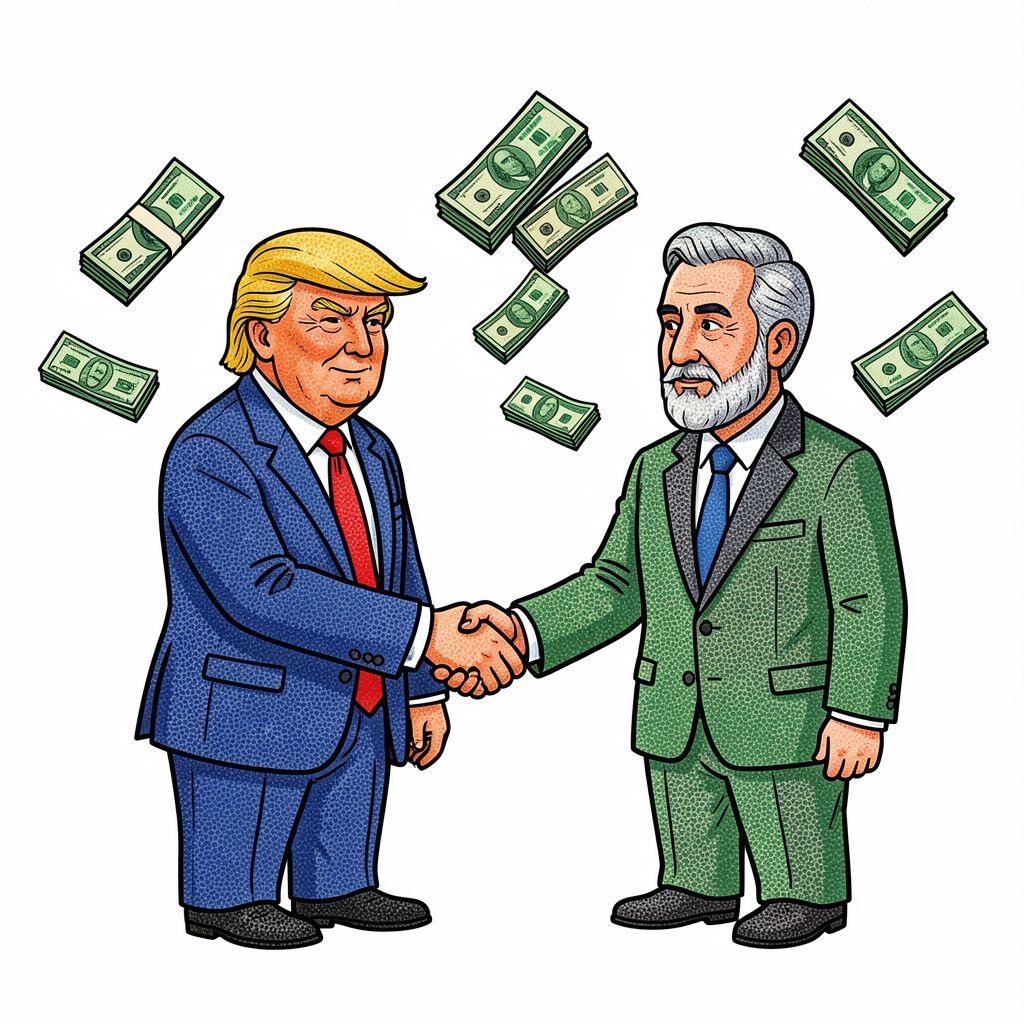
President Trump claims Iran will surrender its enriched uranium stockpile. This diplomatic breakthrough aims to end a six-week conflict, potentially stabilizing volatile global energy markets and international shipping.
Shifting Tides in Diplomatic Negotiations
Following the collapse of peace talks on April 12, 2026, which prompted the United States to impose a naval blockade on the Strait of Hormuz and drove crude oil prices up by 8% to $104 per barrel (an increase from approximately $96.296 per barrel), the geopolitical landscape has shifted dramatically [1][6]. On April 16, 2026, President Donald Trump announced that Washington and Tehran are now “very close” to a peace agreement to end the six-week conflict that began on February 28, 2026 [2]. Speaking to reporters on the White House lawn before departing for Nevada and Arizona, the President claimed that Iran has agreed to surrender its stockpile of highly enriched uranium, a critical development that could rapidly stabilize volatile global energy markets [8].
Unconventional Envoys Under Scrutiny
The diplomatic maneuvering is being spearheaded by a uniquely assembled U.S. delegation. Vice President JD Vance is leading the negotiations, accompanied by real estate businessmen Jared Kushner and Steve Witkoff [7]. This team composition has drawn sharp criticism from veteran diplomats; Aaron David Miller, a former U.S. State Department Middle East negotiator, gave the Kushner-Witkoff pairing an “F in diplomacy,” citing their lack of regional expertise and previous stalled negotiations [7]. Despite the criticism, Vice President Vance maintained that if America’s “red lines” regarding Iran’s nuclear ambitions are satisfied, a highly beneficial bilateral agreement could be reached [5].
Looming Deadlines and Global Pressures
Time remains a critical factor as the current U.S.-Iran ceasefire is scheduled to expire on April 22, 2026 [6][8]. President Trump has issued a stark warning that if a final deal is not secured, military engagements will resume, echoing Defense Secretary Pete Hegseth’s earlier threat of renewed blockades and infrastructure bombings [2][3]. However, the President also noted he could extend the deadline if negotiations continue to progress favorably, even expressing a willingness to travel to Islamabad to personally sign the finalized treaty alongside Pakistani leadership [3][8].