Oil Prices Plunge 11% as Iran Reopens Strait of Hormuz During Ceasefire
Tehran, Friday, 17 April 2026.
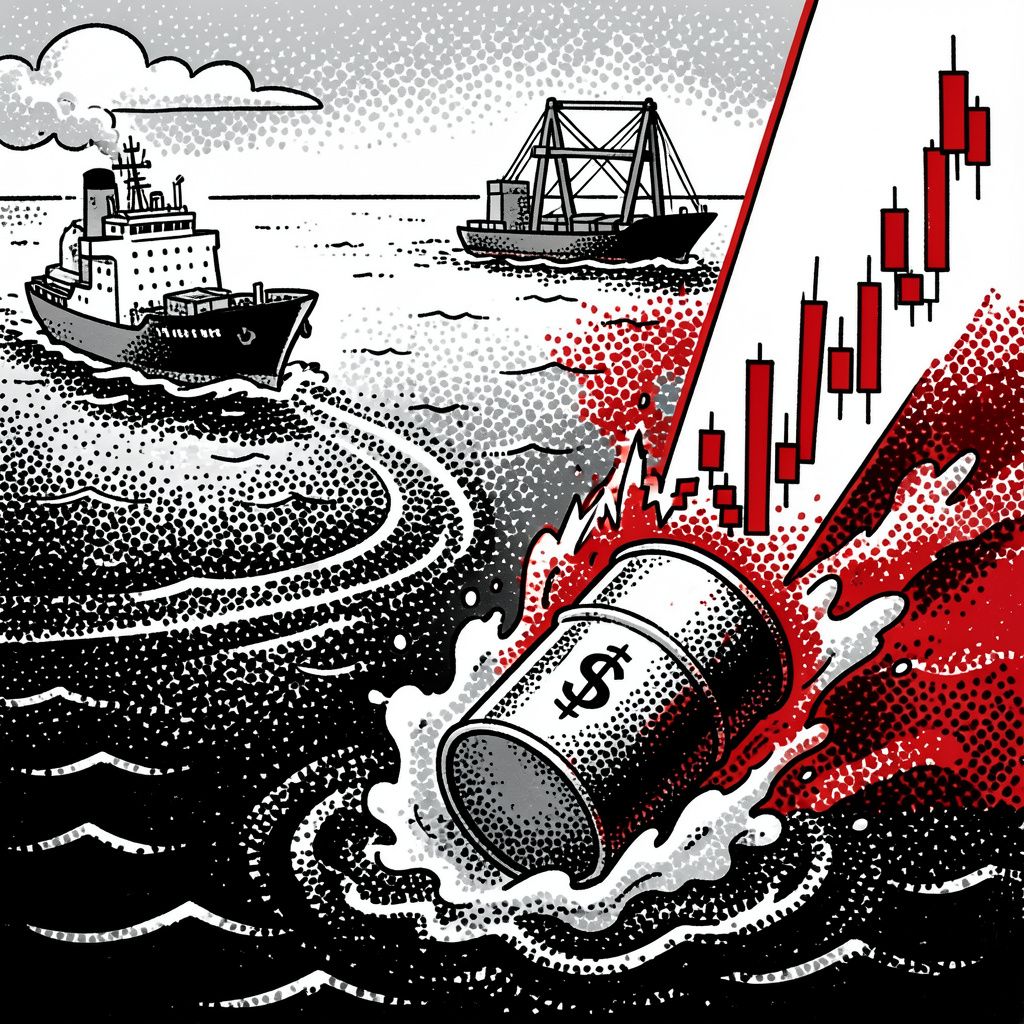
Global oil prices plummeted 11% after Iran reopened the Strait of Hormuz on April 17, 2026, offering immediate relief to energy markets amid the Israel-Lebanon ceasefire.
Navigating a Fragile Thaw
The reopening of this critical maritime artery is intrinsically linked to the broader geopolitical theater. On April 16, Israel and Lebanon agreed to a 10-day ceasefire, temporarily halting a conflict that has been a major sticking point in negotiations between Washington and Tehran [2][4]. U.S. President Donald Trump publicly acknowledged the concession, thanking Iran via social media for allowing full passage through the strait [2][4].
The Supply Chain Imperative
The stakes for global commerce cannot be overstated. In peacetime, the Strait of Hormuz facilitates the transit of nearly 20% of the world’s traded oil and 30% of global fertilizer supplies [3]. The recent blockade and subsequent Iranian retaliation, which included a halt on petrochemical exports, had threatened to severely disrupt global supply chains and inflate food prices across the United Arab Emirates, Qatar, and Bahrain [3][5].
Looking Toward Long-Term Recovery
While the immediate crisis in the Strait of Hormuz has been temporarily defused, the economic scars of the conflict will require substantial time to heal. Since the U.S. and Israel initiated strikes on February 28, the human toll has been devastating, with over 3,300 casualties in Iran and more than 2,100 in Lebanon [4]. The infrastructure damage is equally profound; International Energy Agency Executive Director Fatih Birol warned on April 17 that it could take approximately two years for Middle Eastern energy output to return to pre-war levels [4].