Unprecedented FDA Testing Secures Confidence in US Infant Formula Supply
Washington, Wednesday, 29 April 2026.
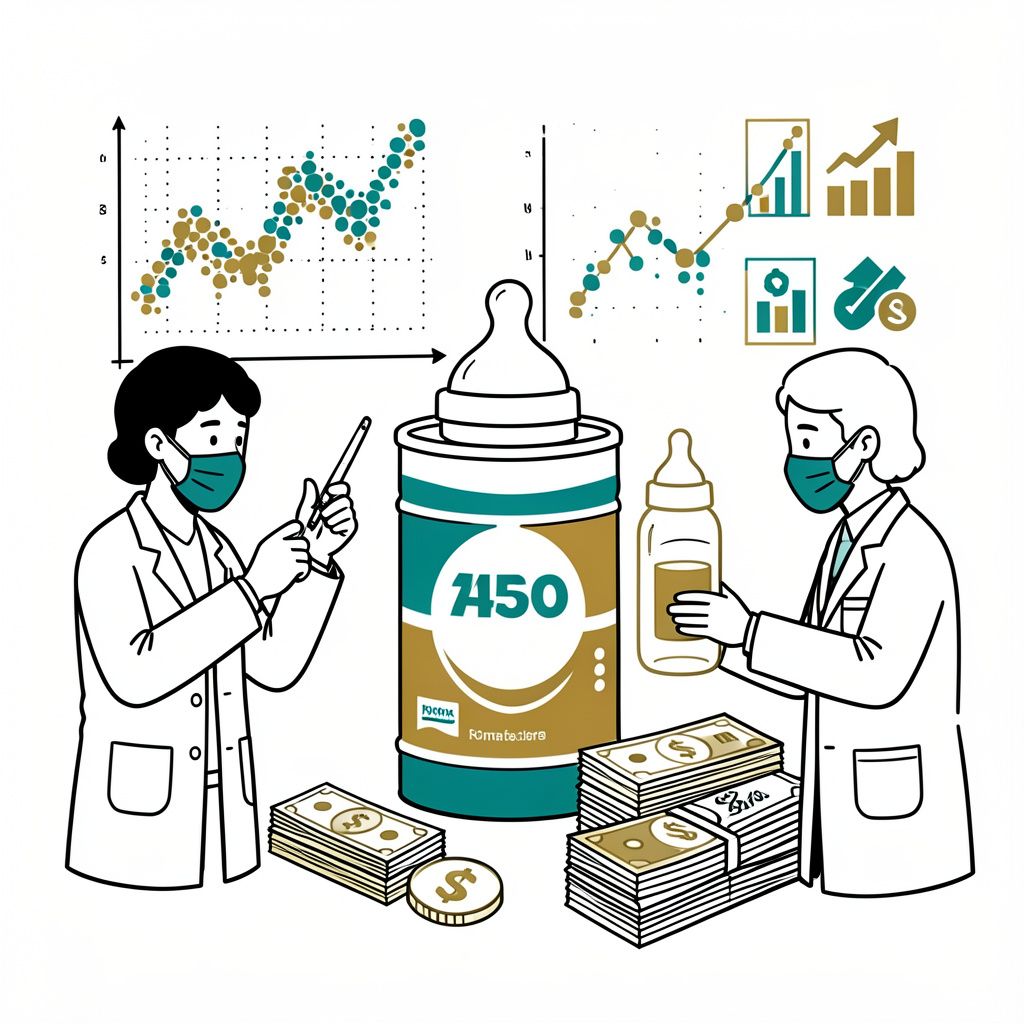
Analyzing over 120,000 data points from 300 products, the FDA’s largest-ever infant formula study confirms exceptionally low contaminant levels, ensuring critical market stability and consumer safety.
A Data-Driven Mandate for Market Confidence
On April 28 and 29, 2026, the FDA released the comprehensive findings of its market basket survey, conducted between 2023 and 2025 as part of “Operation Stork Speed” [1][2][3]. The agency analyzed 312 formula samples across 16 different brands, encompassing powdered, liquid concentrate, and ready-to-feed products [2][3]. Generating over 120,000 individual data points, the rigorous study screened for heavy metals, 30 types of per- and polyfluoroalkyl substances (PFAS), phthalates, and 318 different pesticides [1][2][3]. The initiative was deliberately designed to encompass a wide array of protein sources, including cow’s milk, soy, and amino acid-based formulas, ensuring a comprehensive overview of the retail landscape [2].
Stabilizing a Historically Volatile Sector
For the consumer goods sector, this regulatory validation arrives at a critical juncture. The infant formula market has faced severe headwinds and reputational challenges in recent years. In November 2025, the industry was shaken by a voluntary recall of ByHeart Whole Nutrition Infant Formula linked to a potential Clostridium botulinum outbreak, which severely impacted consumer trust [5]. Additionally, a 2025 report published by Consumer Reports alleged concerning levels of heavy metals in 41 formulas, sparking widespread parental anxiety and subsequent market volatility [3]. By delivering empirical evidence that the formula supply is safe, the FDA is helping to stabilize a sector historically prone to panic-buying and stockouts [GPT].
Navigating Trace Contaminants and Health Expert Debates
Despite the overwhelmingly positive top-line data, the presence of trace chemicals remains a focal point for some health advocates and risk assessment teams. The FDA’s advanced analytical methods, which measure in parts per trillion, did detect some PFAS compounds, such as PFOS, in roughly 50 percent of the samples at very low concentrations [2]. Phthalates, such as DEHP, were also found in a minority of the products, occasionally exceeding EPA drinking-water thresholds [3]. The FDA has clarified that minute contaminants often occur naturally in the soil and water where ingredients are sourced, stressing that mere detection of a chemical does not automatically equate to a safety hazard [2].
The Regulatory Roadmap for Manufacturers
Looking ahead, the FDA is transitioning from broad market assessment to active risk management under its “Closer to Zero” initiative [1][2]. The agency plans to continue its rigorous oversight, working directly with manufacturers to identify and mitigate contamination sources within complex ingredient supply chains and production processes [2]. The FDA has formally committed to conducting further analyses to assess the potential harm of detected phthalates and PFAS, while also working to develop federal limits for heavy metals in infant formula [3].