Nationwide Chocolate Recall Exposes the Severe Risks of Packaging Errors
Washington D.C., Monday, 27 April 2026.
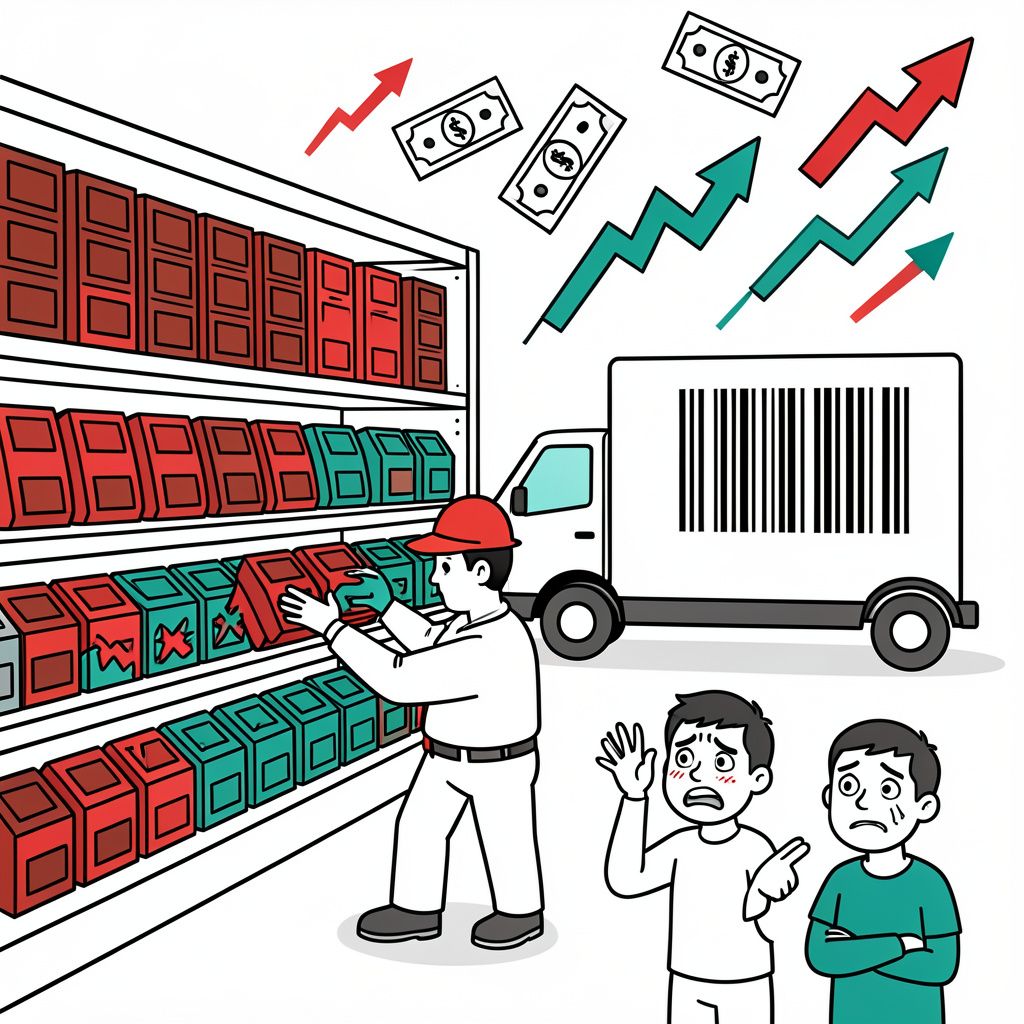
A simple tasting guide mix-up triggered a massive nationwide chocolate recall, demonstrating how minor packaging errors create life-threatening consumer risks and significant financial liabilities for manufacturers.
The Mechanics of a Labeling Crisis
On April 23, 2026, French Broad Chocolates PBC, a manufacturer based in Asheville, North Carolina, initiated a nationwide recall of its Bette’s Bake Sale Bonbon Collection [3][4]. The issue was not a contamination of the food itself, but a critical misprint in the product’s accompanying tasting guide [1][4]. A team member discovered on April 20, 2026, that the descriptions for the Walnut Fudge and Peach Cobbler bonbons had been inadvertently swapped [1][3]. Consequently, the packaging failed to disclose the presence of walnuts, a major tree-nut allergen [1][4].
Market Implications and Consumer Action
The logistical scope of this recall highlights the rapid distribution capabilities—and inherent vulnerabilities—of modern e-commerce [GPT]. While physical sales occurred at the company’s retail storefronts in Asheville, online sales distributed the allergen-risk bonbons across 40 states and the District of Columbia, totaling 41 distinct jurisdictions [2][4]. For a specialty consumer packaged goods (CPG) brand, tracking and retrieving products across such a vast geographic footprint presents substantial logistical hurdles and financial costs [GPT].
A Broader Trend in Food Safety
This incident is part of a broader narrative of ongoing supply chain and quality control challenges within the food industry this spring [GPT]. For instance, just weeks prior on March 24, 2026, Ayco Farms Inc. was forced to recall thousands of whole, fresh cantaloupes across four states—California, Florida, New York, and Pennsylvania—due to potential Salmonella contamination [7]. That recall impacted 8,302 cartons containing between 6 and 12 melons each, meaning up to 99624 individual cantaloupes were potentially compromised by the deadly foodborne pathogen [7].
Sources
- www.foxbusiness.com
- www.nj.com
- people.com
- www.fox5atlanta.com
- www.facebook.com
- www.msn.com
- www.aol.com