The Persuasion Playbook: Why Filmmaker Alex Gibney Links Elon Musk to Elizabeth Holmes
New York, Sunday, 8 November 2026.
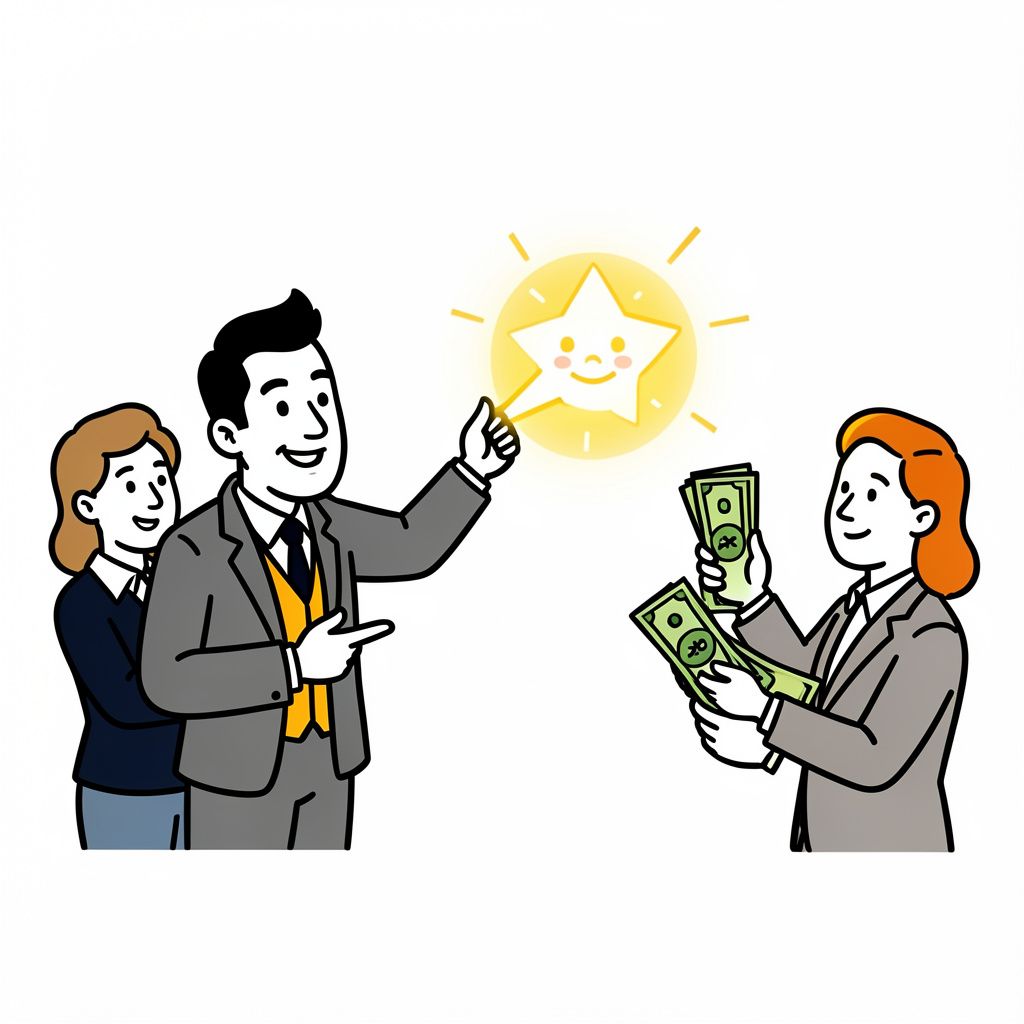
Filmmaker Alex Gibney argues that Elon Musk and Elizabeth Holmes shared an identical superpower: projecting supreme confidence to convince investors of claims they knew were untrue.
A Filmmaker’s Unsettling Comparison
Oscar-winning documentary filmmaker Alex Gibney has drawn a provocative parallel between two of the most polarizing figures in modern business: Tesla, Inc. (NASDAQ: TSLA) CEO Elon Musk and Theranos founder Elizabeth Holmes. Speaking to Business Insider in a November 2026 interview, Gibney described both leaders as possessing a shared ‘superpower’—the ability to project such overwhelming confidence that they persuaded investors and the public to accept claims they privately knew to be untrue [1][5]. This observation comes as Gibney’s nearly four-hour documentary ‘Musk’ had just premiered in theaters and on paid video-on-demand platforms on November 6, 2026, following more than four years of production [4].
Confidence as a Corporate Currency
Gibney’s framing of confidence as a ‘superpower’ underscores a critical dynamic in high-stakes entrepreneurship: the power of narrative over evidence. In Holmes’s case, this narrative centered on Theranos’s claim to revolutionize blood testing with proprietary technology that could run hundreds of diagnostic tests from a few drops of blood—a promise that ultimately collapsed under regulatory scrutiny and criminal fraud charges [1][3]. For Musk, Gibney argues, a similar dynamic has played out across multiple ventures, from Tesla’s electric vehicle ambitions to SpaceX’s Mars colonization plans, where bold assertions about technology and market potential have often outpaced immediate empirical validation [1][4][5].
From ‘Fake It Till You Make It’ to Institutionalized Conviction
The filmmaker traces a psychological thread that binds Musk and Holmes, describing how both leaders escalated their initial ‘fake it till you make it’ strategies into sustained acts of corporate misrepresentation. Gibney notes that Musk’s early startup Zip2—a financial failure with notoriously poor code—nevertheless generated a $20 million windfall for Musk when he was ousted as CEO, which he subsequently reinvested into ventures like X.com (later PayPal) [4]. ‘We were tracking somebody who started with ‘fake it till you make it,’ and then ended up investing in the idea of ‘keep faking it,’’ Gibney remarked in a 2026 interview [4]. This pattern, he suggests, reflects a broader Silicon Valley phenomenon where charismatic storytelling can temporarily supersede operational feasibility in securing capital and talent.
The Ripple Effects on Governance and Due Diligence
The implications of Gibney’s analysis extend far beyond individual personalities into the heart of corporate governance and investor due diligence. His documentaries on both figures—‘The Inventor: Out for Blood in Silicon Valley’ (2019) and ‘Musk’ (2026)—serve as cautionary case studies for executives and venture investors navigating an environment where visionary rhetoric often outweighs technical or financial substantiation [1][3][4]. Gibney’s work highlights how boards, limited partners, and regulators may struggle to distinguish between transformative ambition and manipulative persuasion, particularly in sectors characterized by rapid technological change and asymmetric information [GPT].
Documentary as Cultural Critique
Beyond psychological analysis, Gibney’s latest work is positioned as a cultural critique of 21st-century power structures. The filmmaker initially conceived ‘Musk’ in 2022 as an inquiry into how power manifests in the modern era, but the documentary’s scope expanded significantly following Donald Trump’s 2024 assassination attempt and Musk’s subsequent political realignment [4]. This expansion reflects a broader trend in documentary filmmaking toward examining the intersection of technology, politics, and individual charisma. Gibney’s approach—juxtaposing Musk’s current dominance with Holmes’s spectacular downfall—invites audiences to reflect on how society evaluates risk, reward, and credibility in an age of viral narratives and algorithmic amplification [1][4][GPT].
A Question of Scale and Impact
While Holmes’s fraud resulted in criminal convictions and the dissolution of Theranos, Musk’s companies continue to operate at unprecedented scale—with SpaceX’s June 2026 initial public offering catapulting Musk to become the world’s first trillionaire [4][GPT]. This disparity raises critical questions about accountability mechanisms in technology and finance. Gibney himself acknowledges the distinction, noting in interviews that ‘there are some similarities. Now, let’s say at the outset that Elizabeth Holmes’ machine never worked, and you can drive a Tesla’ [4]. Yet, he cautions that the same persuasive ‘superpower’ that fueled both careers can lead to systemic risks when unchecked by rigorous oversight or ethical constraints.
Sources
- www.businessinsider.com
- s.yimg.com
- profiles.yahoo.com
- www.goldderby.com
- www.businessinsider.com
- www.facebook.com
- x.com
- www.reddit.com
- www.linkedin.com
- flipit.money