Why LSU's Huge Investment in Lane Kiffin Faces Growing Financial Pressure
Tuscaloosa, Sunday, 8 November 2026.
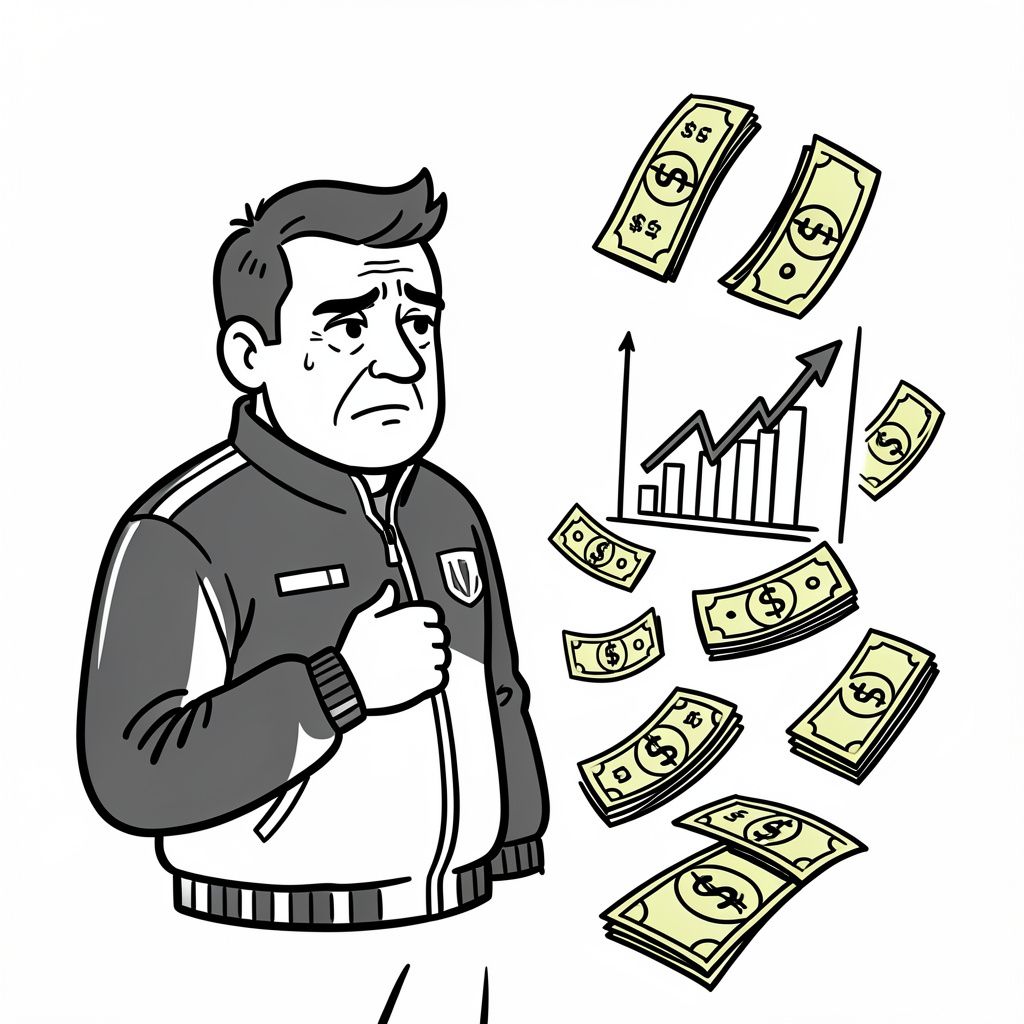
Despite LSU’s $91 million commitment, Lane Kiffin’s costly 31-13 loss to Alabama drops the Tigers to 0-3 against ranked teams, triggering severe questions about modern collegiate sports investments.
LSU’s $91 Million Gamble on Lane Kiffin Hits a Wall
On the evening of Saturday, November 7, 2026, Lane Kiffin’s third season at Louisiana State University (LSU) faced a defining moment in Baton Rouge, Louisiana. The No. 15-ranked Tigers, despite outgaining the ninth-ranked Alabama Crimson Tide 457 yards to 285, succumbed to a 31-13 defeat in front of a capacity crowd at Tiger Stadium [1]. While total offense favored LSU, the Tigers’ inability to convert on fourth down—0-for-4 in critical situations—and Alabama’s perfect finish in three red-zone opportunities exposed glaring inefficiencies [1]. The loss extended Kiffin’s personal losing streak against Alabama to six consecutive meetings, a streak that has now lasted more than a decade [4]. For a program that invested $91 million over seven years to bring Kiffin from Ole Miss, the financial and competitive stakes could not be higher [3].
The Contract Behind the Crisis
Kiffin’s contract with LSU, signed in late November 2025, ranks as one of the most expensive head coaching deals in college football history. The $91 million total value—spread over seven years at $13 million per season—places him in elite company, tied with Georgia’s Kirby Smart for the second-highest annual salary in the sport [3]. Beyond base salary, the contract includes performance-based escalators such as a clause making Kiffin the nation’s highest-paid coach if LSU wins a national championship during his tenure [3]. It also features a $1 million bonus for winning the SEC Championship Game and a College Football Playoff (CFP) payout structure ranging from $750,000 for a semifinal appearance to $3 million for a national title [3]. These incentives underscore the high expectations placed on Kiffin to deliver on LSU’s substantial financial commitment.
When Investments Clash with Reality
The financial strain extends beyond Kiffin’s salary. LSU’s roster itself is valued at nearly $50 million, placing the Tigers among the most expensive in college athletics [1]. Yet, despite this investment, the program has now suffered three consecutive losses to ranked opponents, including defeats to No. 5 Florida and No. 13 Tennessee earlier in the season [1]. The most recent setback against Alabama has raised serious questions about return on investment in an era where college athletic programs operate with corporate-level financial discipline [GPT]. While LSU’s athletic department has historically generated strong revenue streams from football, the underperformance has intensified scrutiny from alumni, boosters, and state officials—particularly in a state like Louisiana, where public funding for higher education remains a contentious issue [5].
Buyout Risks and Leadership Pressure
The financial consequences of terminating Kiffin prematurely would be severe. His buyout clause stipulates 80% of remaining salary—currently exceeding $62 million if he were dismissed at the end of the 2026 season—paid without offset or mitigation [3]. This clause reflects the high stakes involved in retaining top-tier coaching talent, especially after LSU recently paid $54 million to buy out former coach Brian Kelly in October 2026 [3]. The pressure on athletic director Scott Woodward, who resigned in October following public criticism from Governor Jeff Landry over Kelly’s contract, is now compounded by fan frustration and declining playoff ambitions [3]. With only two games remaining in the regular season against No. 7 Texas and No. 13 Tennessee, LSU’s path to the CFP has narrowed significantly [1].
A Program at a Crossroads
The broader implications extend beyond wins and losses. For the first time since 2016, top Louisiana recruits are leaving the state, with No. 3 quarterback Elijah Haven choosing Alabama over Kiffin’s pitch [1]. This trend signals potential long-term challenges in recruiting, a critical driver of on-field success and financial sustainability in college football [GPT]. Kiffin acknowledged the team’s struggles in a postgame press conference, stating, ‘We got a lot of yards and not a lot of points,’ a refrain that echoes the disconnect between investment and results [4]. As LSU evaluates its future under Kiffin, the financial and competitive pressures are no longer theoretical—they are existential. With the 2026 season serving as a referendum on the Kiffin era, the university faces a pivotal moment: double down on a high-risk, high-reward strategy or confront the financial and reputational costs of change.