How Inefficient Supermarket Layouts Are Shrinking Customer Shopping Carts
New York, Thursday, 28 May 2026.
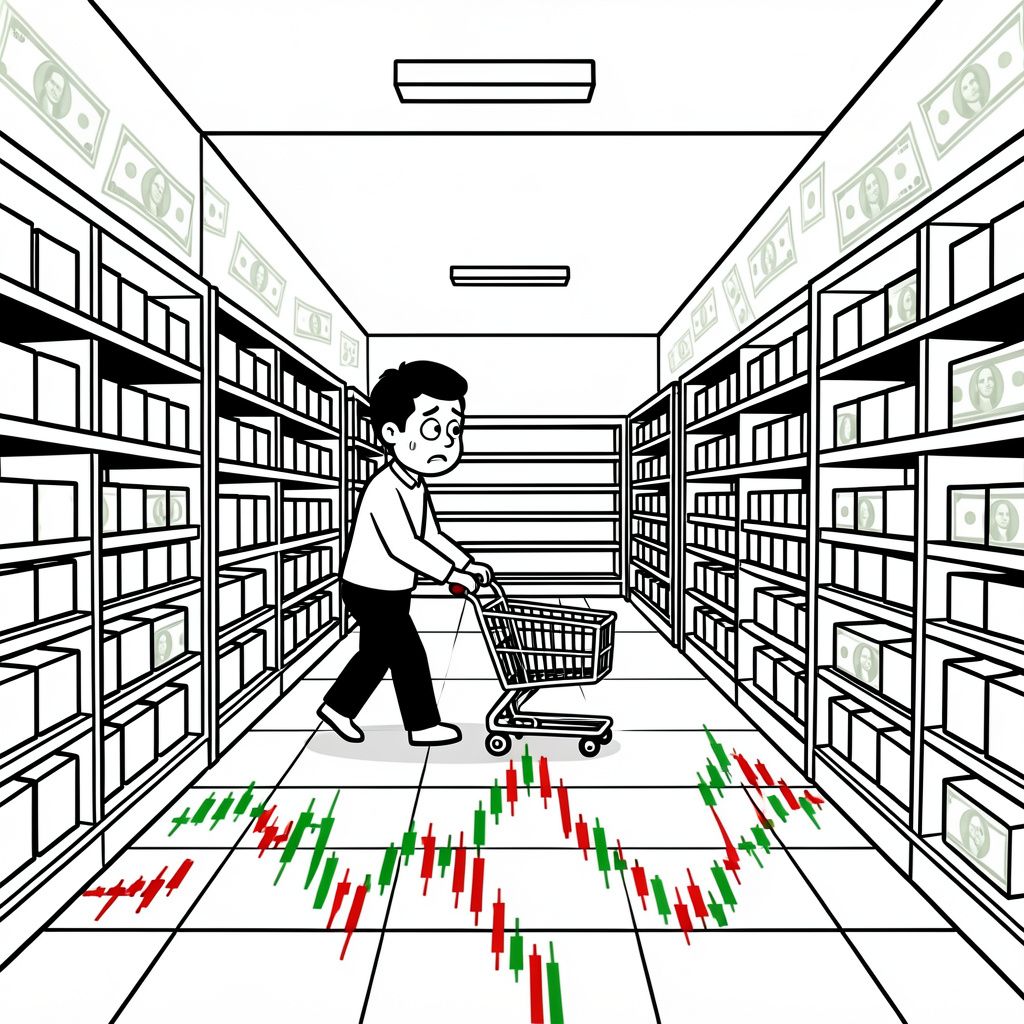
A newly released study reveals that inefficient supermarket floor plans shrink consumer purchases by up to 25 percent, exposing a massive hidden revenue drain for today’s retail sector.
The Silent Revenue Drain
On May 28, 2026, Dubai-based retail and eCommerce consulting firm Your Retail Coach (YRC) [alert! ‘No ticker symbol provided in source material’] launched a new modular grocery layout framework designed to combat this widespread issue [1]. According to YRC’s data, which was built on fieldwork advising over 500 global businesses prior to May 25, 2026, disorganized store layouts cause shoppers to complete only 62 percent of their intended shopping lists [1]. Furthermore, gaps in navigation signage add an average of 3.4 minutes of friction to each customer visit [1].
Engineering the Impulse Buy
To counteract this revenue suppression, YRC’s newly introduced Category Flow Mapping restructures product placement across the store [1]. A critical component of this strategy is “Impulse Zone Engineering,” which targets dead zones on the shop floor to reposition impulse items [1]. Because impulse purchases can account for up to 47 percent of a grocery basket’s total value, properly repositioning these goods has yielded documented revenue lifts of up to 18 percent in tested grocery formats [1].
Beyond the Store Floor: Warehouse and Compliance Inefficiencies
The grocery layout framework is part of a broader push by YRC this week to address operational waste across the entire retail ecosystem. On May 24, 2026, the firm released a Warehouse Efficiency Model targeting severe supply chain inefficiencies [2]. The study revealed that order picking consumes approximately 55 percent of warehouse operating costs, while average inventory accuracy languishes at just 63 percent [2]. In mid-sized operations, slow-moving or dead stock occupies nearly 30 percent of floor space, and warehouse-driven stockouts eliminate almost 8 percent of annual retail sales [2]. YRC’s “Throughput Mapping” module has already demonstrated a 22 percent average reduction in order cycle times for pilot retailers [2].
The Push for Synchronized Retail Systems
The broader retail industry is increasingly recognizing the urgent need for this type of operational synchronization. In a statement released on May 25, 2026, the Retail Systems Forum noted that while many retailers chase speed, doing so without synchronized systems across design, sourcing, and stores creates operational friction [4]. They argue that winning in retail requires every function to operate from the same rhythm of demand, inventory, and customer insight, transforming businesses from reactive to responsive [4].