Next-Generation Hybrid Solar Panels Turn Wasted Heat Into Valuable Agricultural Fertilizer
San Jose, Tuesday, 25 August 2026.
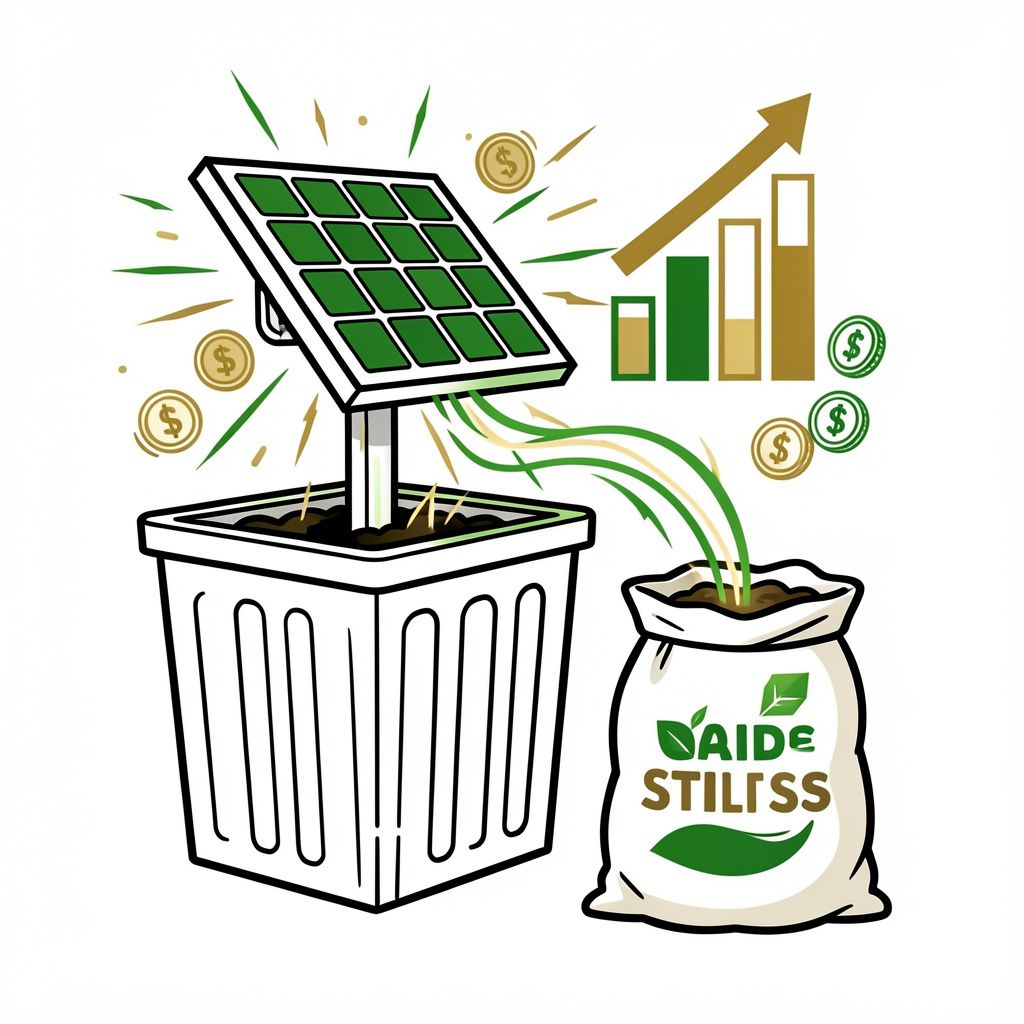
Innovative hybrid solar technology boosts panel electricity output by 59 percent while repurposing wasted thermal energy to convert organic waste into sustainable fertilizer, reducing industrial operating costs.
Market Introduction of Hybrid Solar Technology
In August 2026, clean technology startup Recovered Potential is evaluating industrial applications for a hybrid solar thermal collector system designed to mitigate energy overhead in facilities such as slaughterhouses [1]. The system attaches a copper heat exchanger to traditional photovoltaic panels, capturing up to 80 percent of wasted solar heat that typically reduces panel voltage during high-temperature periods [1]. By diverting this thermal energy into an onsite chemical reactor, the technology aims to lower waste management costs while boosting electricity generation efficiency [1].
Efficiency Mechanics and Thermal Capture
Research published in Nature Water on August 19, 2025, detailed how the photovoltaic-thermal system increases solar panel power output by 59.3 percent compared to setups without heat transfer [1]. The copper tube cold plate cools the solar cells, preventing voltage sag on blistering afternoons, while simultaneously heating a reactor to process organic waste [1]. This dual-purpose design improves ammonia recovery efficiency by 22.4 percent, utilizing heat that would otherwise be lost to the environment [1].
Commercial Timeline and Future Development
The technology has transitioned from laboratory development to a Department of Energy program as of August 2026 [1]. While the initial study focused on human urine, the company is targeting high-strength nitrogen streams in meat and poultry processing waste for industrial-scale application [1]. A follow-up prototype with triple the reactor capacity is currently in development for off-grid applications, building on the Activate 2026 fellowship cohort recognition received by the leadership team in summer 2026 [1].