Why Cash Still Dominates African Commerce Despite a Historic Digital Payments Boom
Nairobi, Thursday, 19 November 2026.
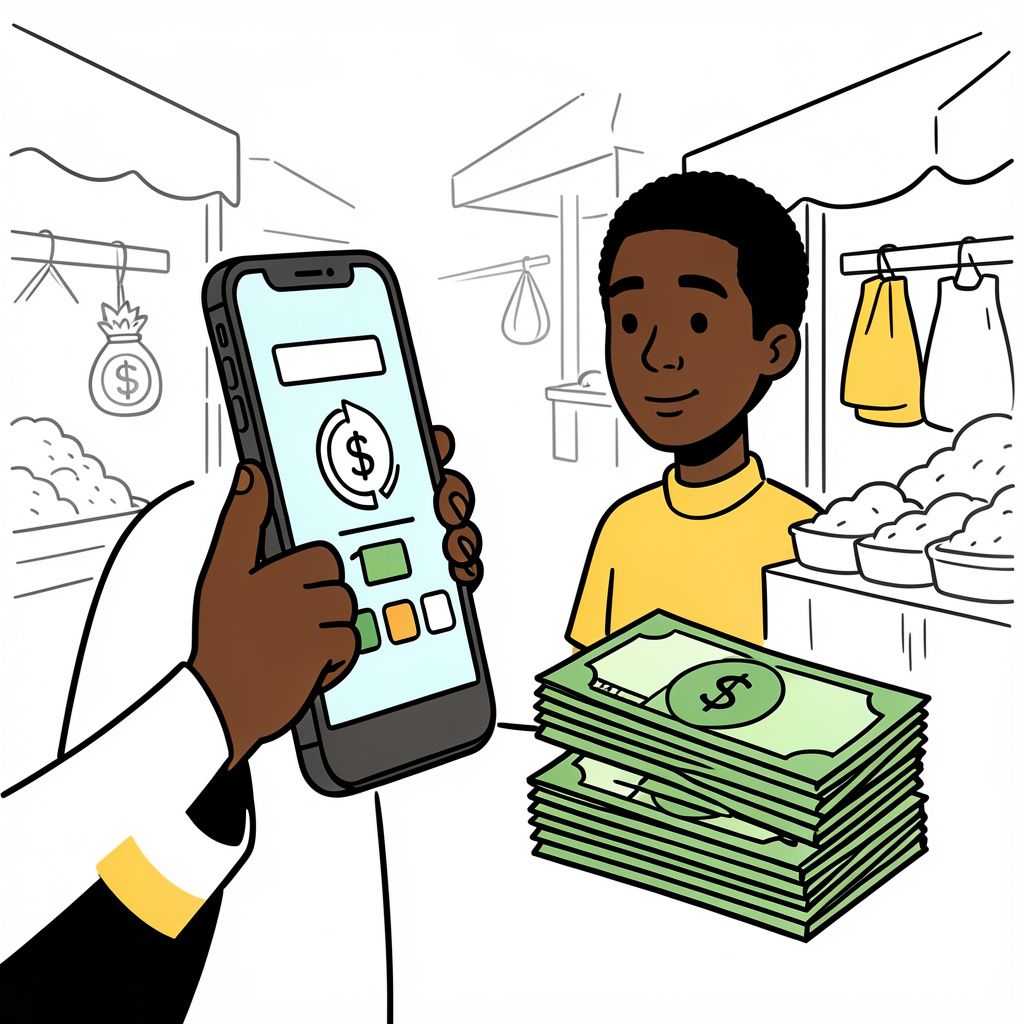
Despite African instant payments reaching 71 billion transactions, persistent consumer trust deficits mean over half of digital users still rely on cash for most everyday purchases.
A Historic Payments Boom With a Cash-Ridden Undercurrent
Africa’s instant payment systems have achieved a landmark milestone, processing 71 billion transactions across 39 systems in 43 countries over the past five years—a figure that underscores the continent’s rapid digital financial transformation [1]. The State of Inclusive Instant Payment Systems (SIIPS) 2026 report, released today by AfricaNenda in partnership with the United Nations Economic Commission for Africa and the World Bank Group, documents this surge, revealing that mobile money alone accounts for 73% of total volume [1]. Yet despite this exponential growth, the same report highlights a paradox: consumer trust deficits continue to anchor cash as the dominant medium for everyday commerce [1]. A 1,403-user survey across 15 markets found that 55% still pay in cash for approximately half of their transactions, even when instant payment systems are accessible [1].
The Trust Deficit: Why Cash Persists Despite Digital Advances
The persistence of cash in African commerce is not merely a matter of habit but a reflection of systemic trust gaps within digital payment ecosystems. Over half of digital payment users surveyed reported experiencing issues such as transaction delays or misdirected funds, with one in three never reporting these problems due to a lack of awareness about dispute resolution mechanisms [1]. Sabine F. Mensah, Deputy CEO of AfricaNenda and lead author of the SIIPS report, emphasizes that trust in digital payments is often determined in seconds—by the immediacy of confirmation, the presence of safeguards like recipient name validation, and the assurance of real-time resolution when errors occur [1]. Dr. Robert Ochola, CEO of AfricaNenda, frames the next phase of growth as contingent on affordability, safety, and sustainability—three pillars that directly address the trust deficit undermining cash’s decline [1].
Infrastructure Fragmentation and the Cost of Distrust
Beyond consumer psychology, interoperability challenges and fragmented regulatory frameworks compound the barriers to cashless adoption. The SIIPS report notes that while 89% of African adults live in countries with access to instant payment systems, the average transaction size has fallen from $45 in 2021 to just $26 in 2026—a decline driven in part by consumers opting for smaller, cash-like transactions to mitigate perceived risk [1]. The report further highlights that 43% of users who experienced financial losses due to payment errors reduced their reliance on digital payments, illustrating how security vulnerabilities erode confidence and perpetuate cash usage [1]. Payment service providers, the report finds, are adopting AI-driven fraud defenses at a faster pace than system operators, creating a lag in trust-building infrastructure [1].
The Path Forward: From Digital Potential to Inclusive Reality
The trajectory of Africa’s instant payment systems is undeniably upward, with annual transaction growth averaging 28% since 2021 and four new domestic systems launched in Liberia, Burundi, Guinea, and Mauritania just this year—alongside a regional system for the eight WAEMU countries [1]. However, the SIIPS 2026 report warns that sustaining this momentum requires closing critical gaps: enhancing consumer protection frameworks, standardizing interoperability, and embedding real-time dispute resolution mechanisms [1]. Mensah’s assertion that trust is ‘won in seconds’ underscores the urgency of these reforms—not only to displace cash but to ensure that the benefits of digital payments, from financial inclusion to economic resilience, are equitably distributed [1].