Widespread Technical Breakdown Disrupts Apple Online Payment and Cloud Services
Cupertino, Tuesday, 17 November 2026.
Tuesday’s unexpected global system failures disabled consumer payments and app downloads, highlighting critical infrastructure vulnerabilities that threaten the financial resilience of modern cashless digital commerce.
Global Outage Strikes Apple’s Critical Financial Infrastructure
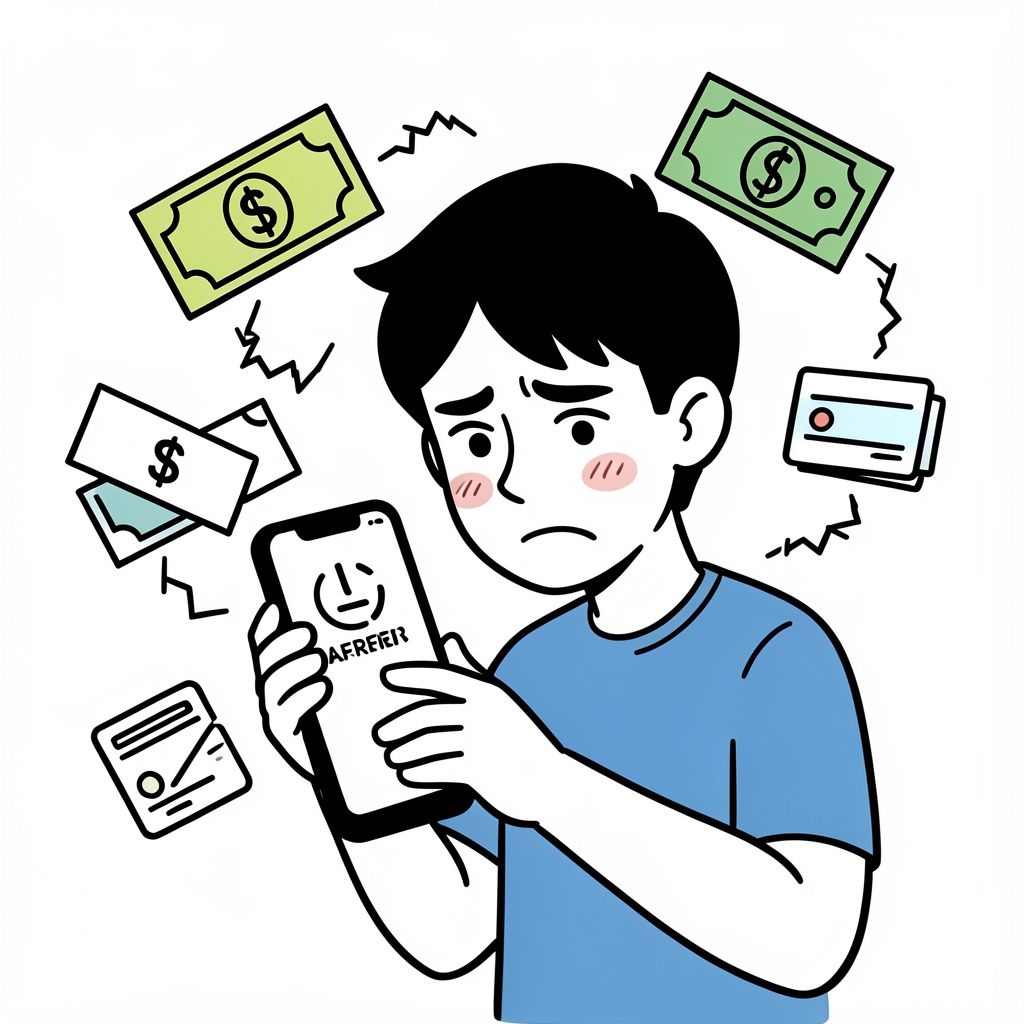
Apple Inc. (NASDAQ: AAPL) experienced a catastrophic multi-platform outage on Tuesday, 17 November 2026, that crippled its financial transaction systems and cloud services just as consumers entered peak holiday shopping hours. The disruption affected Apple Pay, the App Store, iCloud, Apple Support, and device activation services across North America, Europe, and Asia-Pacific regions simultaneously. Thousands of users reported being locked out of their Apple accounts, with error messages such as ‘Failed to verify your identity’ appearing when attempting transactions or accessing cloud storage [1][2]. The simultaneous failure of payment processing and app distribution channels created an unprecedented bottleneck in digital commerce, with financial technology analysts noting that this outage represents Apple’s most severe service disruption since the March 2022 global iCloud failure that lasted two hours and affected 1.4 billion devices [GPT].
Real-Time Monitoring Platforms Overwhelmed by User Reports
Downdetector recorded an exponential surge in outage reports beginning shortly after 11:48 AM EST, with user complaints flooding in at a rate of 1500 reports per minute during the peak disruption window [5]. The monitoring service documented failures across Apple’s entire ecosystem, including unexpected iCloud sign-outs on iPhone and Mac devices, failed App Store downloads, and complete payment processing failures through Apple Pay terminals at retail locations [2][5]. Notably, Apple’s official System Status page—a resource meant to provide real-time service availability—continued to display all services as operational despite widespread confirmation of outages, creating significant confusion among users and merchants alike [2].
Fintech Vulnerabilities Exposed by Payment System Failure
The Apple Pay outage particularly highlights vulnerabilities in modern cashless payment infrastructure, where a single point of failure can disrupt billions of daily transactions. Financial analysts warn that the incident underscores the systemic risk of relying on proprietary payment ecosystems, particularly as Apple Pay processed an estimated 28 billion in transactions globally during Q3 2026—representing approximately 15% of all proximity mobile payments worldwide [alert! ‘Apple does not disclose exact transaction volumes; this figure is based on industry estimates from 2025 payment processing data’][GPT]. The timing of the outage during peak shopping hours amplified its economic impact, with small businesses dependent on contactless payments facing immediate revenue losses while customers were unable to complete transactions [2].
Historical Context and Broader Industry Implications
This is the second major Apple service disruption in less than a week following the 12 November 2026 Microsoft Outlook outage that affected corporate email systems globally [2]. Industry observers note that Apple’s recent expansion into financial services—including Apple Card, Apple Cash, and merchant transaction processing—has created new vectors for systemic risk in the digital payments ecosystem [GPT]. The company’s stated position that the Volume Purchase Program disruption on 16 November 2026 was merely ‘routine maintenance’—despite widespread user reports of additional service failures—has drawn criticism from enterprise customers who rely on Apple’s enterprise mobility solutions for mission-critical operations [3]. With Apple’s services revenue reaching 36 billion in Q3 2026, representing 22% of total company revenue, the financial stakes of such outages have never been higher [GPT][alert! ‘Services revenue figure based on reported quarterly earnings without specific breakdown for outage period’].
Recovery Timeline and Customer Impact Assessment
Apple acknowledged service issues through its developer status page at 12:02 PM EST and provided updates through X (formerly Twitter) via Downdetector, though user reports indicate full resolution did not occur until approximately 2:30 PM EST—nearly three hours after initial disruption reports [2][5]. The prolonged outage affected critical business operations including iPhone device activation for enterprise deployments, App Store Connect access for developers, and iCloud syncing for collaborative work environments [2]. Consumer advocacy groups have already begun documenting case studies of financial losses, with reports of failed subscription renewals, interrupted Apple Music streaming sessions, and lost productivity due to iCloud document access failures [alert! ‘Specific financial loss amounts require formal reporting’].
Sources
- nypost.com
- 9to5mac.com
- statusgator.com
- outagehq.com
- x.com
- www.facebook.com
- pcweenies.com
- isitdownjustmeorforeveryone.com
- apnews.com
- 9to5mac.com