AI Data Center Growth Unlocks Six-Figure Skilled Trade Jobs
Santa Clara, Sunday, 2 August 2026.
Nvidia’s CEO highlights how the $7 trillion AI infrastructure surge is unlocking six-figure trade jobs for electricians and plumbers, offsetting declines in entry-level white-collar hiring.
AI Data Center Growth Unlocks Six-Figure Skilled Trade Jobs
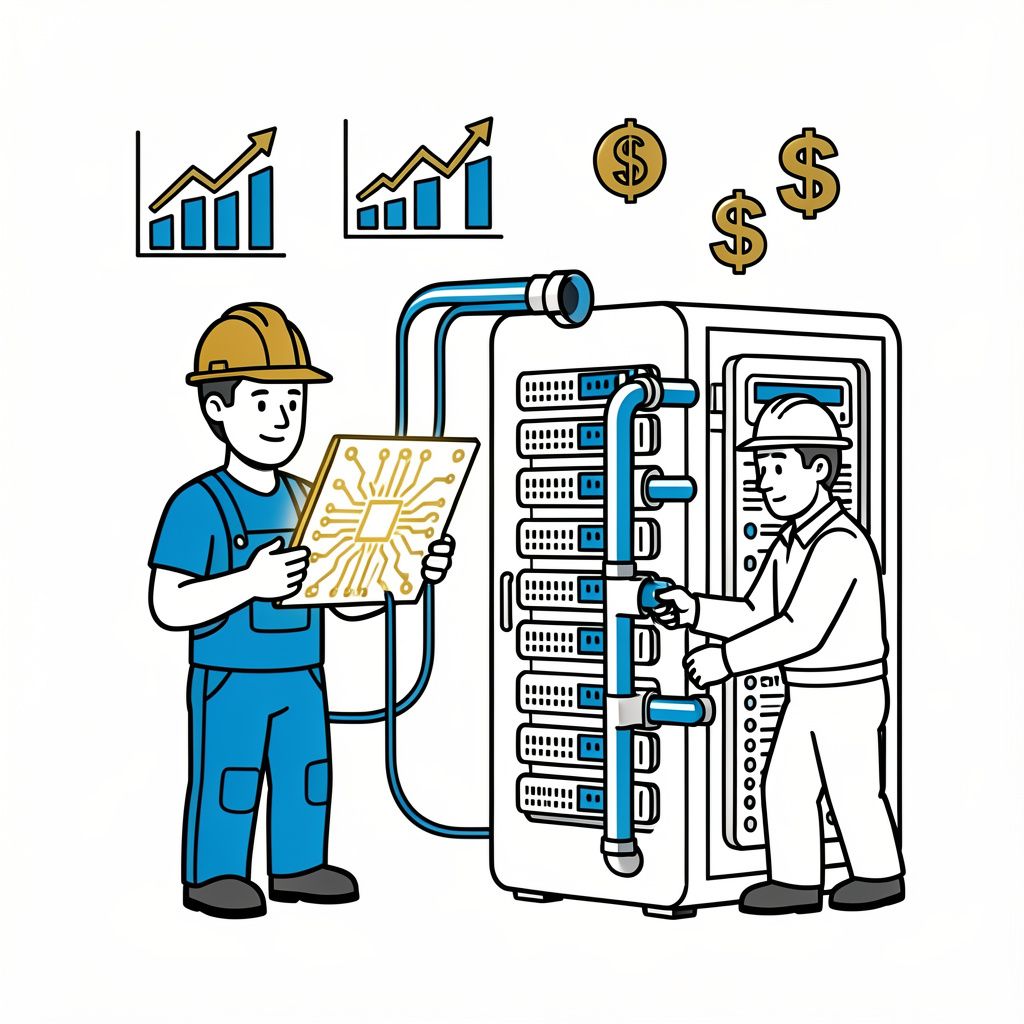
Nvidia Chief Executive Officer Jensen Huang has identified a significant shift in the global labor market, projecting that the rapid expansion of artificial intelligence infrastructure will drive demand for skilled tradespeople to unprecedented levels. Speaking at the World Economic Forum in Davos, Switzerland, in January 2026, Huang described the current period as the largest infrastructure buildout in human history, necessitating a workforce capable of constructing high-power data centers [3][5]. This surge in physical construction is expected to offer six-figure compensation packages for electricians, plumbers, and construction specialists, even as entry-level white-collar roles face disruption from the very technology being built [1][7]. The U.S. Bureau of Labor Statistics projects a 9% growth in electrician jobs over the next decade, reflecting a broader trend where tradecraft becomes increasingly valuable [1][7].
Infrastructure Scale and Global Construction Challenges
The scale of this development is immense, with projections indicating $7 trillion in global capital outlays for data centers by the end of 2030 [1]. However, the pace of construction varies significantly by region. Huang noted that while building a data center in the United States takes approximately three years from groundbreaking to operation, competitors in China can construct similar facilities, such as hospitals, in a fraction of the time [2]. This disparity highlights critical challenges in energy capacity and regulatory efficiency, with China possessing twice the energy capacity of the U.S. despite a smaller economy [2]. McKinsey reports that between 2023 and 2030, the U.S. will require an additional 130,000 electricians and 240,000 construction laborers to meet these demands, yet a labor deficit persisting from 2022 remains a bottleneck [1][7].
Economic Impact and Investment Trends
Financial markets are responding to this infrastructure boom, with 2025 recorded as one of the largest years on record for venture capital funding, primarily directed toward AI-native companies [3]. Revenue for AI-native companies surged from $2 billion in the first year of AI revenues to $20 billion in the second year, representing a growth rate of 900 [4]. BlackRock CEO Larry Fink has advocated for pension funds to invest in this AI infrastructure to ensure average savers participate in the economic growth, warning that those watching from the sidelines risk being left out [3][5]. Despite the optimism, Ford CEO Jim Farley noted in 2025 that hiring for entry-level workers at tech companies had declined by 50% since 2019, underscoring the divergent paths for blue-collar and white-collar employment [1][7].