Federal Judge Halts Deportations for 2,800 Yemeni Nationals Ahead of Monday Deadline
Washington, Friday, 1 May 2026.
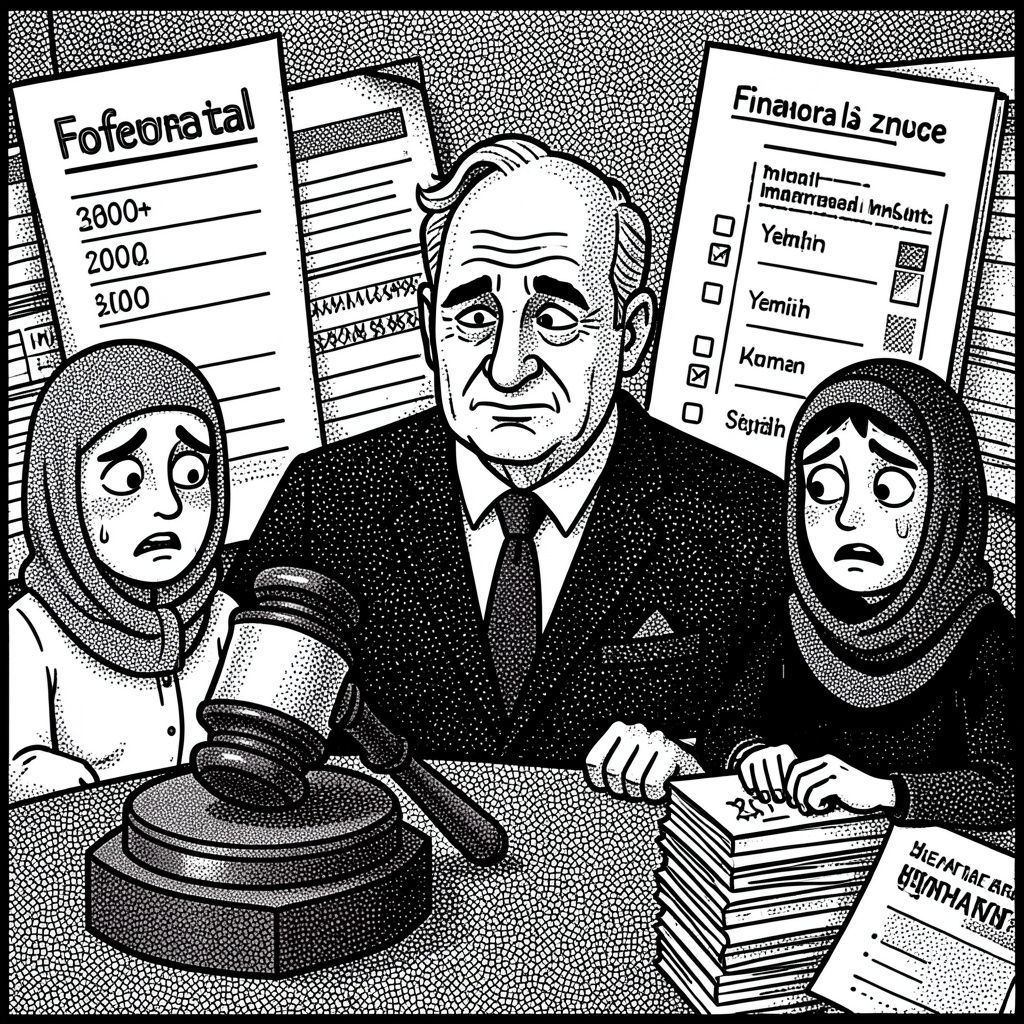
A federal judge blocked the impending deportation of 2,800 Yemeni nationals, ruling that the administration bypassed required agency consultations before attempting to end their legal residency and work status.
The Judicial Intervention and Its Immediate Impact
On Friday, 1 May 2026, U.S. District Judge Dale Ho in Manhattan issued an order halting the planned termination of Temporary Protected Status (TPS), thereby preserving vital work authorizations and residency rights for Yemeni nationals [1]. The protections were scheduled to expire on Monday, 4 May 2026 [1][2]. The ruling provides immediate relief for approximately 2,810 Yemeni nationals currently holding TPS, alongside another 425 individuals with pending applications [1]. In his decision, Judge Ho noted that the administration, specifically former Homeland Security Secretary Kristi Noem, failed to engage in required consultations with relevant government agencies before announcing the termination in February 2026 [1][2]. Ho described the administration’s actions as having “short-circuited, violating the TPS statute and frustrating the public accountability” required by the Administrative Procedure Act [2]. In response to the ruling, a spokesperson for the Department of Homeland Security (DHS) pushed back, stating, “Temporary means temporary and the final word will not be from activist judges legislating from the bench” [1].
The Humanitarian and Security Context of TPS
The TPS program, established by Congress in 1990, allows the Secretary of Homeland Security to grant temporary residency and work authorization—typically in increments of up to 18 months—to foreign nationals already in the United States if their home countries are destabilized by armed conflict, natural disasters, or other extraordinary conditions [2]. The program includes strict eligibility requirements that protect the domestic landscape, categorically excluding individuals with felony convictions, involvement in drug trafficking, or those deemed national security threats [2]. Yemen was initially designated for TPS in 2015 under the Obama administration due to the outbreak of severe armed conflict [1][2]. The country has been repeatedly redesignated since, most recently in 2024, citing the ongoing civil war and compounding humanitarian crises [2].
Assessing the Risks of Repatriation
The perilous conditions in Yemen are well-documented by the U.S. government, underscoring the severe implications of stripping these individuals of their protected status. The State Department currently maintains a Level 4 travel advisory for the nation, explicitly warning against travel due to heightened risks of “terrorism, unrest, crime, health risks, kidnapping and landmines” [2]. Addressing the character of the affected labor force, Judge Ho emphasized that requiring them to return would pose a severe threat to their safety [2]. He sharply rebuked negative political characterizations, writing that “TPS holders from Yemen are not ‘killers, leeches, and entitlement junkies.’ They are ordinary, law-abiding people who have been granted status to be here because the Government has repeatedly determined… that Yemen is subject to an ongoing armed conflict” [2].
A Broader Legal Battle Over Executive Authority
The legal standoff over Yemen’s TPS designation is part of a much larger, ongoing conflict between the Trump administration and the federal judiciary regarding executive reach in immigration policy [GPT]. The administration has aggressively sought to revoke TPS designations for 13 different countries, facing repeated legal injunctions along the way [1][2]. Interestingly, internal communications suggest friction within the administration itself regarding the economic and diplomatic impacts of these policies; in March 2026, just a month after Noem’s termination announcement, DHS stated that ending Yemen’s TPS was “contrary to the national interest” [2].
Awaiting Supreme Court Precedent
Judge Ho noted that he would ordinarily wait for guidance from the Supreme Court on such matters, but “the exigencies of the moment” compelled immediate action to prevent the Monday deportations [1]. Just days prior, on Wednesday, 29 April 2026, the Supreme Court heard arguments regarding the administration’s appeal to roll back TPS protections for over 350,000 individuals from Haiti and an additional 6,100 from Syria [1][2]. Together, these two groups alone represent a combined total of 356100 individuals whose legal and economic status hangs in the balance. A definitive Supreme Court decision on the Haiti and Syria cases is expected by late June or early July 2026, which will likely set a sweeping precedent for the future of the TPS program, domestic labor market stability, and executive authority over immigration [2].