Why Investors Fear a Prolonged Rate Cycle Over a Single September Increase
New York, Saturday, 12 September 2026.
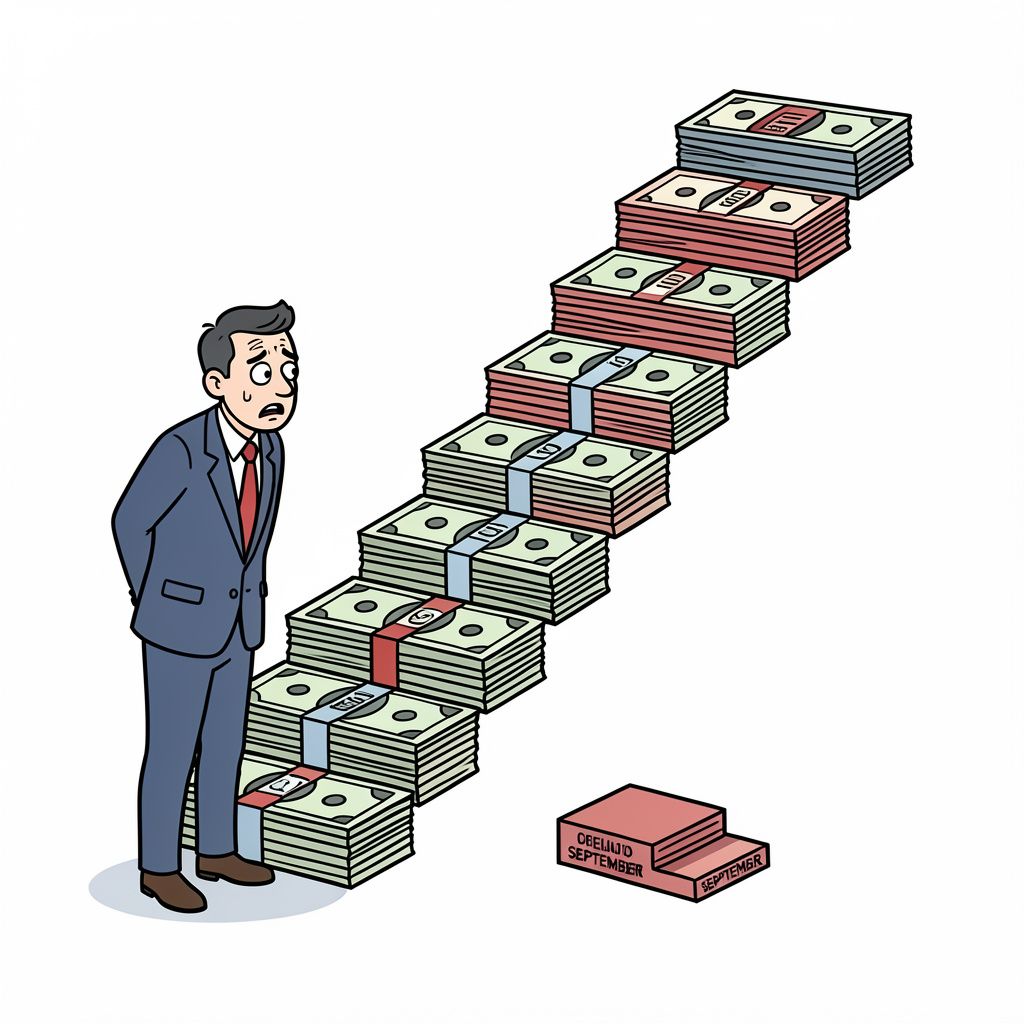
Markets are bracing for next week’s Federal Reserve meeting, where a quarter-point rate hike is likely. However, historical data shows multi-year tightening cycles, not single increases, truly threaten stock market stability.
Market Anticipation Ahead of Federal Reserve Meeting
As Wall Street assesses the longevity of the current equity bull market in September 2026, economic analysts emphasize that markets are structurally resilient against single rate adjustments by the Federal Reserve [1]. Institutional investors are focusing on whether upcoming Federal Reserve communications signal a sustained tightening cycle rather than a one-time policy tweak [2]. The Federal Open Market Committee is scheduled to meet on 15 September 2026 to 16 September 2026 to determine potential rate adjustments [4]. Fed funds futures are pricing in about a 71% chance of a quarter-point hike for the Federal Reserve next week [1].
Historical Precedents for Market Corrections
Historical market rules dictate that equity bull runs typically end either through broad economic recession or prolonged monetary tightening that impairs credit markets [1]. Since 1945, there have been 12 S&P 500 bear markets of 20% or more, plus four near-misses ranging from 18% to 20% [2]. Six of these bear markets followed a hiking cycle into recession, while three occurred after rate hikes without a recession [2]. Recession-linked bear markets historically declined a median of 36% over 18 months, requiring over three years to recover [2].
The Distinction Between Fast and Slow Cycles
Historical data demonstrates that the speed of tightening correlates with market performance, where fast cycles result in average 12-month drawdowns of -16% [4]. In contrast, slow cycles where the Fed waits at least one meeting between hikes result in milder average drawdowns of -12% [4]. The difference in maximum drawdown severity between fast and slow cycles is 4 percentage points [4]. As of 8 September 2026, the fed funds futures market prices in a 60% probability of a 25-basis-point rate increase at the upcoming FOMC meeting [4].
Economic Indicators and Future Outlook
The backdrop shifted further on Thursday, 10 September 2026, when Brent crude oil prices spiked above $105 and US producer prices rose the most in three months [1]. August 2026 recorded a 4.1% unemployment rate, which falls within the historical range of 3.4% to 5.2% observed at the start of recession-linked bear markets [2]. Despite these risks, investment strategists note that provided the Fed’s hiking cycle remains broadly in line with current expectations, investors should be careful not to confuse short-term volatility with a deterioration in the medium-term outlook for equities [2]. Markets will absorb a rate hike if the cycle is shallow, according to global markets strategy analysis [3].