New York City Mayor Concedes He Lacks Power to Arrest Israeli Prime Minister
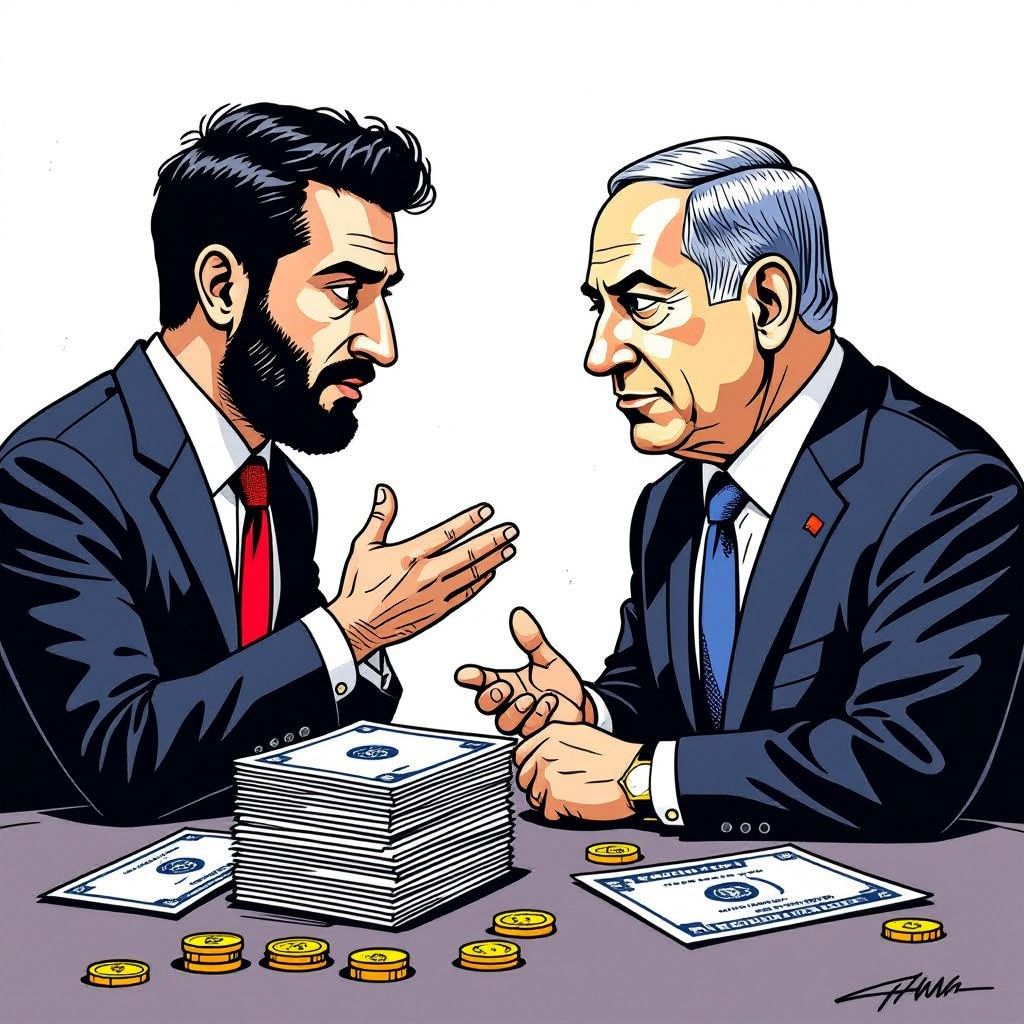
New York City, Wednesday, 22 July 2026.
Mayor Zohran Mamdani conceded New York City cannot legally arrest Benjamin Netanyahu during his September 2026 visit, defusing a major diplomatic clash over international warrant enforcement.
Campaign Promises Confront Constitutional Limits
On Tuesday, July 21, 2026, New York City Mayor Zohran Mamdani, a Democrat, publicly conceded that his administration lacks the legal authority to execute the International Criminal Court (ICC) arrest warrant against Israeli Prime Prime Minister Benjamin Netanyahu [1][2]. This concession marks a significant retreat from Mamdani’s 2025 mayoral campaign, during which he pledged to arrest the Israeli leader if he visited the city [1][5]. The shift from campaign rhetoric to legal reality highlights the constitutional boundaries that separate municipal authority from federal foreign policy [1][5].
The Legal Realities of Federal Supremacy
The legal barriers preventing New York City from executing an ICC warrant are rooted in established constitutional and international law [3][5]. Legal experts, including Cardozo School of Law professor Rebecca Ingber, have pointed out that sitting heads of state possess state immunity, which shields them from local criminal jurisdiction [3]. Furthermore, because the United States is not a party to the Rome Statute that established the ICC, the international warrant holds no domestic legal standing [1][5].
Geopolitical Friction and Federal Intervention
The municipal threat triggered a swift and sharp reaction from federal and international figures. On Monday, July 20, 2026, President Donald Trump, a Republican, firmly ruled out any local enforcement action, stating via WABC Radio and social media that Netanyahu “will not be arrested, in any way, shape, or form, while in the United States of America” [2][3][4][5]. Trump’s administration has historically taken a hostile stance toward the ICC, having previously imposed sanctions on Chief Prosecutor Karim Khan and 12 staff members—amounting to a total of 13 sanctioned individuals—in retaliation for investigations into U.S. and Israeli personnel [5].
Local Fallout and the Path Forward
Domestically, Mamdani’s focus on international diplomacy drew criticism from local civic and religious leaders. Rabbi Joe Potasnik, who served on the mayor’s transition team, expressed disappointment, stating that the mayor should focus on bringing communities together rather than tearing them apart [4]. Similarly, Jonathan Harounoff, Israel’s former international spokesperson at the UN, argued that the mayor’s efforts were “completely detached from reality” and urged him to focus on the pressing domestic issues facing New York City [3].