Federal Investigation Details Inhumane Conditions at Florida Detention Center
Washington, Monday, 14 September 2026.
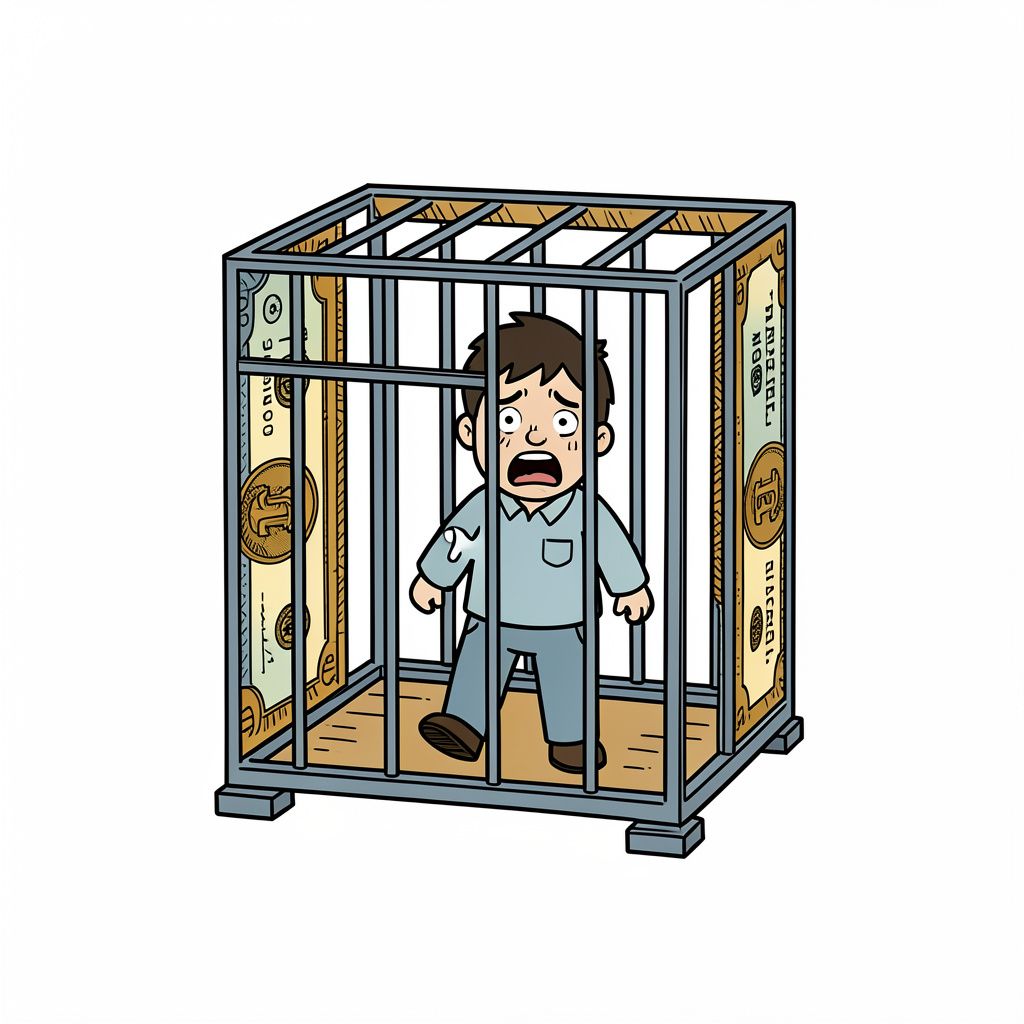
A Homeland Security report revealed severe health and safety violations at Florida’s former immigration facility, including confining detainees in outdoor metal cages smaller than phone booths.
Inspector General Confirms Regulatory Breaches
A formal report released on September 11, 2026, by the Department of Homeland Security Office of Inspector General details severe violations at the former Florida immigration detention facility known as ‘Alligator Alcatraz’ [1][3]. Inspectors documented that between July 2025 and January 2026, detainees were confined in outdoor metal cages measuring approximately 1.49 square meters to 1.67 square meters, significantly smaller than the required minimums for humane holding [1][2]. The facility, established by the administration of Florida Governor Ron DeSantis in July 2025, operated under a 287(g) agreement intended to partnership state and federal enforcement, though federal authority over physical operations remained a point of contention [1][2].
The investigation revealed that 79 immigrants were held in these restrictive enclosures for periods ranging from minutes to nearly two hours, often under the designation of ‘calming areas’ intended for behavior management [1][2]. Despite claims by Governor DeSantis that the goal was to exceed federal standards, the DHS watchdog found the use of such restrictive spaces highly unconventional and misaligned with standards for humane treatment [2][3]. The facility officially closed in June 2026 following mounting criticism regarding environmental concerns and human rights conditions within the protected Everglades wetland [2].
Systemic Failures in Hygiene and Medical Care
The Office of Inspector General identified failures across six distinct categories of detention standards, including medical care, food service, personal hygiene, recreation, environmental health, and special management units [3][4]. Detainees reported denial of necessary medication, access to showers limited to three times per week, and exposure to insect-infested facilities during hygiene routines [2][3]. Amnesty International inspectors visiting in September 2025 previously described the conditions as inhuman, noting that individuals shackled in these enclosures were unable to sit or move positions while exposed to heat and insects [1].
Regulatory guidelines mandate that single-occupancy holding rooms must be a minimum of 3.44 square meters, yet the enclosures used at the site provided less than half the required space [1]. The deficit in spatial allocation represents a significant deviation from protocol, calculated as 51.453 percent below the mandated minimum for single-occupancy holding [1]. Furthermore, federal prison solitary confinement cells typically measure approximately 7.8 square meters, highlighting the severity of the confinement conditions documented at the Florida site [1].
Financial Costs and Political Accountability
Constructed over an eight-day period in 2025, the facility cost over $1 billion in state taxpayer funds with an additional $608 million contributed by FEMA [1][2]. Daily operational costs exceeded $3,000 per bed, a stark contrast to the standard rate of approximately $200 per bed found in typical detention scenarios [1]. Governor DeSantis addressed the findings on September 14, 2026, stating that the state would seek reimbursement for funds spent and claiming the facility helped deport approximately 25,000 people [3].
While DHS claims it lacks authority over day-to-day operations due to the absence of a formal contract with Florida, ICE personnel were present on-site and provided handbooks identifying the location as a facility of the United States Immigration and Customs Enforcement [1]. The findings are expected to increase regulatory scrutiny and legal exposure for private prison contractors and corporate vendors operating within the U.S. federal detention network [1]. President Donald Trump’s administration had previously emphasized strict enforcement, but the operational realities revealed by the watchdog report suggest significant deviations from established federal norms [2].