New Tool Predicts Specific Damages From Future Fossil Fuel Projects
London, Saturday, 17 October 2026.
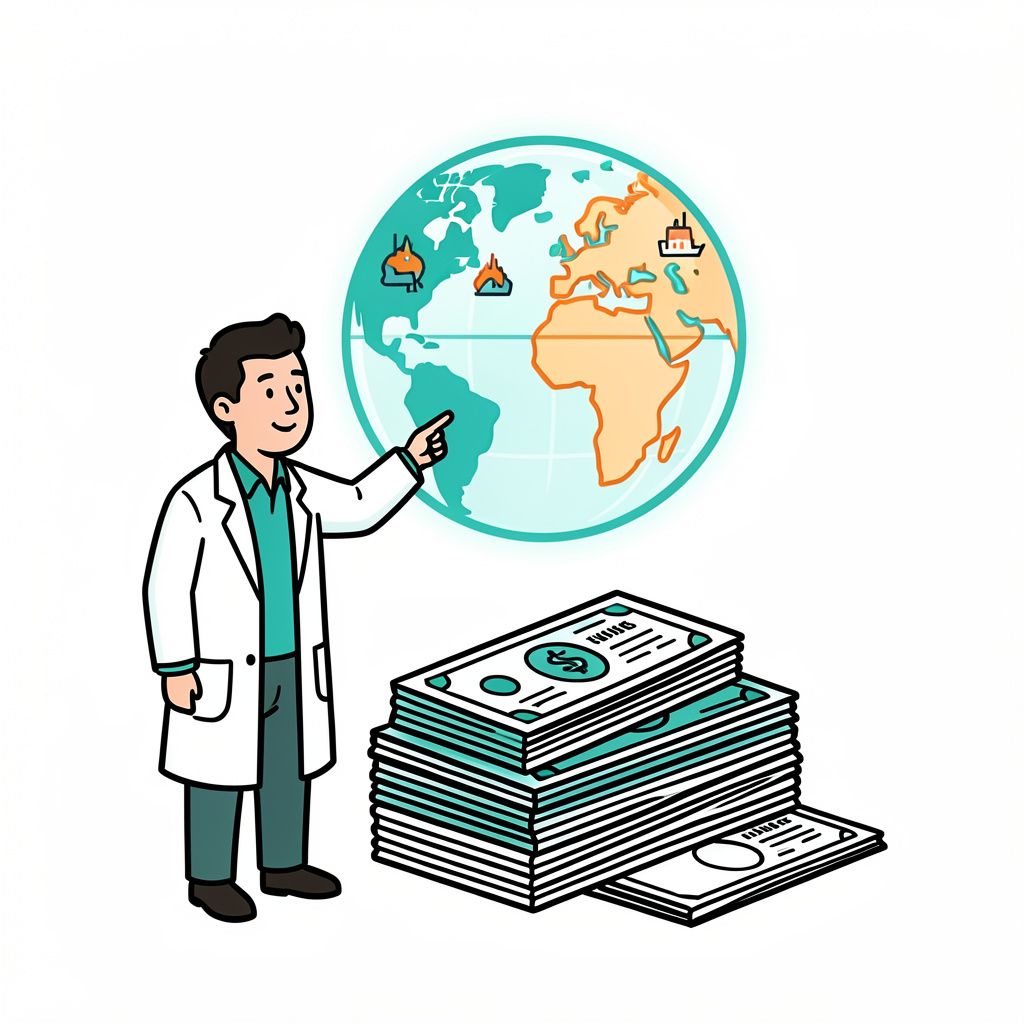
Climate scientists have launched a tool that predicts precise environmental and human damage caused by individual fossil fuel projects, creating unprecedented accountability for investors and policymakers.
Granular Emissions Tracking Launched
Climate scientists have launched a tool that predicts precise environmental and human damage caused by individual fossil fuel projects, creating unprecedented accountability for investors and policymakers [1][3]. The Carbon Impacts Tracer, released in October 2026, uses peer-reviewed studies to estimate the impact of every megatonne of emissions on people and the environment [1].
This system models granular outcomes ranging from localized crop failures to widespread ecological disruption [1]. Financial institutions and energy executives now have a precise metric for assessing long-term climate liability and regulatory risks before capital deployment [1].
Quantifying Economic and Human Damage
For example, the emissions from a coalmine expansion in Australia’s Hunter Valley are projected to produce 809m tonnes of emissions [1][3]. The tool estimates specific damages including 107 deaths in Europe and 41,800 additional people put into extreme poverty [1].
To contextualize the scale, global emissions are measured in gigatonnes, where one gigatonne equals 1.000 billion tonnes [1]. Further predicted impacts include 19.4km square of additional glacier area lost and 38.8m additional heavy labour hours lost annually [1].
AI Role and Future Policy Implications
According to climate researcher Sarah Perkins-Kirkpatrick, the tool means we are entering a new era of accountability [4]. The technology leverages artificial intelligence, which has revolutionized weather forecasting and emissions tracking [2].
Discussions on climate-responsible AI are scheduled for the COP31 climate summit in Turkey in November 2026 [2]. While AI deployment could save energy, experts warn it must be deployed responsibly to avoid detrimental climate impacts [2][4].