The Economic Trade-Off Behind Weakening Energy Sector Methane Controls
Washington, Tuesday, 27 October 2026.
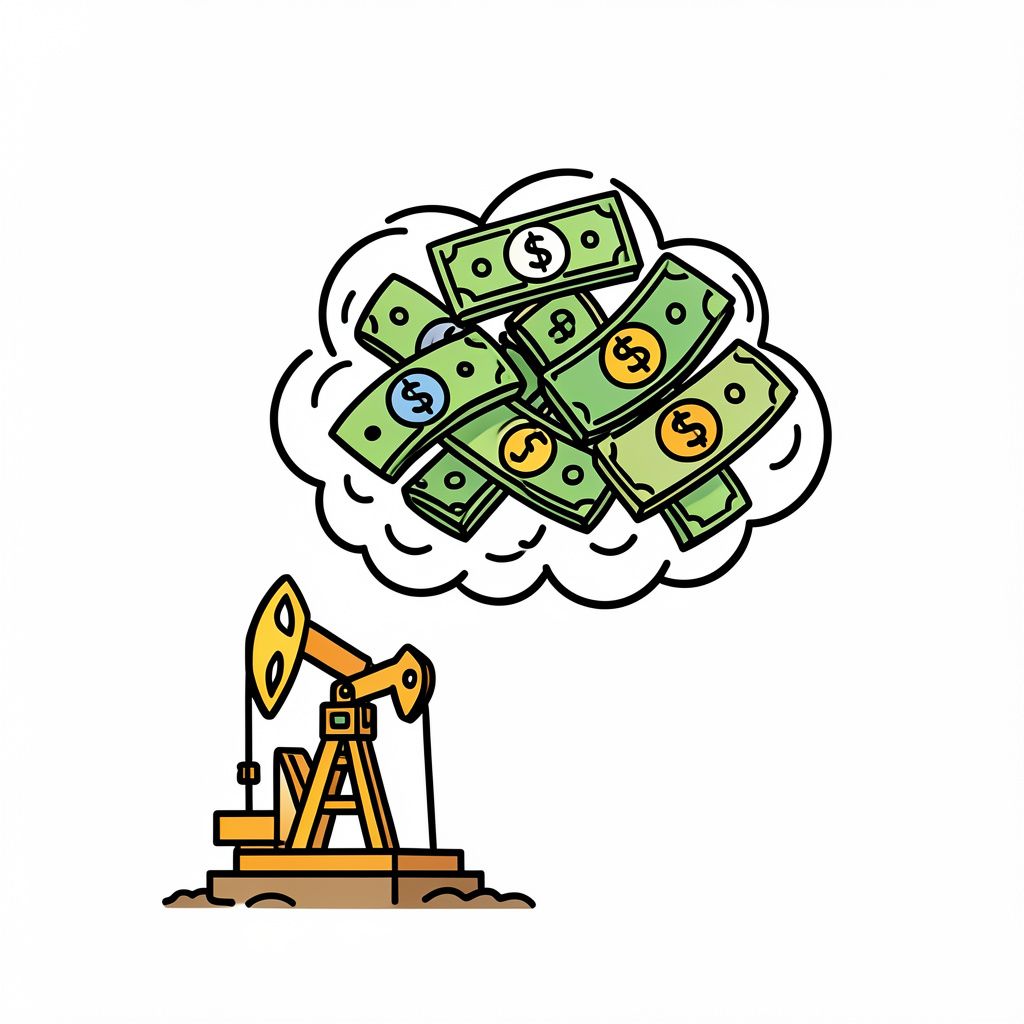
Federal plans to slash emissions rules target small wells producing merely 7% of U.S. energy yet driving half its methane output, prioritizing immediate producer cost relief over significant climate risks.
An Unlikely Target for Cost Relief
On Tuesday, 27 October 2026, President Donald Trump plans to announce a proposed rule in Lubbock, Texas, aimed at easing federal methane emissions standards for the oil and gas sector[1][3][5][9]. The administration’s focus on marginal wells—operations producing less than 15 barrels of oil equivalent per day—is particularly striking, as these wells account for just 7% of U.S. oil and gas production yet contribute approximately half of the sector’s methane emissions[1][2][3][5][7]. Methane’s global warming potential is roughly 28 times that of carbon dioxide over a 100-year period[2], meaning these small, high-emitting wells punch far above their weight in climate impact. The proposed changes are framed as a cost-saving measure for independent producers, with the Environmental Protection Agency (EPA) signaling its intent to eliminate the Biden-era Super Emitter Program, which required energy companies to respond to reports of major methane leaks[1][2][3][5][6].
The Regulatory Rollback and Its Stated Goals
The Trump administration’s proposal is part of a broader deregulatory push to lower operating costs for U.S. oil and gas producers, with EPA Administrator Lee Zeldin framing the move as necessary to reduce financial burdens on energy companies[2][5]. Zeldin has argued that Americans rely on affordable energy for heating and transportation, and that excessive regulatory costs could undermine domestic production[2][5]. The EPA’s reconsideration of the 2024 methane rules, first previewed in early October 2026, explicitly targets the Super Emitter Program and other compliance requirements that the oil and gas industry has criticized as overly burdensome[2][3][5]. The administration estimates that the proposed changes would save the oil and gas sector $45 billion while allowing an additional 210 million barrels of oil production and 1.41 trillion cubic feet of natural gas from 2027 to 2050[1].
Political Calculus Behind the Policy Shift
The timing of the announcement aligns with a high-stakes political moment: a campaign rally in Texas to bolster the prospects of Republican Senate candidate Ken Paxton in next week’s midterm elections[1][3][5][6][9]. The event in Lubbock, Texas, is not merely an environmental policy rollout but a strategic political maneuver, leveraging energy sector deregulation to rally support in a state critical to Republican electoral ambitions[1][3][5][6][9]. Analysts note that Texas, a hub for oil and gas production, stands to benefit economically from reduced regulatory costs, further incentivizing the administration’s focus on this sector[1][3][5][6]. The proposal’s elimination of the Super Emitter Program, which had been temporarily halted in 2025, underscores the administration’s commitment to rolling back climate-related regulations ahead of the elections[2][3][5].
Environmental and Economic Trade-Offs
Critics argue that the administration’s focus on marginal wells overlooks the disproportionate climate impact of these operations. Methane accounts for approximately 25% of global warming to date, despite its shorter atmospheric lifespan compared to carbon dioxide[2]. The Biden administration’s 2023 methane regulations aimed to prevent 58 million tons of methane emissions between 2024 and 2038, equivalent to removing 28 million gas-powered cars from the road for a year[1][2]. By contrast, the Trump administration’s proposal risks reversing these gains, prioritizing short-term cost savings for producers over long-term climate stability[1][2][3][5]. Industry groups like the American Petroleum Institute (API) have long opposed the Biden-era standards, citing high compliance costs[3]. However, environmental advocates warn that weakening methane controls could undermine U.S. commitments to global climate goals and exacerbate the financial risks associated with climate change[alert! ‘The long-term economic risks of increased methane emissions are not quantified in the provided sources’].
Legal and Market Uncertainties Ahead
The proposed rule faces immediate pushback from environmental advocates and is likely to trigger legal challenges that could delay or complicate its implementation[alert! ‘No specific legal challenges are cited in the provided sources, but their likelihood is inferred based on historical precedent’]. The EPA’s decision to scrap the Super Emitter Program, which had only recently been reinstated under the Biden administration, highlights the volatility of regulatory frameworks in the energy sector[1][2][3][5]. For energy executives and investors, this uncertainty complicates long-term compliance planning and may deter capital expenditures in marginal wells, despite the short-term cost relief[alert! ‘Direct evidence of investor reaction is not provided in the sources’]. Meanwhile, the administration’s focus on boosting domestic production could provide a temporary economic boost, particularly in oil-producing states like Texas, but at the potential cost of heightened climate risks[1][3][5][6][9].
Sources
- thehill.com
- oilprice.com
- www.bloomberg.com
- www.yahoo.com
- www.bloomberg.com
- www.washingtonexaminer.com
- www.reddit.com
- www.facebook.com
- www.bloomberg.com