Federal Officials Warn California's Foreign Oil Dependence Threatens Military Security
Washington, Saturday, 6 June 2026.
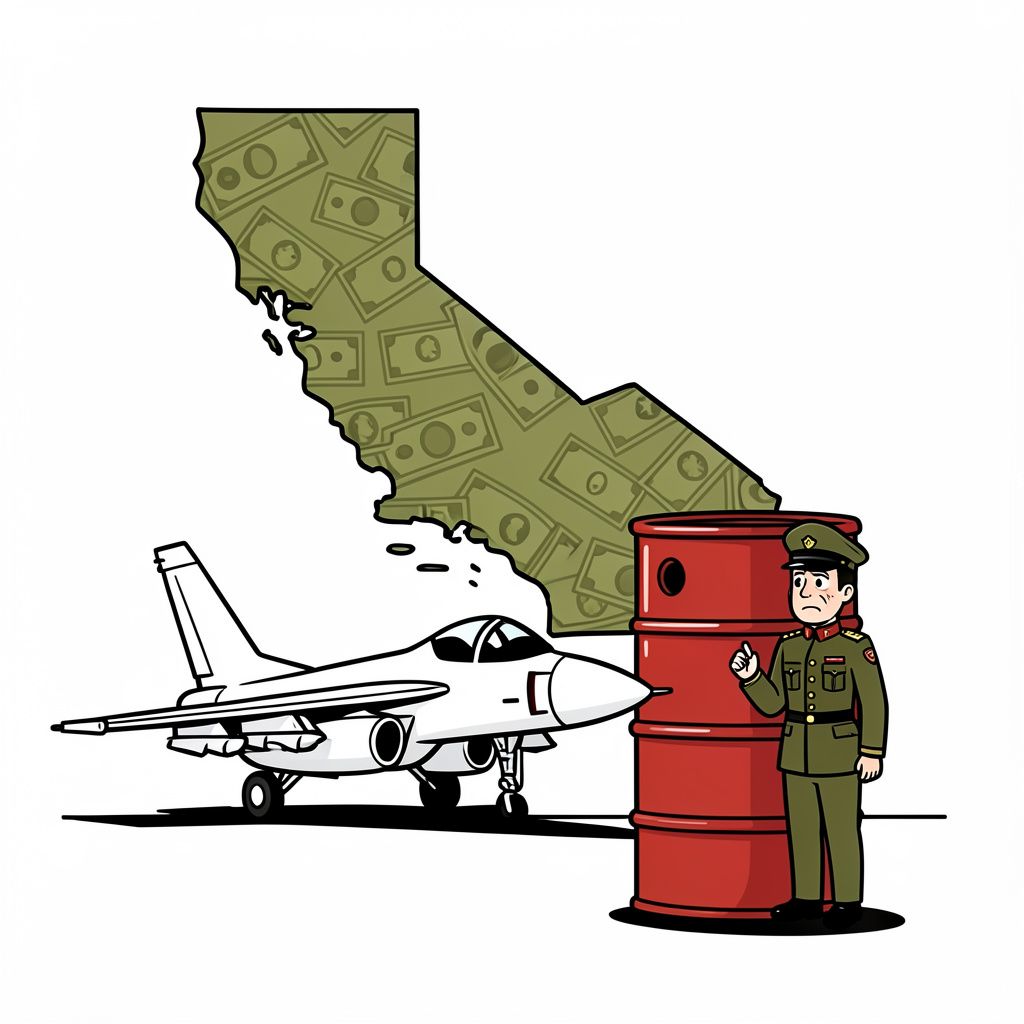
Federal officials warn California’s 60% reliance on foreign oil, notably from Iraq, severely threatens the 30 military facilities located there, sparking a major clash over state energy policies.
The Strategic Vulnerability of the West Coast
California’s energy landscape has grown increasingly precarious, driven by a confluence of stringent state regulations and shifting global geopolitics [GPT]. As of 2025, the state imported 61% of its crude oil from foreign nations, including Ecuador and Indonesia [3]. By February 1, 2026, Iraq had emerged as California’s primary foreign oil supplier [1]. The state’s refining capacity recently suffered a severe blow with the shutdown of the Phillips 66 Wilmington/Los Angeles facility and the Valero Benicia plant, which collectively eliminated approximately 20% of California’s total refining infrastructure [2]. Because nearly 90% of the state’s registered vehicles still require traditional gasoline, this heavy reliance on imports has created a highly vulnerable energy supply chain [2].
California’s Energy Crisis of May 2026
The vulnerability was laid bare in early May 2026. Prior to May 9, the final oil tanker from the Strait of Hormuz unloaded its cargo in Long Beach, effectively halting Middle Eastern oil imports to California amid the ongoing war in Iran [2]. During a legislative hearing that same week, state energy officials testified that California possessed only enough fuel reserves to meet demand for about six weeks in the event of prolonged shipping disruptions [2]. Jodie Muller, CEO of the Western States Petroleum Association, addressed the critical energy situation.