South Korea Tax Licensing Exam Integrity Shaken by Artificial Intelligence Scheme
Seoul, Sunday, 15 November 2026.
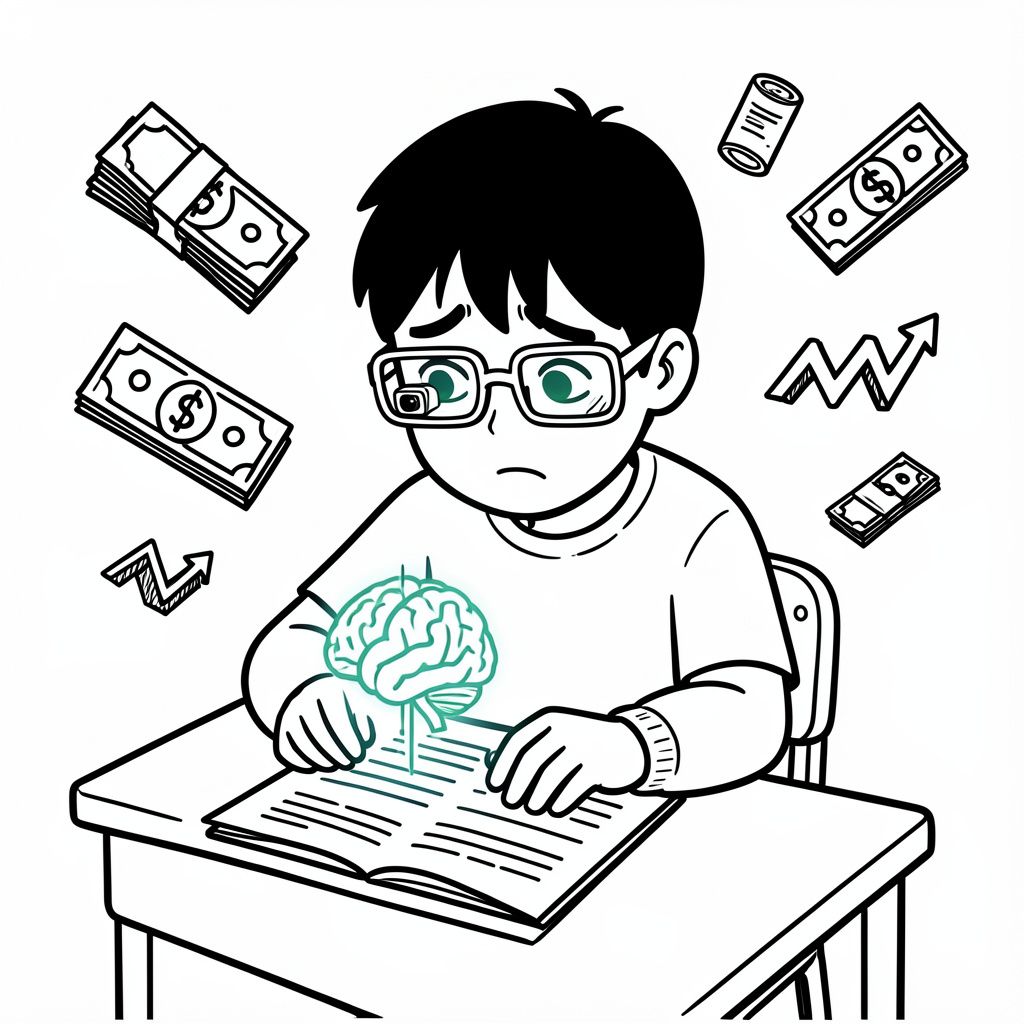
The top scorer on South Korea’s national tax exam confessed to using microcameras and generative artificial intelligence to answer 159 out of 160 questions correctly, prompting nationwide testing investigations.
The Unprecedented Cheating Scandal
The confession by Han Won-seok, the top scorer on South Korea’s 63rd national tax accountancy licensing examination, has sent shockwaves through the country’s education and regulatory systems. Han, a 34-year-old examinee, admitted to using a microcamera to photograph exam questions, transmitting them to a generative AI tool via smartphone, and receiving answers in real time during both the first and second rounds of the examination held in April and July 2026, respectively. His score of 397.5 out of 400 in the first round—missing only one question out of 160—initially sparked widespread speculation about possible cheating, particularly given the implausibility of such a high score in a standardized test with a 74.21% failure rate in Tax Law Part 1 [1][2][4][5]. The second round, completed in July 2026, saw Han achieve a score of 663 out of 800, securing his top ranking once again.
Mechanics of the Scheme and Systemic Failures
Han’s method of cheating was both sophisticated and brazen. He positioned himself in the front-row center or second-row center of the exam hall, where two supervisors were present, yet remained undetected. Using an ultra-small camera, he captured exam questions and sent them to an AI tool—identified in later reporting as models including Google Gemini 3.5 Flash-Lite and Anthropic Claude Fable variants—before receiving answers on his smartphone [5][7]. This breach of exam integrity raises critical questions about the oversight capabilities of the Human Resources Development Service of Korea, which administers the exam, and the effectiveness of on-site monitoring. The fact that Han was able to execute this scheme despite close supervision underscores systemic vulnerabilities in high-stakes certification environments [1][2][4][7].
Immediate Fallout and Government Response
The scandal has triggered a swift and comprehensive response from South Korean authorities. On November 13, 2026, Prime Minister Han Seong-sook acknowledged public concerns over AI-assisted cheating and announced that the government would conduct a thorough investigation into all national qualification exams, including the upcoming 2027 College Scholastic Ability Test [4][7]. The Blue House convened an emergency meeting on November 15, led by Policy Chief Ha Jun-kyung, to address the issue and formulate countermeasures [4][7]. The Ministry of Economy and Finance is moving to suspend Han’s tax accountant license and has instructed the National Tax Service’s Tax Accountant Qualification Deliberation Committee to withhold his certification pending further investigation [3][4]. Violators of exam integrity rules now face qualification revocation and a five-year ban from retaking the test [1][2].
Broader Implications for Education and Professional Credentials
The ramifications of this case extend far beyond the immediate scandal. South Korea’s education system, where standardized test scores heavily influence social mobility and career trajectories, is facing unprecedented scrutiny. The incident has reignited debates about the integrity of professional licensing exams and the preparedness of regulatory bodies to detect and deter AI-assisted cheating. It also highlights the growing sophistication of cheating methods, including the use of AI glasses, which have been documented in other instances such as the October 2026 university entrance exam cheating attempts in Seoul [1][2][5]. The government’s response suggests a shift toward stricter oversight, with plans to establish dedicated investigation teams to monitor and prevent cheating in national qualification exams [4][7]. For corporate executives and compliance officers, this scandal serves as a cautionary tale about the importance of verifying the authenticity of professional credentials in regulated markets.
The Examinee’s Motives and Public Apology
In a widely circulated YouTube confession video posted on November 15, 2026, through the channel of his lawyer, Lee Don-ho, Han expressed deep remorse for his actions. He admitted that his primary motivations were financial difficulties, exacerbated by the economic impact of the Russia-Ukraine war on his self-owned business, as well as a desire to impress his parents and secure a lucrative career path [1][2][3][4][5][6][7]. Han’s confession video has garnered over 1 million views within hours, reflecting the public’s intense interest in the scandal and its broader implications for societal trust in professional certification systems.
Sources
- www.bbc.com
- www.theguardian.com
- www.chosun.com
- www.joongang.co.kr
- www.hani.co.kr
- namu.wiki
- www.yna.co.kr