Nvidia Opens GTC 2026 Amid Expectations of a Major Shift Beyond GPUs
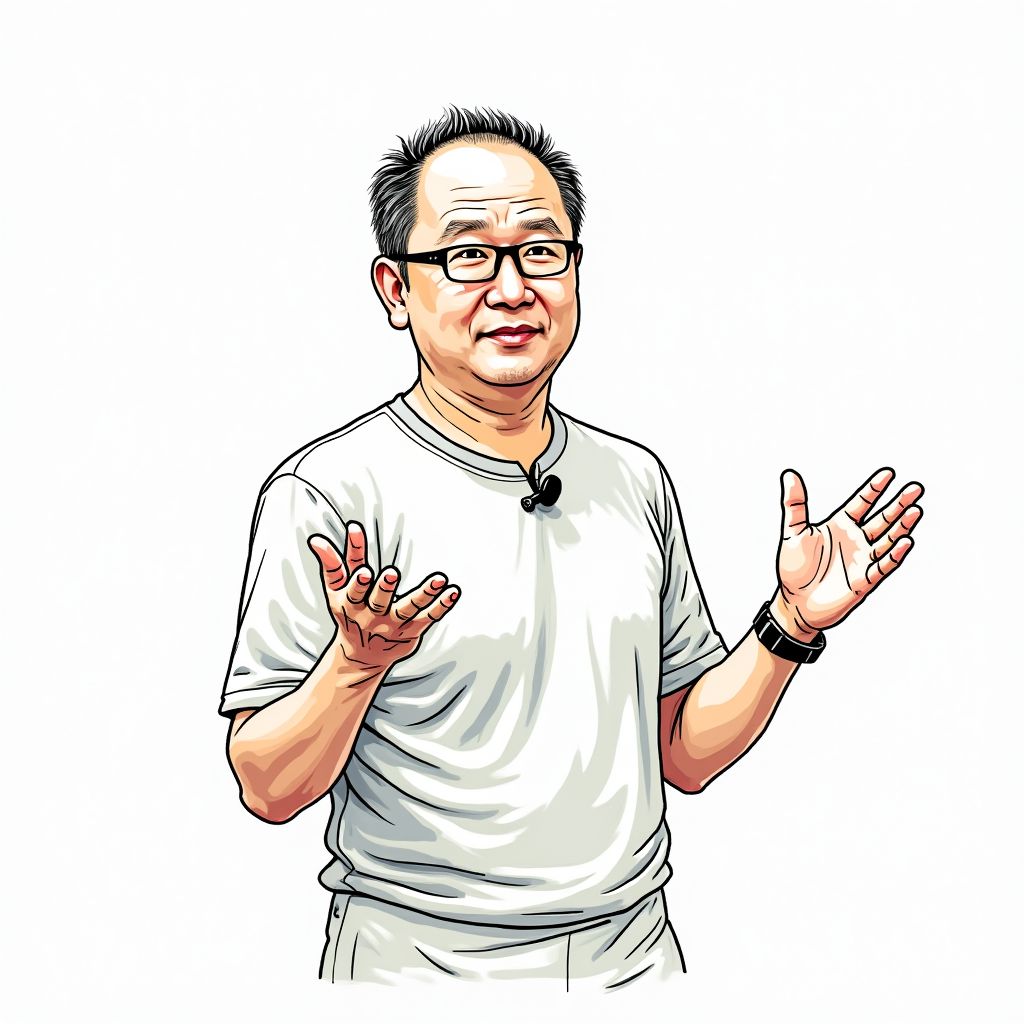
San Jose, Monday, 16 March 2026.
Nvidia’s highly anticipated GTC 2026 opens today in San Jose. Investors await CEO Jensen Huang’s keynote, expecting a strategic hardware pivot and details on a $20 billion Groq partnership.
The “Super Bowl of AI” Takes Over San Jose
Dubbed the “Super Bowl of AI,” Nvidia’s (NASDAQ: NVDA) GPU Technology Conference (GTC) 2026 runs from March 16 through March 19 in San Jose, California [1][2]. The sheer scale of the event, which is expected to draw more than 30,000 visitors to the SAP Center and surrounding convention areas, has prompted local authorities to implement significant road closures that will remain in place through Sunday, March 22 [2]. The centerpiece of the conference is the highly anticipated keynote address by founder and CEO Jensen Huang, scheduled to begin at 11 a.m. PT today [1][3].
Integrating Groq and the Focus on Inference
A major focal point for investors is the anticipated materialization of Nvidia’s relationship with Groq, an inference-focused startup whose technology Nvidia reportedly licensed for $20 billion in late 2025 [3]. Key members of the Groq team, including founder Jonathan Ross, have since joined Nvidia [3]. At GTC 2026, Nvidia is expected to showcase hybrid compute trays that blend Groq’s Language Processing Unit (LPU) architecture with Nvidia’s Vera Rubin systems [4][5]. These LPUs are rumored to be available in 64, 128, and 256-unit configurations, linked directly to Rubin GPUs via NVLink Fusion to enable highly efficient, disaggregated inference [4][5].
CPUs Emerge as the New AI Bottleneck
Perhaps the most surprising pivot at a conference historically dedicated to GPUs is the newfound emphasis on Central Processing Units (CPUs) [6]. According to Dion Harris, Nvidia’s head of AI infrastructure, CPUs are increasingly becoming the primary bottleneck in scaling out complex AI and agentic workflows [6]. To address this constraint, Nvidia is poised to unveil new details about its agentic-optimized processors and is expected to display a CPU-only rack on the GTC showroom floor [6]. The company’s proprietary Vera CPU is already in production and is slated for large-scale deployment by Meta in 2027 [6].
Mapping the Future: Rubin Ultra and Feynman
Looking further down the hardware roadmap, Huang is expected to provide critical updates on the Rubin Ultra GPUs and the development of the NVL576 system [5]. This future generation, internally referred to as “Kyber,” will feature vertical blades and an 800 VDC power-delivery model, with a projected rollout in the second half of 2027 [5]. Furthermore, attendees anticipate a deep dive into Feynman, Nvidia’s next-generation AI architecture [4][5]. Expected to represent a major design revamp, Feynman is rumored to utilize TSMC’s advanced A16 manufacturing process, though Nvidia is also reportedly considering Intel’s 14A process to diversify its foundry reliance for these future chips [4][5].