Federal Rule Changes Cut Food Aid for 120,000 Virginians as Prices Rise
Richmond, Thursday, 17 September 2026.
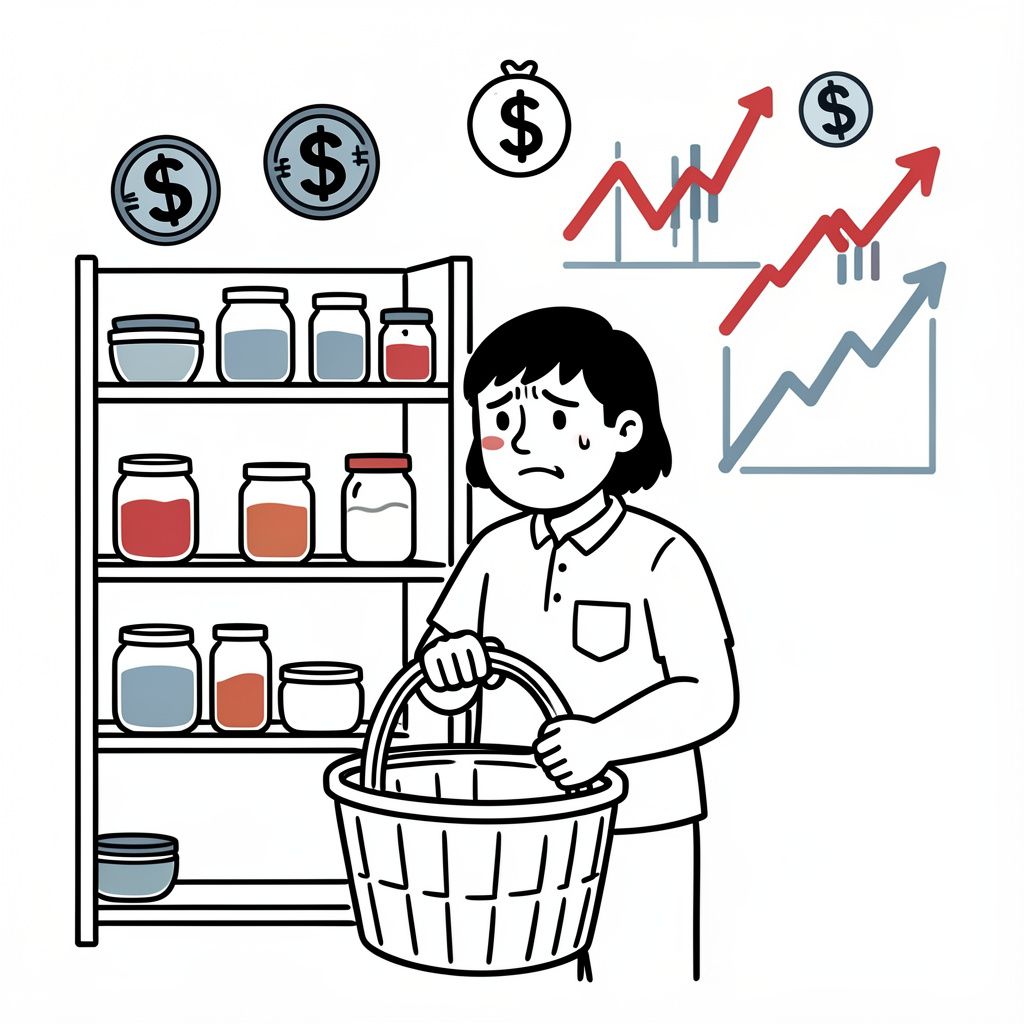
Stricter federal rules dropped 120,000 Virginians from food assistance since 2025, leaving local food pantries overwhelmed as food prices continue to climb statewide.
Enrollment Decline and Federal Policy Shifts
Since July 2025, Virginia has seen a significant reduction in Supplemental Nutrition Assistance Program (SNAP) participation, with approximately 120,000 fewer residents receiving benefits as of September 2026 [1]. This decline represents a 14% decrease in enrollment, dropping from approximately 867,000 participants to 750,000 participants following the enactment of federal law H.R. 1, also known as Public Law 119-21 [1]. The legislation, signed into law in July 2025, aims to reduce federal food aid spending by $187 billion over a decade and introduced stricter eligibility criteria [1]. Key changes include raising the work exemption age from 54 to 64 and lowering the child age exemption from 18 to 14 [1]. Furthermore, waivers for work requirements in localities with high unemployment now require a 10% unemployment rate, a threshold no Virginia locality currently meets as of 2025 data [1]. Nationwide, similar policies under the ‘One Big Beautiful Bill Act’ have contributed to roughly 5 million fewer Americans receiving food stamp benefits [3].
Economic Pressure on Households and Food Pantries
Concurrent with reduced aid access, food prices have risen 3% between July 2025 and July 2026, with specific commodities like beef increasing by 9% and fresh vegetables by 6% [1]. This inflation compounds previous price increases, where food prices rose nearly 10% in 2022, placing additional strain on low-income households [1]. Non-profit food pantries report struggling to absorb the resulting demand surplus, with the Federation of Virginia Food Banks noting a 10% to 20% year-over-year increase in demand at distribution sites since 2023 [1]. Annual food purchasing costs for these banks have risen from $5–6 million pre-pandemic to $20–30 million since 2023 [1]. Local leaders indicate that pantries are not equipped to support the magnitude of people now relying on them, signaling potential downward pressure on retail consumer spending among low-income households [1]. In Southwest Virginia, food insecurity impacts one in eight residents, with rates as high as one in five in some counties [1].
Administrative Costs and Future Budgetary Risks
Starting October 1, 2026, Virginia faces increased financial responsibility for SNAP administrative costs, with the federal share reducing from 50% to 25% [1]. This shift forces the state to fund approximately $93 million in additional annual administrative costs, though some estimates suggest the reduction in federal funds could reach $94 million annually [2]. Looking further ahead, starting in October 2027, states with SNAP eligibility or benefit determination error rates at or above 6% must cover a portion of benefit costs [1]. Virginia’s 2025 error rate was 12.3%, potentially creating a cost burden of over $270 million annually if the rate is not reduced to at or below 6% by October 1, 2027 [2]. In response, the Virginia General Assembly approved a budget in late June 2026 allocating $135 million for projected SNAP cost increases and $2.4 million for a quality assurance team [1]. Additionally, proposed cuts to the WIC budget, including a $200 million reduction from the current $8.2 billion, threaten further strain on nutrition safety nets later in 2026 [1].