Justice Samuel Alito Refuses to Step Down Despite Democratic Senate Victory
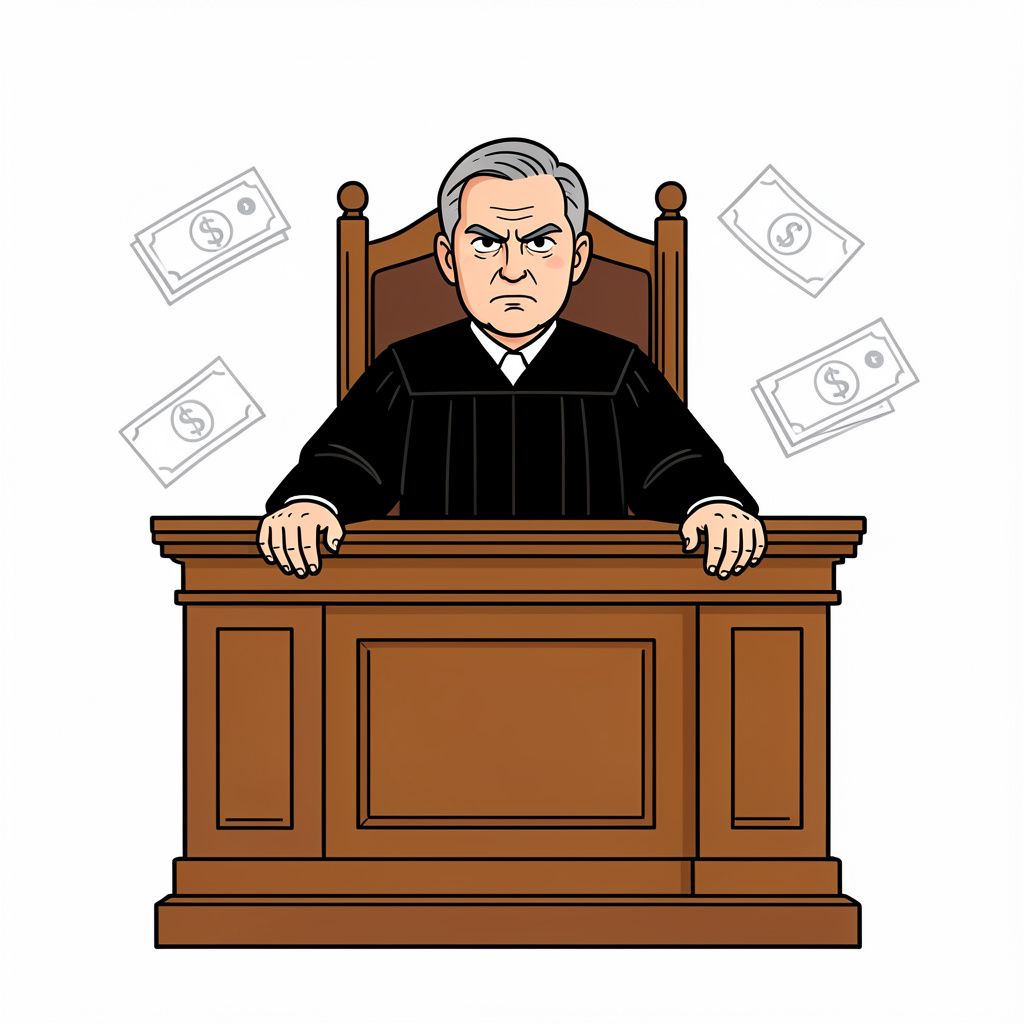
Washington, Friday, 6 November 2026.
Justice Samuel Alito will remain on the bench through June, defying conservative calls to step down before Democrats take the Senate and effectively blocking a like-minded replacement until potentially 2033.
Alito’s Stance Defies Conservative Expectations After Midterm Shifts
Supreme Court Justice Samuel Alito has formally declared he will remain on the bench through the conclusion of the current term in June 2027, directly contradicting conservative strategists who anticipated a strategic retirement ahead of Democrats’ impending Senate majority. Alito’s decision, disclosed to associates on November 4, 2026 [alert! ‘timing based on reports from The New York Times’], signals a deliberate delay in retirement plans despite mounting pressure from allies to secure a conservative successor before Democrats assume control of the Senate in January 2027 [1][2][4][7]. Conservative legal analyst Ed Whelan reinforced this assessment, stating that ‘no justice is going to announce in the next few days that he will be stepping down’ and emphasizing that ‘justices don’t make snap decisions about retiring’ [1][4].
Strategic Implications for the Conservative Supermajority
The implications of Alito’s decision extend beyond immediate political calculations, potentially reshaping the trajectory of the Supreme Court’s ideological balance. With Justice Clarence Thomas, aged 78, also facing retirement speculation, the conservative supermajority established in 2020 could face prolonged uncertainty [3][8]. The Wall Street Journal noted that any vacancy created by Alito or Thomas would likely remain unfilled until at least 2029, and potentially later if Republicans fail to regain the Senate in future elections [5]. This scenario underscores the high stakes of the 2026 midterm outcomes, which saw Democrats secure a projected 55-seat majority in the Senate, effectively closing the confirmation window for Trump-appointed successors during his current term [2][7].
Political and Legal Reactions to Alito’s Announcement
The announcement has triggered a wave of reactions from political and legal circles, with figures like Florida Governor Ron DeSantis publicly questioning the feasibility of confirming a conservative successor before 2029. In a November 5, 2026 post on X, DeSantis stated that ‘the chance of confirming a worthy successor to Justice Thomas and/or Alito during President Trump’s term: Zero,’ adding that even a hypothetical Republican administration in 2029-2033 might struggle to secure Senate confirmation [3]. Meanwhile, Senator Susan Collins’ loss in the Maine midterm race further diminishes the likelihood of bipartisan support for any future Supreme Court nominee, as her replacement would likely align with the Democratic majority [9]. Legal scholars, including Robert Luther III, have cautioned against premature retirements, with Luther stating, ‘I don’t anticipate any retirements before January, and frankly, I wouldn’t advise it’ [1].
Broader Context: The Supreme Court’s Future in a Divided Political Landscape
Alito’s refusal to retire immediately reflects a broader strategic calculus within conservative legal circles, where the preservation of the 6-3 conservative majority remains a top priority. The Washington Post highlighted that the lame-duck session before January 2027 represents the final opportunity for President Trump to advance a Supreme Court nomination, given the Democratic Senate majority’s likely opposition to any conservative replacement [2]. This dynamic has intensified scrutiny on the Supreme Court’s independence, with The Wall Street Journal arguing that ‘a nakedly political move’ by justices to retire prematurely could ‘undercut any effort to preserve the high court’s independence’ [5]. As the nation grapples with the aftermath of the midterms, the prolonged uncertainty surrounding the Court’s future underscores the deepening polarization of American politics and the institutional challenges facing judicial continuity.
Sources
- www.nytimes.com
- www.washingtonpost.com
- www.foxnews.com
- www.cleveland.com
- www.wsj.com
- www.facebook.com
- www.thedailybeast.com
- www.ms.now