Donald Trump Discloses $45,000 Private Cash Gifts to Top White House Staff
Washington, Wednesday, 9 September 2026.
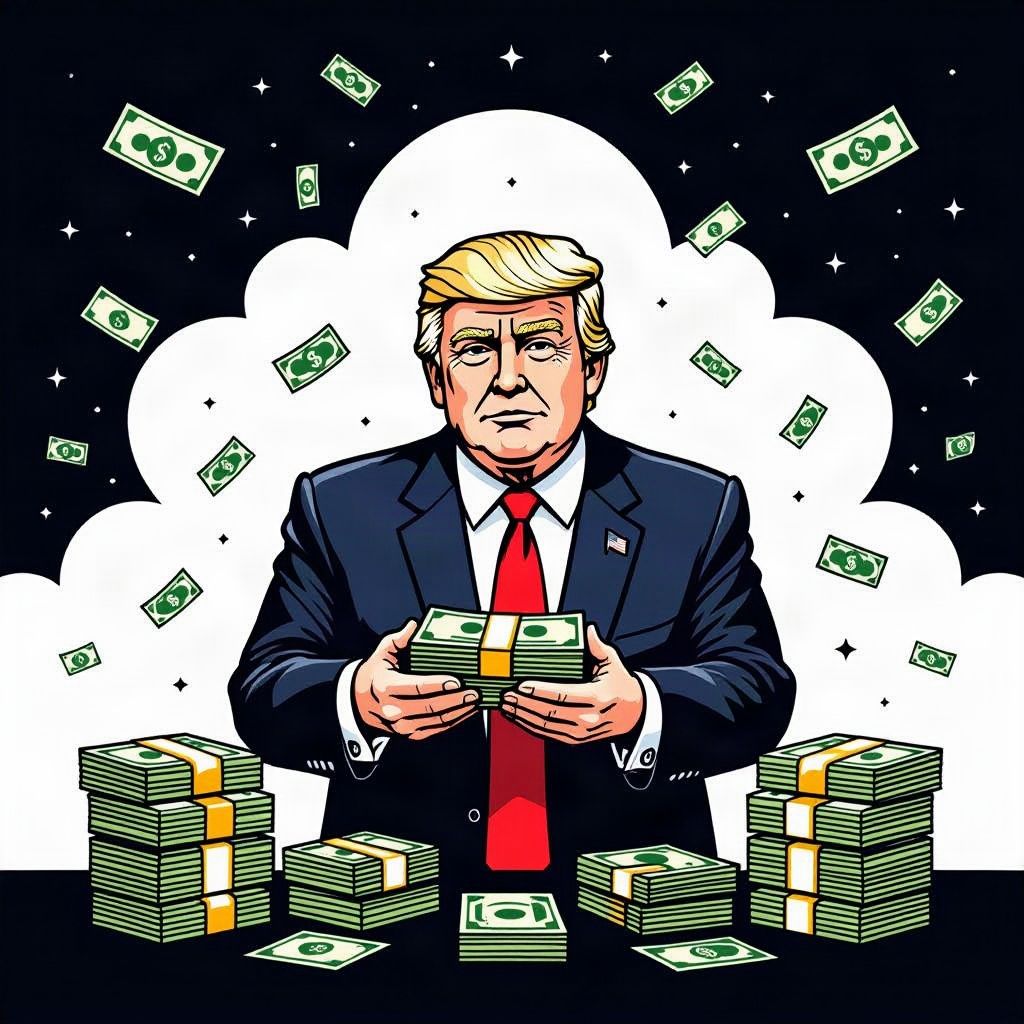
Financial disclosures reveal President Donald Trump gave $45,000 cash gifts—equal to nearly one-third of their official salaries—to key White House aides, sparking significant legal and ethical scrutiny.
Unprecedented Cash Disclosures
Newly released federal financial disclosures reveal that President Donald Trump provided $45,000 cash gifts to his executive assistant Natalie Harp and two other close White House advisers [1][4]. The financial disclosures, made public on 8 September 2026, indicate that these substantial payouts amount to nearly one-third of the aides’ official salaries, drawing intense scrutiny from legal experts and ethics analysts [1]. The recipients of these gifts include Natalie Harp, Margo Martin, and Chamberlain Harris, with an additional $20,000 gift disclosed for Walt Nauta [4].
Legal and Ethical Boundaries
Federal law strictly prohibits the receipt of outside income while serving as a full-time federal employee, a statute designed to prevent conflicts of interest and divided loyalty [3]. Legal experts note that Harp and others work for the federal government, and not in the personal employ of the president, making the payments potentially problematic under existing regulations [3]. Richard Painter, a former Chief White House ethics lawyer, stated that the gifts could violate a federal law prohibiting outside payments from supplementing the salaries of federal employees [4].
White House Response
In response to the disclosures, the White House Press Office described the payments as a longstanding practice of giving Christmas gifts to people in the president’s orbit [4]. Officials maintained that the gifts have nothing to do with any of these individuals’ official government duties and are entirely permissible [4]. This defense attempts to categorize the transfers as personal holiday gifts unrelated to White House work, which would provide a stronger legal defense against salary-supplementation claims [4].
Broader Implications
The situation underscores the ongoing tension between private financial conduct and public ethical standards in the executive branch. Dave Aronberg noted on 8 September 2026 that the payment amount creates significant legal risks compared to minor personal gifts, potentially leading to ethics investigations, civil penalties, or criminal scrutiny [4]. Natalie Harp, executive assistant to President Trump, has recently faced increased scrutiny regarding her proximity and access to the President, evidenced by her presence alongside him at Joint Base Andrews, Maryland, on 27 August 2026 [4].