Toys 'R' Us Accelerates Retail Comeback With Nationwide Expansion
New York City, Saturday, 21 November 2026.
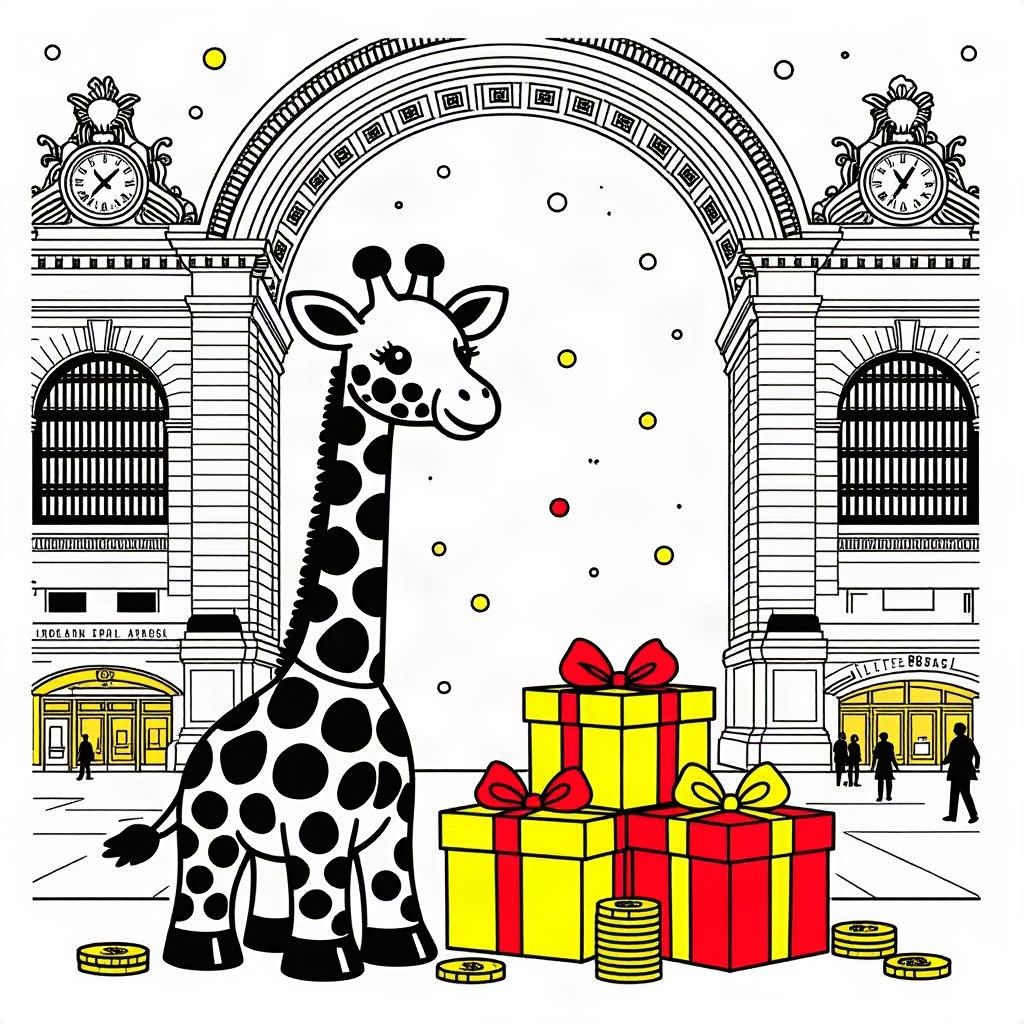
Surpassing expansion targets, Toys ‘R’ Us launched over 160 standalone stores nationwide ahead of the holidays, highlighted by an opening inside New York’s Grand Central Terminal.
A Strategic Revival: Toys ‘R’ Us Makes Waves 8 Years After Closure
On Friday, November 20, 2026, Toys ‘R’ Us achieved a landmark milestone in its corporate revival by opening a flagship store inside New York City’s Grand Central Terminal, marking the brand’s physical return to Manhattan for the first time since its liquidation in 2018[1][2]. The Grand Central Terminal location, inaugurated with a ribbon-cutting ceremony featuring the brand’s mascot Geoffrey the Giraffe, represents the culmination of a nationwide expansion that now includes over 160 standalone stores across the United States[1][2]. This rapid deployment—surpassing the company’s original goal of 120 openings before the holiday season—signals a deliberate pivot toward high-traffic transit hubs and experiential retail formats designed to compete with digital-first competitors like TikTok Shop[2][3].
From Bankruptcy to Big Retail: The Financial and Operational Turnaround
The brand’s resurgence follows a near-decade-long hiatus after filing for Chapter 11 bankruptcy in September 2017 with $5 billion in debt[3]. Following the liquidation of its U.S. stores in 2018, Toys ‘R’ Us entered a period of restructuring under new ownership. In 2021, WHP Global acquired the brand, launching a phased re-entry into physical retail through partnerships with Macy’s and, later, a joint venture with Go! Retail Group[2][3]. The collaboration with Go! Retail Group has enabled the deployment of a lighter real estate model, including both permanent locations and approximately 120 seasonal pop-ups[3]. WHP Global now reports that Toys ‘R’ Us generates over $2 billion in annual retail sales across more than 1,800 stores in over 37 countries, underscoring the scalability of its new operational approach[3].
Holiday Season Launch Aligns With Consumer Demand Trends
The timing of the expansion is strategically aligned with a surge in U.S. toy sales during the first nine months of 2026. According to Circana data cited by TheStreet, U.S. toy sales increased 20% year-over-year between January and September 2026, driven by collectibles (up 56% ), licensed products (up 27% ), and strong demand from consumers aged 12 and older[3]. TikTok Shop’s rapid ascent—where toy sales nearly tripled to reach $1.6 billion—positions it as the fourth-largest U.S. toy retailer, intensifying pressure on legacy brands to innovate beyond price competition[3]. Toys ‘R’ Us has responded by differentiating its new stores with curated assortments featuring LEGO, Barbie, Hot Wheels, KPop Demon Hunters, and creator studios, alongside candy shops and cafés[3][4].
Urban Transit Hubs and Brand Nostalgia: The Core of the Comeback Strategy
The Grand Central Terminal store exemplifies the brand’s new retail philosophy: situating flagship locations in high-foot-traffic urban transit hubs to capture commuters, travelers, and collectors alike[1][2]. This strategy mirrors the brand’s existing footprint inside Macy’s department stores—now numbering over 400 locations—and leverages experiential formats to compete against mass-market rivals like Target and Walmart[4]. Industry observers note that Toys ‘R’ Us must offer more than nostalgia to sustain this momentum, emphasizing interactive experiences and knowledgeable staff as key differentiators[3]. With holiday shopping already underway, the brand’s leadership is betting on a multi-pronged retail ecosystem—spanning standalone stores, Macy’s shops, and pop-ups—to reclaim market share and rebuild consumer trust in its physical retail presence.