Donald Trump Defends Calling Vladimir Putin a Friend Amid Rising European Security Concerns
Washington, Saturday, 21 November 2026.
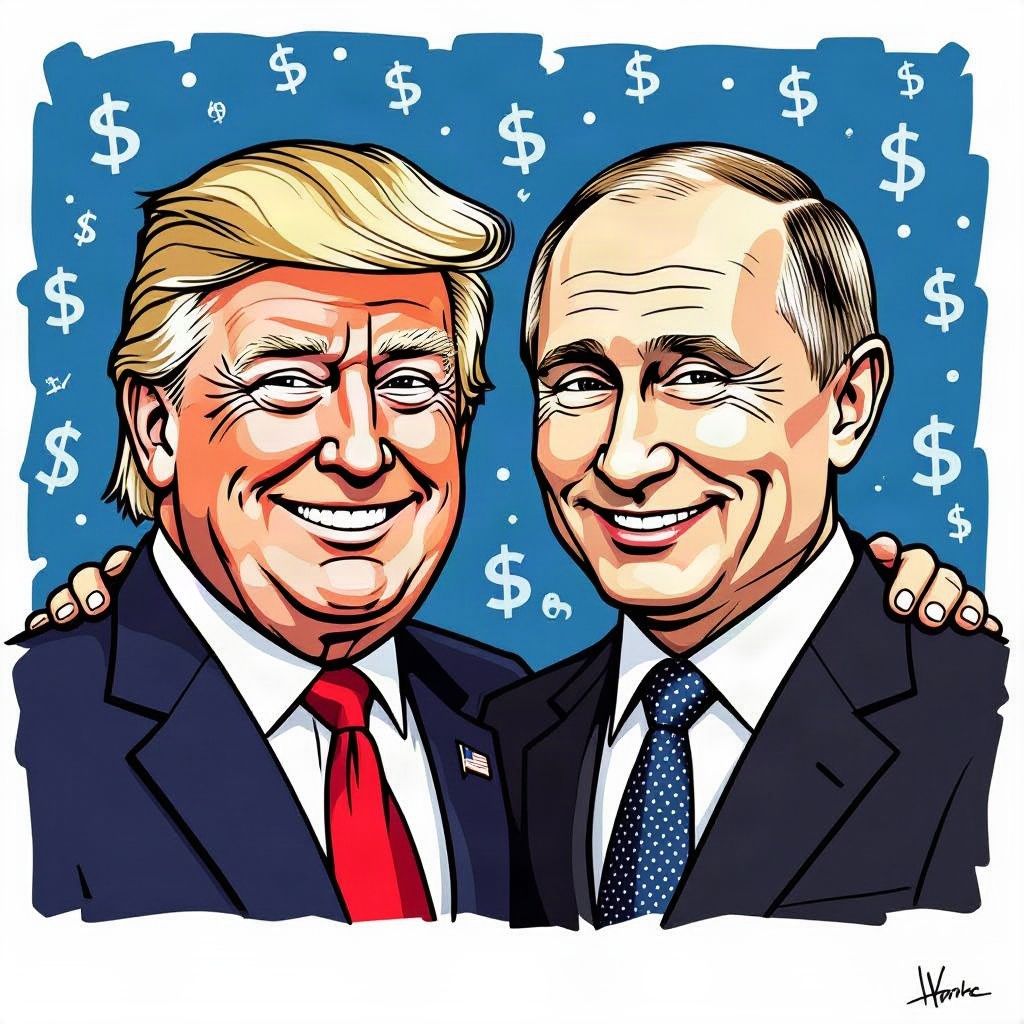
According to the Associated Press, President Donald Trump defended his personal relationship with Vladimir Putin following summit talks, even as allied leaders sharply questioned the diplomatic optics amid ongoing strikes in Ukraine.
A Historic Trilateral Summit Overshadowed by Geopolitical Tensions
On November 18–19, 2026, U.S. President Donald Trump met with Russian President Vladimir Putin and Chinese President Xi Jinping on the sidelines of the Asia-Pacific Economic Cooperation (APEC) summit in Shenzhen, China. The three leaders issued a joint statement committing to United Nations reforms, increased oil product supply, and nuclear risk reduction, though no concrete breakthroughs were achieved during the talks [1][5]. Concurrently, Russian forces launched missile and drone strikes against Kyiv and multiple Ukrainian regions on November 20, killing and wounding civilians during the fifth year of the invasion [3][5]. The juxtaposition of diplomatic engagement and ongoing military escalation underscored the fragile nature of the proceedings.
Trump Defends Personal Relationship with Putin
At a White House press conference on November 20, 2026, President Trump reiterated his characterization of Putin as a friend, stating, ‘I consider him to be somebody that I have a very good relationship with. It’s actually very good.’ He added that he could not definitively speak to whether Putin considered the U.S. a friend in return, emphasizing the personal dynamics of the relationship over geopolitical alignments [1][2][4]. Trump’s remarks came just hours after a Russian bombardment of Ukraine killed at least eight civilians and injured over two dozen using more than 400 drones and 110 missiles [1][2]. Analysts noted that such statements risked undermining NATO cohesion and emboldening Moscow amid ongoing hostilities [6]. Polish Prime Minister Donald Tusk’s public criticism—‘God, protect us from such friends’—highlighted the diplomatic fallout, as regional leaders questioned the optics of Trump’s embrace of Putin amid heightened security threats [6].
European Allies React to Trump’s Remarks Amid Escalating Regional Threats
Trump’s characterization of Putin as a friend sparked sharp rebukes from European leaders, including Polish Foreign Minister Radosław Sikorski, who questioned which ‘friend’ the U.S. president would prioritize in a crisis. The remarks followed reports that two Russian missiles and a suspected drone had entered Polish airspace during European military exercises, prompting Poland to announce the closure of its road border crossings with Russia for at least six months [6]. Estonian authorities similarly cited security risks in their decision to close border crossings. Senate Minority Leader Chuck Schumer condemned the remarks as ‘embarrassing, despicable, and quite frankly pathetic,’ while Ukrainian President Volodymyr Zelenskyy responded with silence during a press conference, shrugging and walking offstage [6]. Analysts warned that Trump’s rhetoric risked normalizing Putin’s international standing, particularly as Russia faces International Criminal Court arrest warrants for war crimes and accusations of election interference and cyberattacks [6].
Diplomatic Dissonance: U.S. and Russian Positions on Ukraine’s Future
During the summit, Jared Kushner, Trump’s envoy, claimed that Russia was ‘comfortable with NATO Article 5-based security guarantees’ for postwar Ukraine, a statement swiftly rejected by Russian Deputy Foreign Minister Sergei Ryabkov, who emphasized that Moscow’s focus remained on its own security [1]. The divergent messaging highlighted the disconnect between U.S. diplomatic signaling and Russian strategic priorities. Meanwhile, Trump asserted that Putin wanted to end the war in Ukraine through diplomatic means, describing the conflict as a ‘public relations war,’ though no tangible steps toward de-escalation were announced [2][4]. The lack of progress contrasted with Trump’s earlier claim that Putin had told him the 2022 invasion ‘would have never happened’ if Trump were president, a statement that remains unverifiable [2]. As regional tensions mounted, the trilateral summit’s limited outcomes underscored the challenges of balancing personal diplomacy with the harsh realities of ongoing conflict.