Why Government Subsidies Are Pushing the Global Economy to the Brink
Washington, Saturday, 17 October 2026.
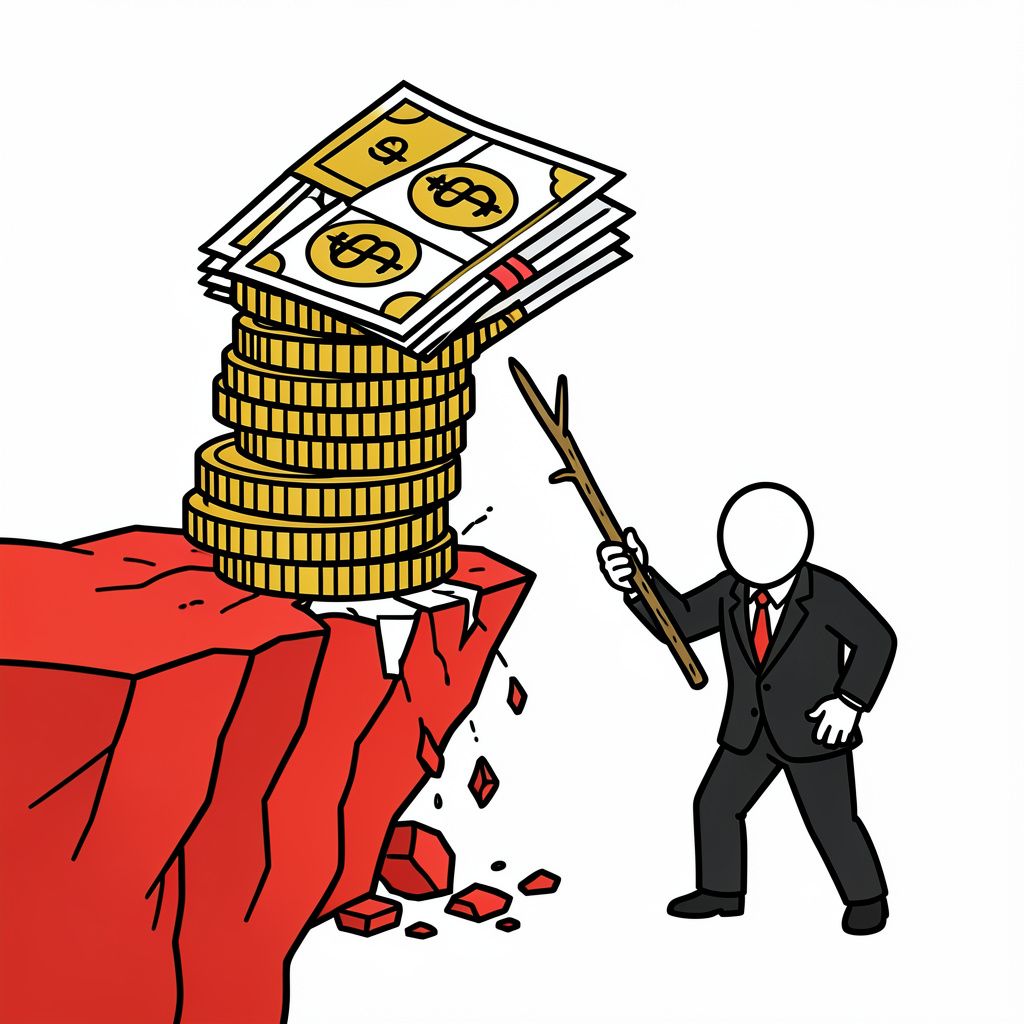
The IMF warns that government subsidies shielding consumers from high energy prices are fiscally unsustainable, driving public debt to dangerous levels despite temporary global economic resilience.
Why Government Subsidies Are Pushing the Global Economy to the Brink
The International Monetary Fund (IMF) has issued a stark warning that the global economy’s unexpected resilience against geopolitical turmoil and high energy prices is largely sustained by unsustainable levels of government subsidies [1]. Policymakers from over 100 countries gathered at the Queen Sirikit conference centre in Bangkok for the IMF annual meeting during the week of October 12–16, 2026, where the fragility of this fiscal support was a central theme [1]. IMF Managing Director Kristalina Georgieva cautioned that relying on massive public spending to cushion macroeconomic shocks poses major fiscal risks for policymakers and businesses planning for 2027 [1]. The consensus among economists is that while these measures have prevented a synchronized crisis, they have depleted fiscal buffers needed for future stability [3].
The Unsustainable Cost of Energy Support
According to the IMF’s World Economic Outlook report, global energy support measures implemented to counter rising oil prices have cost the global economy 0.5% of GDP [1]. Public debt in advanced economies is projected to rise from 108% of GDP in 2025 to 115% of GDP in 2031, representing a significant increase in leverage 6.481 [1]. In low-income countries, the situation is even more precarious, with debt service costs increasing from 6% of revenue a decade ago to 14% today, a rise of 133.333 [3]. Advanced economies have been identified as the worst offenders for failing to rebuild fiscal buffers during the post-pandemic recovery, leading to rising yields that spill over into emerging markets [3].
Targeted Relief Over Blanket Subsidies
IMF officials have urged nations to replace blanket fuel subsidies with targeted support for vulnerable households to reduce fiscal strain and improve market efficiency [2]. During the IMF Fiscal Affairs Department briefing on October 7, 2026, Director Rodrigo Valdés stated that blanket subsidies are regressive and often benefit high-income households rather than those in need [2]. This advice was specifically directed at countries like Nigeria, where the IMF warned against reinstating blanket petrol subsidies amid mounting political pressure ahead of elections [4]. Valdés emphasized that while protecting people is essential, protecting the price of fuels is not the most effective method, advocating instead for digital payment systems and geographical targeting [3][4].
AI Boom Versus Geopolitical Shocks
The global growth trajectory is currently being pulled in two opposite directions: dragged down by negative energy supply shocks from the Middle East conflict and pushed up by positive AI demand shocks [3]. Economies integrated into the AI supply chain, such as Thailand, Malaysia, and South Korea, have performed better, though market volatility remains high with South Korea’s Kospi index experiencing a 14.5% decline for the week ending October 16, 2026 [1]. Georgieva warned that too many countries did not use the post-pandemic recovery to rebuild fiscal buffers, and each new shock has pushed debt levels higher [3]. The IMF’s loudest call to policymakers is to make urgent repairs to the fiscal house before the cracks widen [1].