U.S. Aid Deals Force African Nations to Choose Between Health Data or Lives
Washington DC, Wednesday, 17 June 2026.
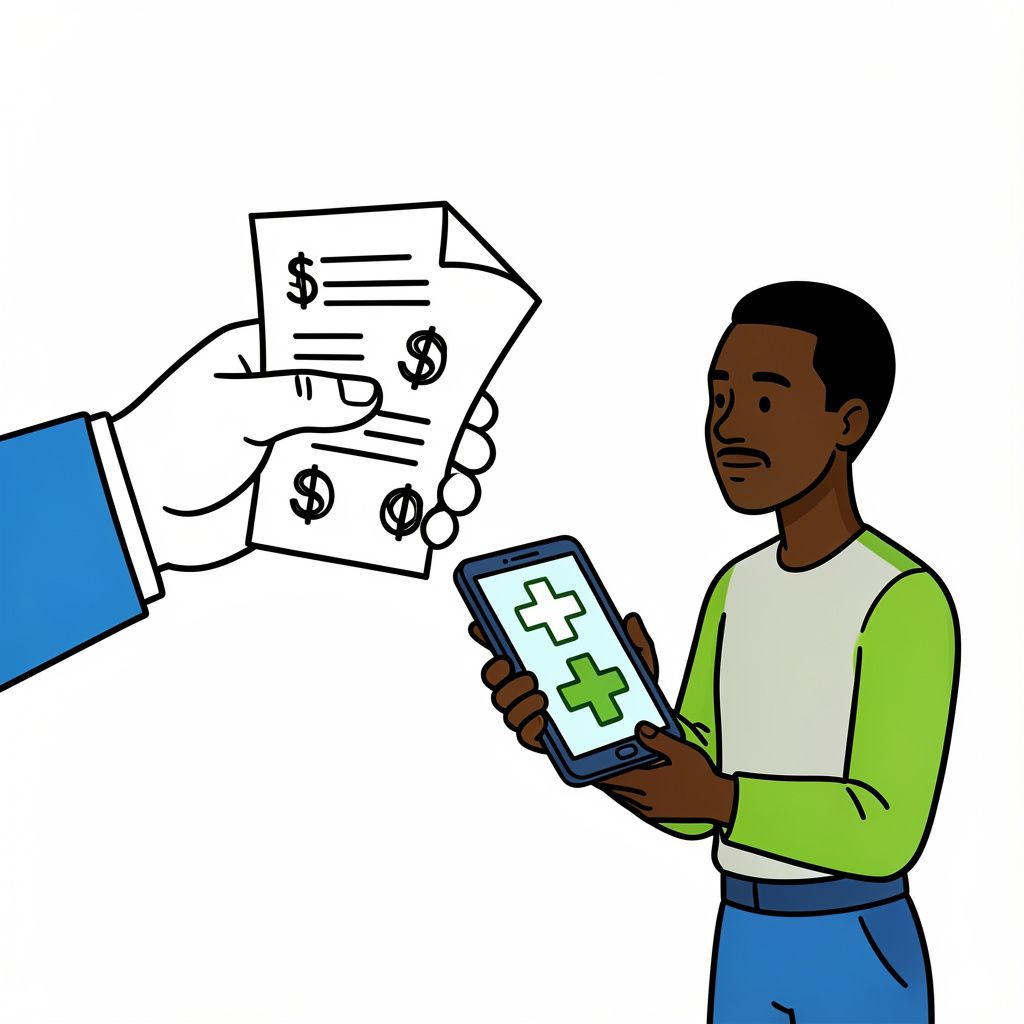
The U.S. is conditioning billions in lifesaving aid on African nations surrendering health data of millions, sparking accusations of ‘digital colonialism.’ Uganda accepted a $1.7B deal despite risks, while Zambia and Ghana rejected terms. Critics warn of exploitation, as data could be misused or breached—with no guarantees of protection.
The Bargain: Health Data for Humanitarian Aid
In closed-door negotiations spanning late 2025 to mid-2026, the United States government has embedded health data access clauses into aid agreements with African nations, effectively making the surrender of sensitive medical information a prerequisite for receiving lifesaving assistance [1]. Uganda became the first nation to accept these terms on December 10, 2025, securing a $1.7 billion aid package over five years (2025-2030) for HIV, malaria, tuberculosis, and polio treatment and prevention programs [1]. The agreement grants the U.S. seven years of real-time access to nine of Uganda’s health data systems, including its national electronic medical records repository—two years beyond the duration of U.S. financial support [1]. Kenya followed suit on December 4, 2025, signing a $1.6 billion deal that similarly ties aid to seven years of health records access [3]. These agreements are part of the Trump administration’s America First Global Health Strategy, launched in September 2025, which explicitly conditions aid on benefits to U.S. national interests [1][3].
The Terms: What African Nations Are Signing Away
The data-sharing agreements extend far beyond traditional public health surveillance. Uganda’s memorandum of understanding (MoU) requires compliance with both nations’ laws and permits the sharing of ‘sensitive personal data’ under specific conditions, including individual consent, public health emergencies, or when ‘timely and accurate data’ is required [1]. Liberia’s agreement goes further, mandating ‘interlinked and interoperable’ systems for surveillance, laboratory, response, health, environment, and agriculture data—without including a data minimization clause, according to Abdoul Jalil Djiberou Mahamadou, a postdoctoral fellow in bioethics at Stanford University [1]. Pathogen-sharing agreements, six of which were published by the U.S. State Department on June 14, 2026, require African nations to share specimens and related data within five days of a U.S. request [1]. These terms have raised alarms among privacy advocates, who note that many African nations lack robust data protection laws, leaving citizens vulnerable to exploitation by foreign governments and corporations [1][4].
Resistance and Retaliation: The Cost of Saying No
Not all African nations have acquiesced to the U.S. demands. Zambia, Zimbabwe, and Ghana rejected initial aid deals, citing concerns over data sovereignty and privacy [1]. Nigeria went a step further, filing a lawsuit against its government in March 2026 over a U.S.-Nigeria health agreement, alleging violations of constitutional privacy rights and religious discrimination—claims the U.S. State Department has dismissed, stating the deal was negotiated to ‘protect Christian populations from violence’ [5]. The repercussions of resistance have been swift. Zambia, which walked away from negotiations over data-sharing and critical minerals demands, saw its aid cut, while Nigeria’s legal challenge remains unresolved as of June 2026 [5][alert! ‘current status of lawsuit unknown’]. The Trump administration aimed to strike healthcare agreements with 50 nations but has secured fewer than half, as mistrust over data demands grows [5].
The Human Toll: Lives on the Line
The stakes of these negotiations are measured in human lives. Uganda’s health funding from the U.S. is set to decrease annually, with projections indicating a 45% reduction in global health funding by 2030 compared to 2025 levels [1]. This decline coincides with escalating Ebola outbreaks in the Democratic Republic of Congo (DRC) and Uganda, where the U.S. has provided over $270 million to combat the virus [5]. However, mistrust stemming from failed negotiations may hinder future outbreak responses, as African nations grow wary of sharing data that could be exploited [5]. Frank Ssekamwa, a Ugandan attorney and digital rights expert, encapsulated the dilemma facing African leaders: ‘If you take the deal, you’re going to be exploited. If you don’t take it, you’re going to die. It’s the essence of digital colonialism’ [1].
Legal Challenges and the Fight for Transparency
Opposition to the U.S. data demands has taken legal and political forms across the continent. In Kenya, Senator Okiya Omtatah and over 50 civil society groups filed a lawsuit alleging that the U.S.-Kenya health data-sharing agreement violates the constitutional right to privacy [3]. A Kenyan court temporarily allowed the agreement to proceed in May 2026, but the case remains under consideration as of June 2026 [3][alert! ‘current status of lawsuit unknown’]. In the U.S., Public Citizen sued the State Department on June 14, 2026, to obtain undisclosed health data-sharing agreements with African nations, with documents expected to be released by September 2027 [3]. Bernard Okpi, a Nigerian lawyer involved in the lawsuit against the U.S.-Nigeria deal, questioned the secrecy surrounding the agreements: ‘Why are they hiding the agreement if they think the terms are OK?’ [5].
Global Precedents and the Future of Data Sovereignty
The U.S. aid agreements arrive amid a global reckoning over cross-border data flows. The European Union and China have implemented strict data localization laws, requiring that certain types of data be stored and processed within national borders [1]. In contrast, the U.S. has positioned itself as a proponent of open data flows, though critics argue that its demands for African health data reflect a double standard [1]. Stephanie Psaki, former U.S. coordinator for global health security, noted the asymmetry in the agreements: ‘The U.S. would never agree to that, if the deal were offered in reverse’ [1]. As the Trump administration plans to involve private companies in managing and processing the health data—a move experts warn could further erode protections—the controversy is poised to shape future aid agreements and international data governance frameworks [1]. Abdoul Jalil Djiberou Mahamadou warned of the irreversible consequences of data breaches: ‘Once data is breached, it’s nearly impossible to get it back’ [1].