Milwaukee Brewers Score Major Financial Win by Monetizing Away Games
Milwaukee, Tuesday, 27 October 2026.
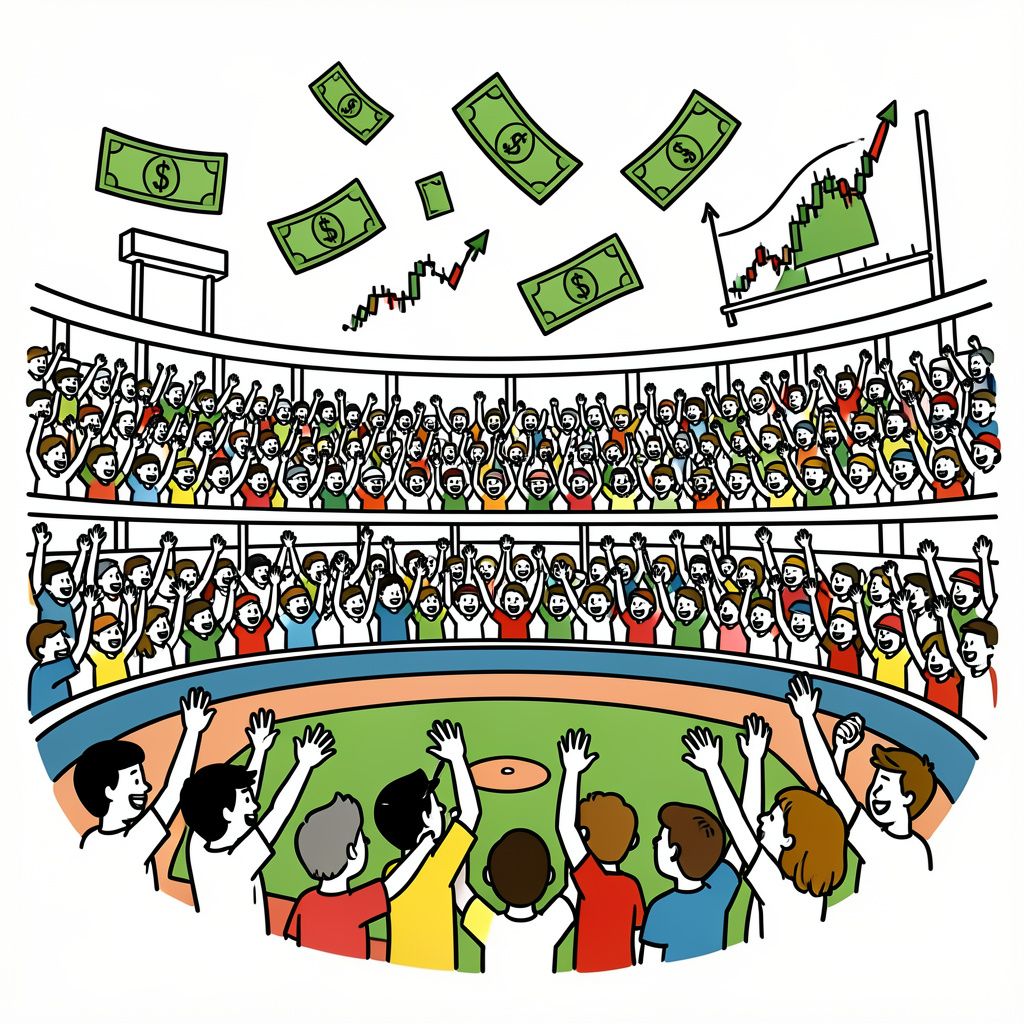
Selling out 31,000 stadium seats for road-game watch parties, the Brewers ignited a secondary ticket market surge exceeding $140, proving away games can become lucrative live-entertainment goldmines.
From Away Games to Sold-Out Stadiums
The Milwaukee Brewers have transformed a series of away games into a financial windfall, proving that road trips can drive revenue as effectively as home stands. On 26 October 2026, 31,000 fans packed American Family Field in Milwaukee to watch World Series Games 3 and 4 on the giant screens—a turnout that exceeded even the team’s home opener [2]. The official watch parties, priced at just $15 per ticket, sold out within minutes of going on sale, a stark contrast to the empty seats typically seen during road games [1]. The rapid sell-out underscores a growing trend: Major League Baseball franchises are increasingly leveraging away games as live-entertainment spectacles, creating new revenue streams from concessions, merchandise, and ticketing [2][3].
Secondary Markets Turn Watch Parties into Profit Engines
The secondary ticket market has responded with enthusiasm—and sky-high prices. Resale platforms such as StubHub reported tickets for the Brewers’ watch parties trading at more than double their face value, with some seats fetching over $300 each [1][5]. The surge in demand is particularly notable given the Brewers’ 2-0 series lead against the Tampa Bay Rays, which has amplified fan engagement and urgency [2]. For context, resale tickets for Game 4 on 27 October 2026 started at $143, while earlier listings for Game 3 ranged from $37 to over $100—demonstrating a clear willingness among fans to pay a premium for the communal experience [1][3][5].
Monetizing the Moment: Concessions and Community Impact
The financial benefits extend beyond ticket sales. A portion of the proceeds from watch party ticket sales is directed to the Brewers Community Foundation, aligning fan passion with philanthropic impact [2]. Local businesses, from breweries to restaurants, have also capitalized on the World Series momentum. In Madison, Working Draft Beer Company reported record crowds and extended operating hours, attributing the surge to Brewers fans seeking to celebrate the team’s first Fall Classic appearance in 44 years [4]. The brewery even introduced free blue and yellow Jell-O shots after Brewers home runs, a playful yet effective strategy to boost engagement and per-person spending [4].
Broader Trends in Sports Entertainment
The Brewers’ success reflects a broader shift in how sports franchises monetize away games. Unlike the centralized watch parties that became iconic during the Milwaukee Bucks’ 2021 NBA Championship run—where 80,000 fans gathered in Deer District—the Brewers’ World Series watch parties are decentralized, with events popping up across neighborhoods, from Catalano Square to Kegel’s Inn [2][4]. This dispersion not only maximizes local economic impact but also diversifies revenue streams. Analysts note that the Brewers’ ability to sell out stadiums for away games could serve as a blueprint for other MLB teams, particularly those in markets with passionate but geographically dispersed fan bases [2][GPT].
What’s Next for the Brewers and Their Fans
With Games 3 and 4 now in the books, the Brewers’ World Series fate hinges on their performance in Tampa Bay. The team’s watch parties in Milwaukee have set a new standard for fan engagement, but the financial windfall may not end there. If the Brewers advance to Games 5 or beyond—and return to American Family Field—the secondary market could see another surge in demand [1][2][5]. For now, the Brewers’ ability to monetize away games has delivered a clear message: In the modern sports economy, every game is an opportunity, whether it’s played at home or on the road.